
Best Toddler Beds & Furniture 2026: 5 Safe Picks
August 19, 2026 · ParentRankings Editors
Our Top Pick
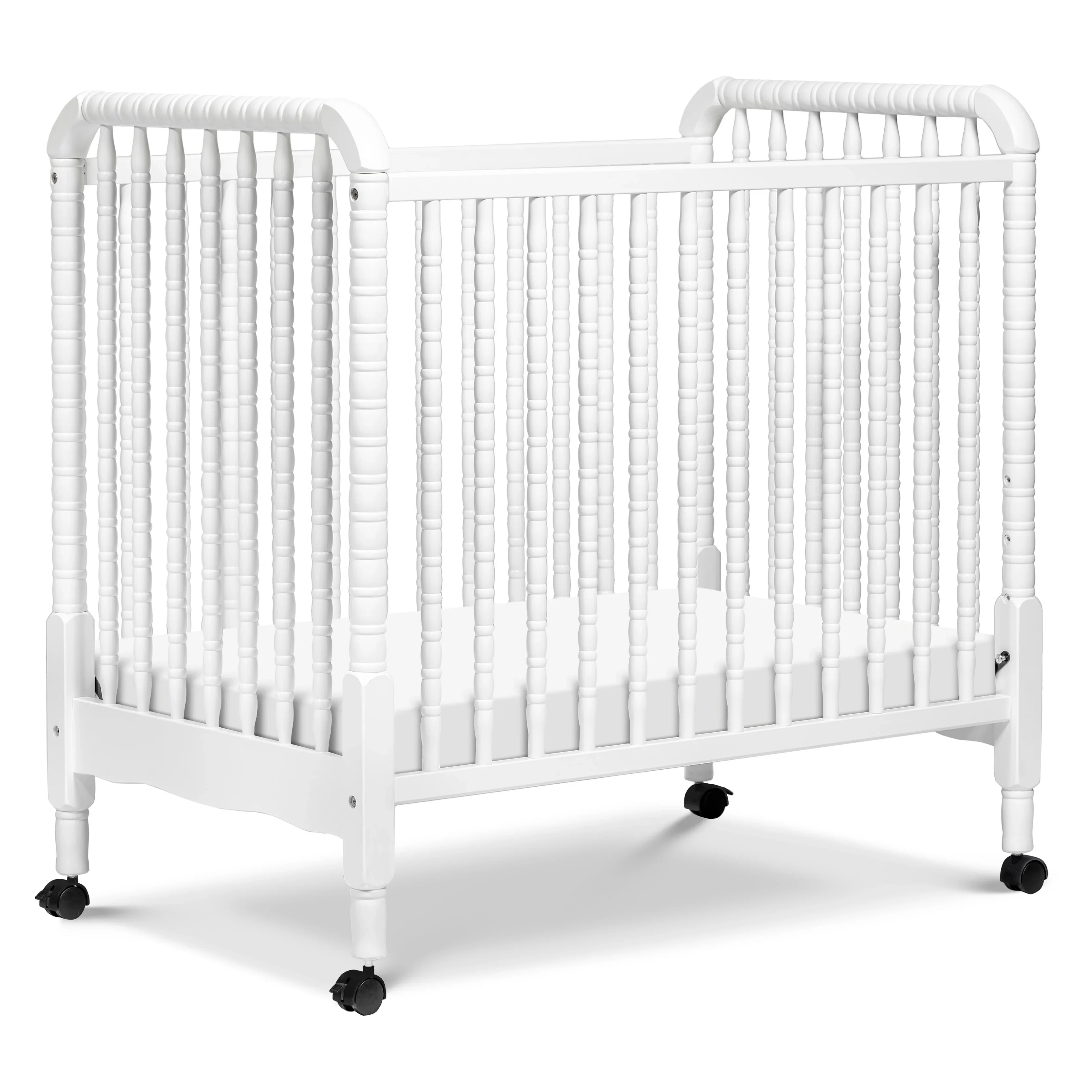
DaVinci Jenny Lind Toddler Bed
The DaVinci Jenny Lind earns the top spot by combining GREENGUARD Gold certification — the most rigorous independent safety standard in children's furniture — with solid New Zealand pine construction and standard crib mattress compatibility, all at a genuinely reasonable $100.
In mid-2025, the CPSC recalled 2,370 Homeal children's bed rails after reports that toddlers were becoming trapped between the rail and the mattress. Read that again: a product designed to keep children safe in bed became a documented entrapment hazard. It's the kind of news that makes you want to pull up every product currently in your child's room and start asking harder questions. If you're in the middle of transitioning a 1–3 year old out of the crib right now, this is exactly the moment to slow down and choose carefully.
The toddler bed market is crowded with options that look fine on a product page and fall apart under scrutiny. Some carry genuine independent safety certifications. Others carry the manufacturer's own assurances, which is a different thing entirely. Some are built from solid wood that will outlast your child's toddler years and then some. Others are engineered wood that handles normal use adequately but won't survive a second child. The price range runs from $80 to $350, and sticker price tells you almost nothing about which bed is actually worth buying.
We ranked five of the best toddler beds and furniture for 2026 across safety certifications, build quality, mattress compatibility, assembly experience, and long-term value. Here's what we found, and more importantly, here's how to think about the decision.
What to Look for in the Best Toddler Beds & Furniture
Safety certifications are the first filter, not an afterthought. Look specifically for GREENGUARD Gold, JPMA, or documented ASTM/CPSC compliance. These are independently verified standards, which matters because the alternative is taking the manufacturer's word for it. The Homeal recall is a useful illustration: guardrail gap dimensions are not a detail you can eyeball. A safety score above 9.0 in our rankings signals that a bed meets at least one rigorous third-party standard. Below that threshold, read the fine print carefully before buying.
Construction material predicts durability more reliably than price. Solid wood, whether pine or hardwood, handles the daily stress of toddler life in ways that engineered wood and MDF simply don't. We're talking about a child who will rock the frame, attempt to climb the guardrails, and yes, jump despite being told not to approximately four hundred times. Our build quality scores reflect how each frame holds up over a 2–3 year toddler window, not just how it looks in the unboxing video. If you have a second child coming or want hand-me-down potential, prioritize beds scoring 9.0 or higher in build quality.
Mattress compatibility can quietly add $100 to your total cost. Most standard toddler beds accept a standard crib mattress (28 by 52 inches), which means you may already own what you need. Extendable frames are a smart long-term investment, but some require proprietary mattress sizes in their extended configuration, which limits your options and adds expense down the road. Always confirm mattress dimensions before purchasing, especially if you're buying an extendable model.
Assembly complexity is a real variable, not a footnote. The range on this list runs from under 20 minutes with a single tool to 45–60 minutes requiring two adults. If you're assembling solo on a Tuesday night while your toddler is at your in-laws, that gap matters. Our ease-of-assembly scores are drawn from real parent feedback, not the manufacturer's optimistic estimate. Beds scoring 9.0 or above in this dimension are genuinely solo-friendly.
Cost-per-year is a more useful number than sticker price. A toddler bed serves most children for 2–4 years before they move to a twin, so a $150 solid wood bed that lasts three years and gets passed to a younger sibling is a very different value proposition than a $90 engineered wood frame that you're replacing in two. Extendable frames that grow with your child can stretch that window to age 8 or 9, which changes the math significantly even at a higher upfront price.
Who Should Buy
If safety certification is your non-negotiable starting point, our top pick is the one to buy. It carries GREENGUARD Gold certification, which is the most rigorous independent chemical-emissions standard in children's furniture, and earned the highest safety score of any bed we ranked. It also accepts a standard crib mattress, so there's a good chance you can skip that additional purchase entirely.
If you're assembling solo and need it done fast, our runner-up is built for exactly that situation. It goes together in under 20 minutes, comes with clearly illustrated instructions, and doesn't cut corners on safety to get there. Dual-side guardrails and JPMA certification are both included.
If your child has opinions about their bed (and at this age, they do), our best value pick offers the widest range of themed designs on this list in genuine solid wood construction. It costs a bit more than the engineered wood alternatives, and it's worth it. Budget an hour for assembly and, ideally, a second adult.
If you're thinking past age 4 and want the lowest long-term cost, the extendable frame in our lineup is the clear answer. Its $80 starting price is already the lowest on the list, and its per-year cost drops further the longer your child uses it. Just know that the extended configuration requires a specific mattress size, so plan accordingly.
If you're buying for two children or want a bed that becomes a keepsake, the splurge option on our list earns its price. Kiln-dried hardwood, GREENGUARD Gold certified, and built with the kind of construction quality that actually justifies the word "heirloom." At $350 it's a hard sell for a single child's 2-year window. Amortized across two kids or a decade of use, the math gets more interesting.
More Picks We Love
Our full ranking, scored by our editorial team on safety, value, ease of use, and quality.
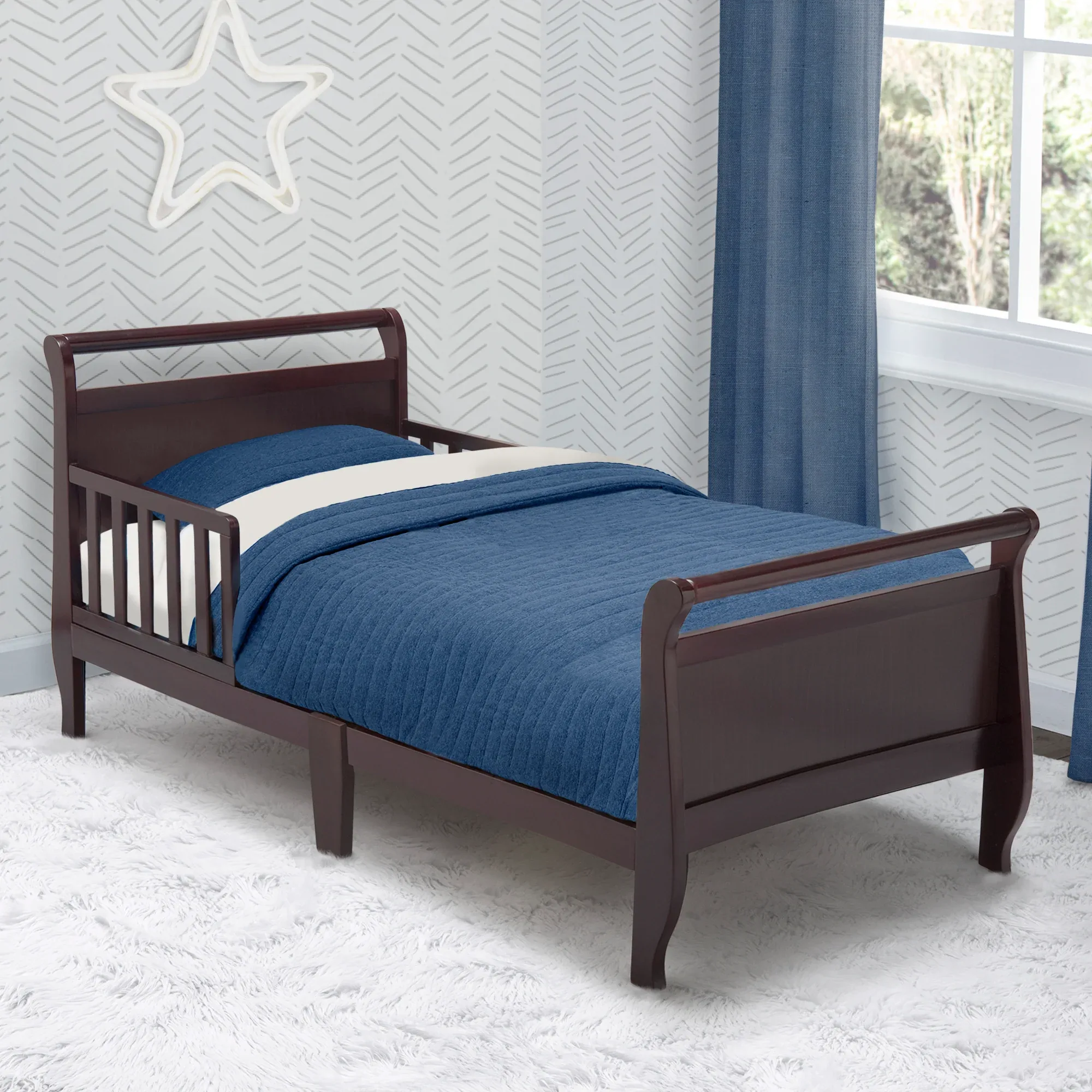
Delta Children Taylor Toddler Bed
The Delta Children Taylor is the fastest toddler bed to assemble on this list — under 20 minutes — and backs that convenience with JPMA certification, dual-side guardrails, and 10 color and theme options at under $100.
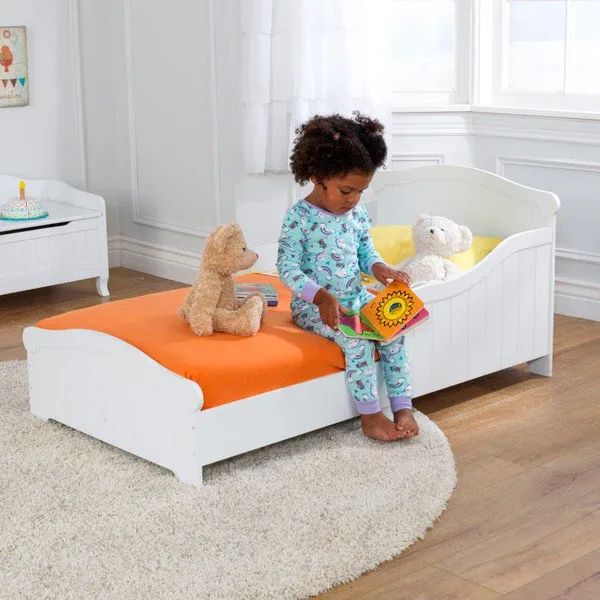
KidKraft Toddler Bed
KidKraft delivers genuine solid wood construction and the widest range of themed designs on this list at $150 — a meaningful step up in feel and durability over engineered wood alternatives without reaching Pottery Barn prices.

IKEA SUNDVIK Toddler Bed
The IKEA SUNDVIK's extendable frame stretches from toddler to child length — serving your kid through age 8 or 9 — making its $80 price tag the lowest cost-per-year of any bed on this list.
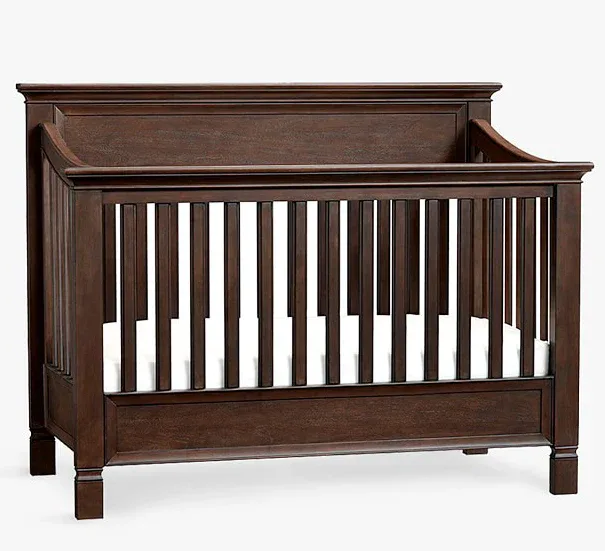
Pottery Barn Kids Larkin Toddler Bed
The Pottery Barn Kids Larkin is the most beautifully constructed toddler bed on this list — kiln-dried hardwood, GREENGUARD Gold certified, built to last decades — but at $350 it's a design and heirloom investment more than a practical toddler purchase.
Frequently Asked Questions
When should I transition my toddler from a crib to a toddler bed?▾
Most pediatricians and child development experts suggest transitioning between 18 months and 3 years, typically when your child begins climbing out of the crib — which creates a fall risk. There is no single right age; readiness depends on your child's size, mobility, and temperament. A low-profile toddler bed with guardrails on both sides eases the transition by keeping the sleep environment familiar while reducing the risk of rolling out.
Are toddler beds actually safer than just putting a child in a twin bed?▾
For children ages 1–3, toddler beds are generally safer than standard twin beds because they sit much closer to the floor — typically 6–12 inches — and include integrated guardrails sized for a toddler's body. Twin beds are taller and require add-on bed rails, which carry their own entrapment risks, as the 2025 CPSC recall of Homeal bed rails illustrated. A purpose-built toddler bed with certified guardrails is the lowest-risk option for this age group.
Can I use my existing crib mattress in a toddler bed?▾
In most cases, yes — standard toddler beds are designed to fit a standard crib mattress, which measures 28 inches by 52 inches. The DaVinci Jenny Lind and Delta Children Taylor on this list both accept standard crib mattresses directly. The exception is the IKEA SUNDVIK in its extended configuration, which requires an IKEA-specific mattress size. Always confirm dimensions before purchasing to avoid an unnecessary extra expense.
What does GREENGUARD Gold certification mean for a toddler bed?▾
GREENGUARD Gold is an independent certification issued by UL that verifies a product meets strict limits on chemical emissions — including volatile organic compounds (VOCs) — in environments where children spend significant time. It is one of the most rigorous third-party standards applied to children's furniture. Both the DaVinci Jenny Lind and Pottery Barn Kids Larkin on this list carry GREENGUARD Gold certification, meaning their finishes and materials have been independently tested, not just self-reported by the manufacturer.
How long will a toddler bed last before my child needs to move to a twin?▾
Most standard toddler beds accommodate children up to 50 pounds, which typically means 2–4 years of use depending on your child's growth rate. Extendable models like the IKEA SUNDVIK can serve children through age 8 or 9 by lengthening the frame as the child grows. If you want to maximize the lifespan of your investment, an extendable frame or a high-quality solid wood bed that can be passed to a younger sibling offers the best long-term value.
Ready to compare all options?
See every toddler beds ranked by our editors — scored on safety, value, ease of use, and quality.
See all 5 Best Toddler Beds & Furniture ranked →