
How to Check Your Smoke and CO Alarms After the October CPSC Warnings
November 4, 2026 · ParentRankings Editors
Our Top Pick
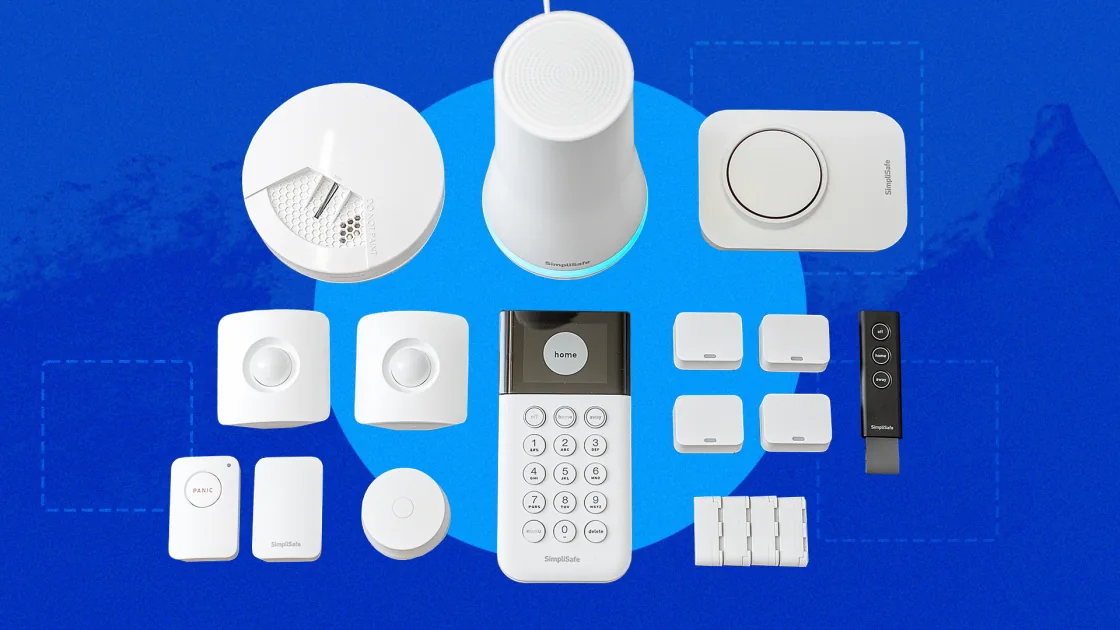
SimpliSafe
One no-contract system that can add fire, CO, water leak, and freeze sensors on top of your standalone alarms.
On October 29, 2026, the U.S. Consumer Product Safety Commission (CPSC) told families to stop using two models of combination smoke and carbon monoxide (CO) alarms sold on Amazon and eBay. CPSC says both models can fail to sound when smoke or fire is present. These are warnings, not recalls. The sellers did not respond to CPSC's request to recall the alarms, so there is no refund or replacement program to wait for.
The timing lines up with a habit many families already have. Clocks fell back on Sunday, November 1, and fire departments have long used the time change as the reminder to test alarms and swap batteries. This guide walks you through that check with the two warnings in mind: how to find the model number, what to do if you own one, and how to replace it without leaving a gap.
This guide is by the ParentRankings Editorial Team. Ranked by parents. For parents. We may be paid by companies we feature. This may influence rankings.
Why this is a how-to, not another Top 5
Our home security category page already has the shortlist of family security systems. This post covers one safety check every household can do this week. The systems near the end are there because some of them can monitor smoke and CO sensors for you. They are not a new ranking.
The two alarms CPSC named
Warning 27-052: model JZA-540COM
- Brand names: JuzhiAnn, Yfwsrecinoe, and JAEHSKA
- Look: white plastic combination smoke and CO alarm with a digital display, sold alone or in multipacks
- Sold: Amazon.com and eBay.com, November 2023 through October 2026, for $11 to $107
- Units: about 51,825
- Reports: seven reports of the alarms failing to alert in the presence of smoke or fire
- Seller: Shenzhen Laijinhe Trading Co., Ltd., doing business as Yfwsrecinoe US. Made in China.
Warning 27-057: model YHW-542COM-R
- Brand names: GuardianSense and KLTseanife
- Look: white plastic combination smoke and CO alarm with a digital display, sold alone or in multipacks
- Sold: Amazon.com and eBay.com, September 2025 through June 2026, for $18 to $168
- Units: CPSC did not give a number
- Reports: two reports of the alarms failing to alert in the presence of smoke or fire
- Maker and seller: ShenZhen YuFangWeiShi Technology Co., Ltd. made them, and Shenzhen Lixiang Xiancai Co., Ltd. sold them. Made in China.
No injuries were listed in either warning. CPSC still calls the risk serious injury or death, because an alarm that stays quiet during a fire takes away the warning your family depends on to get out.
Step 1: Take each alarm down and read the back
A brand name on the front is not enough to go on. Many online alarms look alike.
- Twist each alarm off its mounting plate. Most turn counterclockwise.
- Read the label on the back. CPSC says the model number and manufacturer are printed there.
- Look for JZA-540COM or YHW-542COM-R.
- Take a photo of each label, even the ones that do not match. You will want a record of what is installed where.
Do this for every alarm in the house, including the basement, the hallway outside the kids' rooms, and any you put up in a guest room or garage.
If a label is worn off, check your Amazon and eBay order history for the brand names above. If you still cannot tell, treat the alarm as suspect and replace it.
Step 2: If you have one, replace it today
CPSC's instruction is to stop using the alarm immediately, dispose of it, and install working smoke and CO alarms. Do not sell it or give it away.
Here is the part that is easy to miss. These are combination units. When you take one down, you lose its smoke detection and its CO detection at the same time. Plan to replace both functions the same day, either with new combination alarms or with a separate smoke alarm and CO alarm.
If you cannot get to a store until tomorrow, move a working alarm from a less critical spot, like a garage, to the hallway outside the bedrooms for the night.
Before you throw the old unit out, take the battery out. Then follow your local rules for disposing of electronics and batteries.
Step 3: Report a failure if you had one
If one of these alarms ever stayed quiet when it should have sounded, report it at SaferProducts.gov. Reports help CPSC spot patterns and decide on further action.
Step 4: Test every alarm, not just the suspect ones
The time change is a good reminder for the whole house. For every alarm you keep:
- Press the test button and hold it until the alarm sounds. A weak or silent alarm needs a new battery or a new unit.
- Check the date on the back. Smoke alarms are generally replaced 10 years after the manufacture date. CO alarms have their own end-of-life date from the maker, often printed on the label, and many chirp or show an end-of-life signal when they are done.
- Swap batteries in alarms that use replaceable ones. Sealed 10-year alarms do not need this, but they still need testing.
- Vacuum the vents gently. Dust can slow an alarm down.
Then test once a month. Put a recurring reminder on the family calendar so it does not depend on remembering.
Step 5: Make sure you have alarms in the right places
CPSC's guidance in both warnings is to have smoke alarms and CO alarms on every level of the home and outside each separate sleeping area. They should run on batteries or have a battery backup, so they keep working in a power outage.
A few family-specific checks:
- Kids' rooms. Many fire safety groups also recommend a smoke alarm inside each bedroom. If your kids sleep with the door closed, an alarm in the hallway may be hard for them to hear.
- Can your kids hear it? Some children sleep through an alarm. Run a test at bedtime and see who wakes up. If someone does not, practice what to do and make sure an adult will reach them.
- Fuel-burning appliances. If you have a gas furnace, gas stove, fireplace, or attached garage, CO alarms matter even more.
- Practice the plan. Pick two ways out of each room and a meeting spot outside. Walk the kids through it once this month.
Step 6: Know the signs of CO
CO has no color or smell. Symptoms can include headache, dizziness, weakness, nausea, vomiting, sleepiness, and confusion. If an alarm sounds, or several people at home feel sick at once, get everyone outside to fresh air and call 911 from there.
What to look for in a replacement alarm
UL 217 and UL 2034 on the package. CPSC says to buy only smoke alarms that meet UL 217 and CO alarms that meet UL 2034. Look for both on the listing and on the box before you buy.
A seller you can reach. Both warnings involve sellers who did not answer CPSC. Buy from a brand with a real website, a support line, and a way to register the product.
Power that fits the room. Sealed 10-year batteries save you from yearly swaps. Hardwired alarms with battery backup are common in newer homes. Match what your home already has.
Interconnection if you can. Interconnected alarms all sound when one detects smoke, so an alarm in the basement wakes a child upstairs. Some connect by wire and others wirelessly.
A clear end-of-life date. Write the install date on the back with a marker so the next check is easy.
Where a monitored system fits
Standalone alarms are the base layer. A monitored security system can add a second layer by sending fire and CO alerts to your phone and, on some plans, to a monitoring center, which helps when no one is home or the kids are home alone after school. It does not replace a UL-listed alarm outside every sleeping area.
Here is how the systems on our home security shortlist handle that, based on our category data.
You want one system that covers fire, CO, and water. SimpliSafe is our Best Overall pick at about $15 to $25 a month for monitoring, with a 9.3 score. It offers fire, CO, water leak, and freeze sensors, and there is no contract.
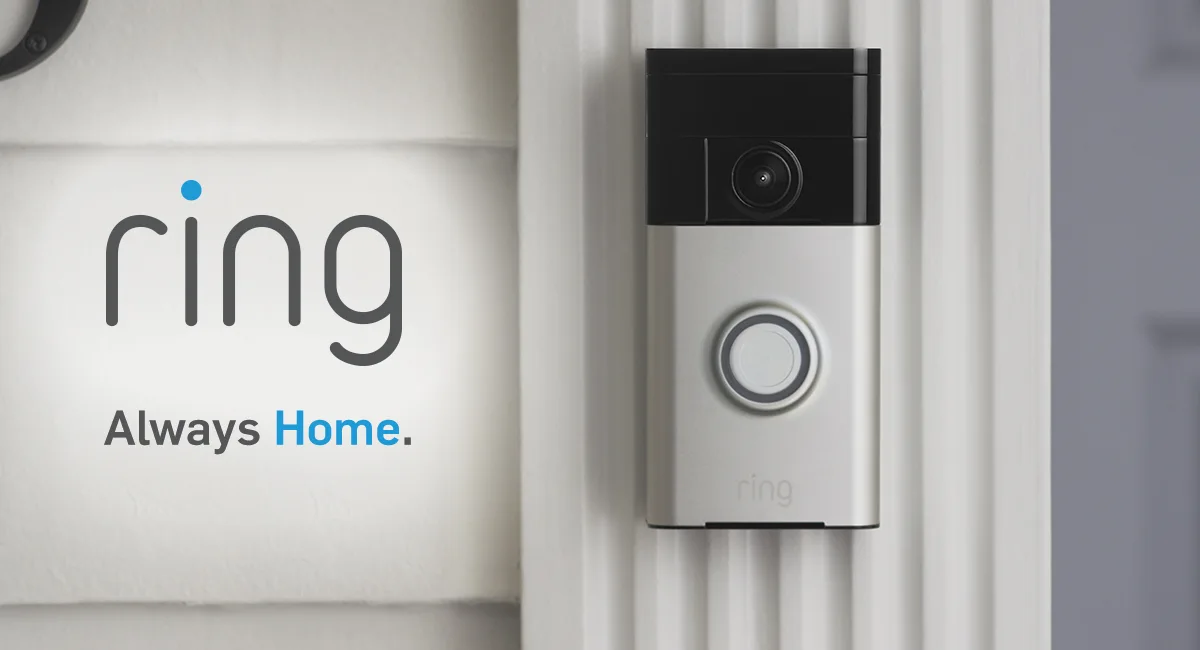
You want the lowest monthly cost. Ring Alarm runs about $10 to $20 a month for monitoring, with a 9.0 score. Its video doorbell lets you see and talk to kids at the door. Video history needs a separate subscription.
You want professional installation. ADT is about $29 to $59 a month, with an 8.7 score. Fire, CO, and flood sensors are available with professional installation. It requires a multi-year contract.
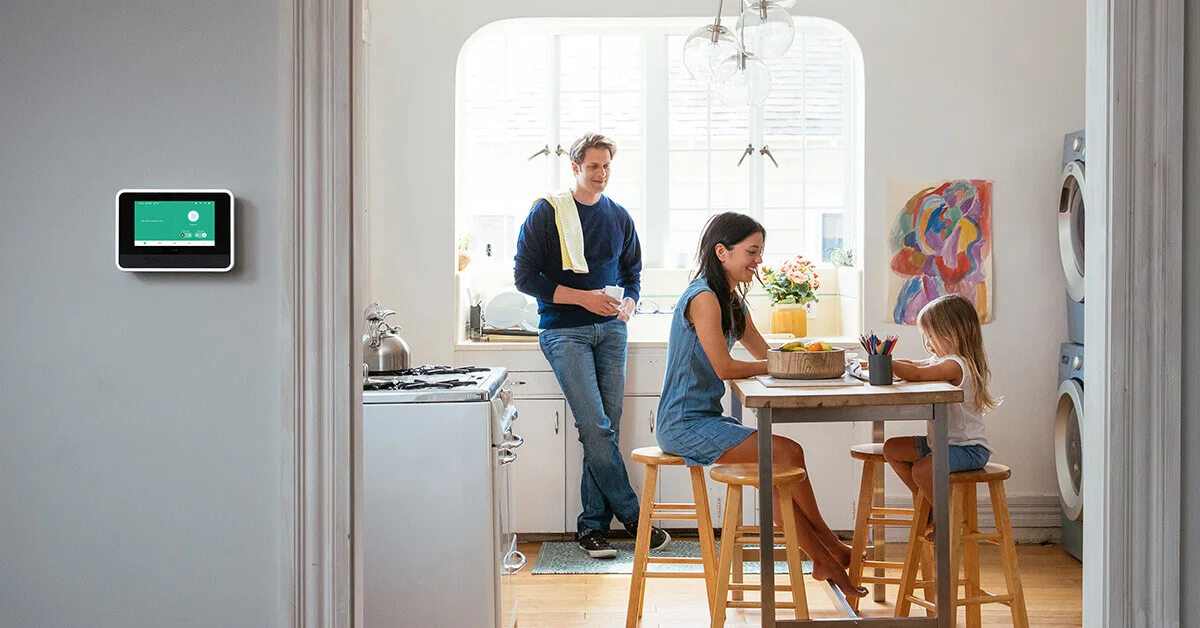
You want everything in one app. Vivint is about $30 to $50 a month, with an 8.5 score. One app controls security, smart locks, lights, and the thermostat. It is installed by a pro and is the most expensive option on the list.
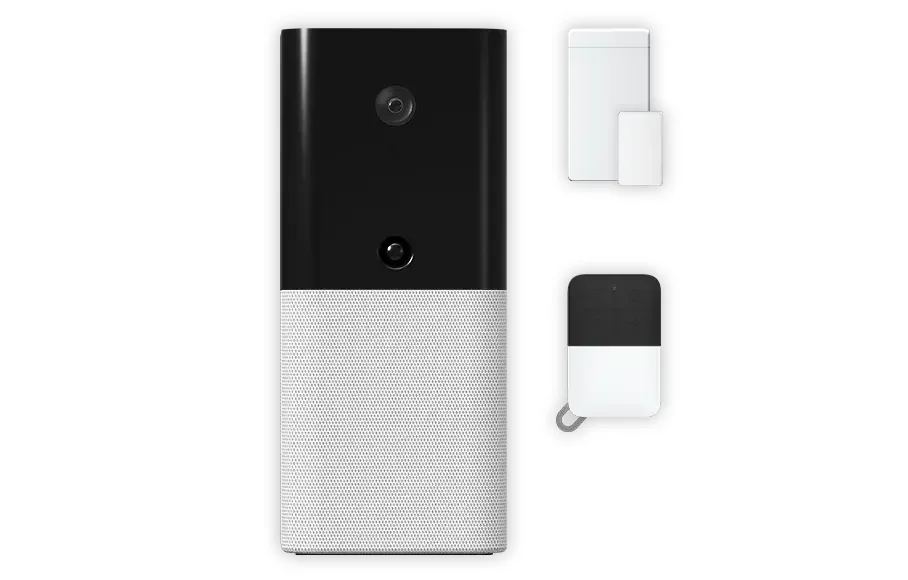
You only want monitoring some of the time. Abode costs about $8 to $20 a month, with an 8.2 score. You can turn professional monitoring on for trips and off when you are home. Its monitoring network is smaller than ADT's or SimpliSafe's.
Who should do what this week
- Every family: take each alarm down, read the model number, and test it.
- Anyone who bought a combination alarm on Amazon or eBay since late 2023: look closely for JZA-540COM or YHW-542COM-R.
- Families with a gas appliance or attached garage: confirm a working CO alarm on every level.
- Parents whose kids are often home alone: consider monitored fire and CO alerts on top of your alarms.
When you are ready to compare family security systems side by side, See all 5 Best Home Security Systems ranked →.
More Picks We Love
Our full ranking, scored by our editorial team on safety, value, ease of use, and quality.
Ring Alarm
The lowest-cost professional monitoring on our list, with a doorbell camera for kids arriving home.
ADT
Professionally installed fire, CO, and flood sensors for families who want someone else to set it up.
Vivint
One app for security, locks, lights, and thermostat, installed by a pro.
Abode
Turn professional monitoring on for trips and off when you are home.
Frequently Asked Questions
Which smoke and CO alarms did CPSC warn about?▾
Combination alarms model JZA-540COM sold as JuzhiAnn, Yfwsrecinoe, or JAEHSKA (Warning 27-052), and model YHW-542COM-R sold as GuardianSense or KLTseanife (Warning 27-057). Both were sold on Amazon and eBay. The model number is on the back of the alarm.
What is wrong with them?▾
CPSC says both models can fail to alarm in the presence of hazardous smoke and fire. It received seven failure reports for JZA-540COM and two for YHW-542COM-R.
Can I get a refund?▾
No program exists. These are CPSC warnings, not recalls, because the sellers did not respond to CPSC's request to recall them. Stop using the alarm, dispose of it, and buy a replacement.
Do I need to replace the CO part too?▾
Yes. These are combination units, so taking one down removes smoke and CO detection at once. Replace both functions the same day.
Where should smoke and CO alarms go?▾
CPSC says on every level of the home and outside each separate sleeping area, using battery-powered units or units with battery backup. Many fire safety groups also recommend a smoke alarm inside each bedroom.
How often should I test my alarms?▾
Test every alarm once a month with the test button, and check the date on the back. Smoke alarms are generally replaced 10 years after manufacture, and CO alarms follow the maker's end-of-life date.
Ready to compare all options?
See every home security families ranked by our editors — scored on safety, value, ease of use, and quality.
See all 5 Best Home Security Systems ranked →