
Best At-Home Fertility Tests
A ranked comparison of the top at-home female fertility tests and monitors, evaluated on accuracy, hormone comprehensiveness, ease of use, and value.
Filter Results
Filter Results
Showing 5 of 5 results
- 1
9.3
Best Overall$199 for the monitor + wand subscriptionBest Overall
Best Overall
$199 for the monitor + wand subscription
- Measures actual hormone concentrations (LH, E3G, PdG, FSH) — not just positive/negative
- Tracks trends over multiple cycles for a nuanced fertility picture
Quantitative hormone tracking with lab-grade accuracy from your bathroom counter
Mira stands apart from the crowd by providing actual numeric hormone readings rather than simple positive/negative results. The ability to track LH, estrogen, progesterone, and FSH simultaneously over multiple cycles gives users — and their doctors — a genuinely clinical-grade data set at home. It is the most information-rich at-home fertility monitor on the market.
Read the full Mira Fertility Monitor review →Pros
- Measures actual hormone concentrations (LH, E3G, PdG, FSH) — not just positive/negative
- Tracks trends over multiple cycles for a nuanced fertility picture
- FDA-cleared device with clinical validation studies
Cons
- Ongoing cost of wand subscriptions adds up over time
- Learning curve to interpret quantitative hormone data
Score Breakdown
Accuracy9.5Comprehensiveness9.2Ease Of Use8.8Value8.7 - 2
9.0
$179 for the at-home hormone testRunner-Up
Runner-Up
$179 for the at-home hormone test
- Tests up to 10 hormones including AMH, FSH, LH, estradiol, and thyroid markers
- Results include a personalized report with physician-reviewed insights
Comprehensive hormone panel with personalized results and physician review
Modern Fertility (now part of Ro) offers one of the most comprehensive single-panel hormone tests available without a clinic visit, measuring up to 10 fertility-relevant hormones from a finger-prick blood sample. The personalized, physician-reviewed results report makes the data genuinely actionable. It is the best choice for women who want a broad hormonal baseline before seeing a specialist.
Read the full Modern Fertility Hormone Test review →Pros
- Tests up to 10 hormones including AMH, FSH, LH, estradiol, and thyroid markers
- Results include a personalized report with physician-reviewed insights
- Simple finger-prick blood collection with prepaid return shipping
Cons
- One-time snapshot — does not track hormones continuously across cycles
- Results take 5-7 days, which feels slow compared to urine-based monitors
Score Breakdown
Accuracy8.9Comprehensiveness9.3Ease Of Use9.2Value8.8 - 3
8.6
$149 per testBest Value
Best Value
$149 per test
- CLIA-certified lab processes all samples for reliable results
- Simple collection process with clear step-by-step instructions
Trusted at-home lab testing brand with a solid fertility hormone panel
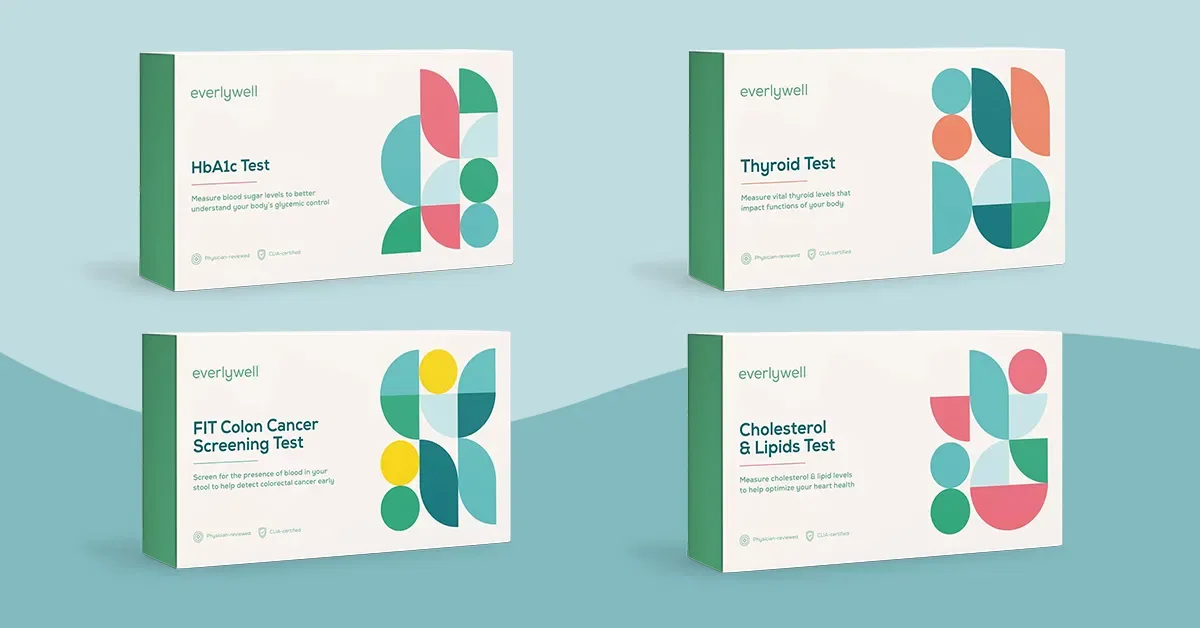
Everlywell is one of the most recognizable at-home lab brands and their Female Fertility Test is a reliable entry point for hormone screening. CLIA-certified lab processing ensures the results are clinically valid, and the user experience is one of the smoothest in this category. Women looking for a straightforward, trusted brand at a fair price will find it a solid starting point.
Read the full Everlywell Female Fertility Test review →Pros
- CLIA-certified lab processes all samples for reliable results
- Simple collection process with clear step-by-step instructions
- Results available online within days, with physician follow-up option
Cons
- Tests fewer hormones than Modern Fertility — AMH not included in base panel
- Report less detailed than competitors at a similar price point
Score Breakdown
Accuracy8.7Comprehensiveness8.4Ease Of Use9.1Value9.0 - 4
8.3
$139 per testNurse-led results review sets this at-home test apart from the competition
Nurse-led results review sets this at-home test apart from the competition
$139 per test
- Free nurse consultation included with every result set
- Tests FSH, LH, prolactin, and estradiol from a single finger-prick sample
Nurse-led results review sets this at-home test apart from the competition
LetsGetChecked differentiates itself by including a free nurse consultation with every test — a meaningful benefit for women who find raw hormone numbers hard to interpret. The core panel covers the most commonly ordered fertility hormones, though the absence of AMH is a notable gap. For women who value human guidance alongside their results, LetsGetChecked offers real added value.
Read the full LetsGetChecked Female Hormone Test review →Pros
- Free nurse consultation included with every result set
- Tests FSH, LH, prolactin, and estradiol from a single finger-prick sample
- Discreet packaging and fast turnaround (2-5 business days)
Cons
- Does not include AMH, a key ovarian reserve marker
- Fewer hormone markers than top-ranked competitors
Score Breakdown
Accuracy8.5Comprehensiveness8.2Ease Of Use8.8Value8.6 - 5
7.8
$129 per panelBroad STI and hormone testing catalog with convenient at-home collection
Broad STI and hormone testing catalog with convenient at-home collection
$129 per panel
- Affordable entry-level fertility panel from an established at-home testing brand
- Tests FSH and estradiol with CLIA-certified lab processing
Broad STI and hormone testing catalog with convenient at-home collection
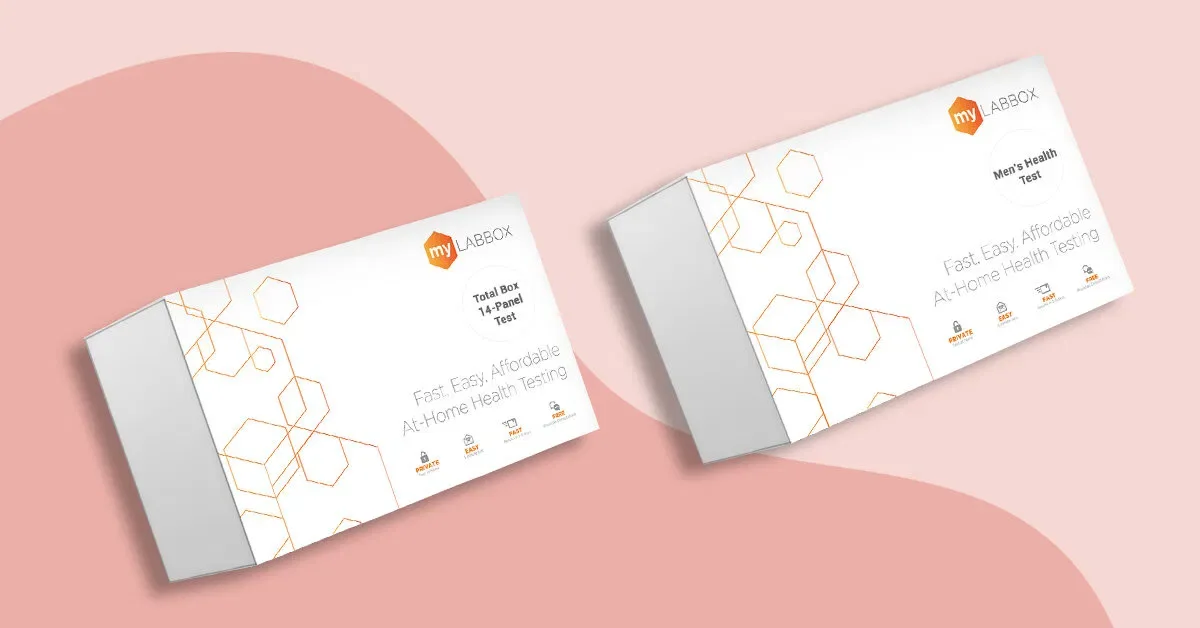
myLAB Box is best known for its expansive STI testing menu but offers a functional entry-level fertility panel for women who want basic FSH and estradiol screening at home. The CLIA-certified lab and clean results portal keep it credible, but the narrow hormone scope means women with serious fertility questions will want to upgrade to a more comprehensive option.
Read the full myLAB Box Female Fertility Panel review →Pros
- Affordable entry-level fertility panel from an established at-home testing brand
- Tests FSH and estradiol with CLIA-certified lab processing
- Easy online results portal with downloadable reports for doctor sharing
Cons
- Limited panel — covers fewer hormones than all higher-ranked competitors
- Customer support response times can be slower than competitors
Score Breakdown
Accuracy8.1Comprehensiveness7.6Ease Of Use8.5Value8.3



Fertility Testing Buying Guide
Why start with at-home fertility testing?
At-home fertility tests put real laboratory data — hormone levels, ovulation patterns, cycle insights — within reach without waiting for a specialist appointment. Used well, they help you time conception attempts, spot patterns worth discussing, and arrive at a doctor’s visit with months of useful data. Used poorly, they become an anxiety subscription. The honest frame: these tests inform, but they don’t diagnose — fertility evaluation is a medical process these products can start, not replace.
What to look for
What’s actually measured
Products range from ovulation tracking (LH, estrogen) to multi-hormone panels (AMH, FSH, thyroid markers). Tracking helps timing; hormone panels offer snapshots worth discussing with a provider. Match the product to the question you’re actually asking.
Lab quality behind the kit
Mail-in tests should be processed in CLIA-certified labs with clinician review — the ranked services meet this bar. It’s the difference between a medical-grade data point and a gadget reading.
Interpretation support
Numbers without context breed 2am googling. Favor services that include clinician or counselor review of results and plain-language explanations of what a level does and doesn’t mean.
The 12-month / 6-month line
Standard medical guidance: see a doctor after 12 months of trying without success — after 6 months if 35 or older, and promptly if cycles are irregular or history suggests issues. No home test result should delay that visit; an abnormal one should accelerate it.
Data privacy
Fertility data is intimate. Read what’s stored, shared, and sold before spitting in a tube — and prefer services with clear deletion policies.
Cost against the alternative
Panels run $129–$199 on our list. Note that a doctor-ordered workup may be insurance-covered — if you already meet the see-a-doctor criteria, skipping straight to the real evaluation can be both better and cheaper.
Our shortlist of 5
Frequently Asked Questions
Are at-home fertility tests accurate?
The reputable ones use the same CLIA-certified laboratory infrastructure as clinical testing, so the numbers themselves are reliable. The limits are what a single number can say: hormone levels like AMH describe ovarian reserve, not your ability to conceive this year, and normal results don’t rule out common issues that only a clinical workup catches. Treat results as conversation material for a provider, not verdicts.
When should we stop testing at home and see a doctor?
The standard guidance: after 12 months of well-timed trying without conception — 6 months if you’re 35 or older — or sooner for irregular cycles, known conditions, or any concerning home result. A fertility evaluation covers both partners (male-factor issues are roughly as common) — something home female-hormone panels can’t see. Bring your tracking data; it genuinely helps the workup.
Do these tests tell me if I can get pregnant?
No test — home or clinical — can promise that. What home tests do well: confirm you’re ovulating, map your fertile window for timing, and flag hormone values worth investigating. What they can’t do: assess egg quality, tubal status, or male factors, which together account for a large share of fertility challenges. Useful data, honest limits.
Our Ranking Methodology
At-home fertility tests were evaluated on laboratory accuracy and certification, the comprehensiveness of hormones and markers measured, ease of collection and use, and value including interpretation support.
Learn more about how we test and score →