
Best Baby Carriers
Baby wearing promotes bonding, supports infant development, and keeps your hands free for daily life. We evaluated structured carriers, soft-structured carriers, and wraps on ergonomics, safety, parent comfort, and ease of use from the newborn stage onward.
Filter Results
Filter Results
Showing 5 of 5 results
- 1
9.3
Best Overall$180Best Overall
Best Overall
$180at direct
- Newborn-ready from 7 lb with no separate insert — adjustable seat simply narrows for smaller babies
- Supports all four carry positions: front-inward, front-outward, hip, and back carry
Newborn-ready, four-position versatility with no insert required
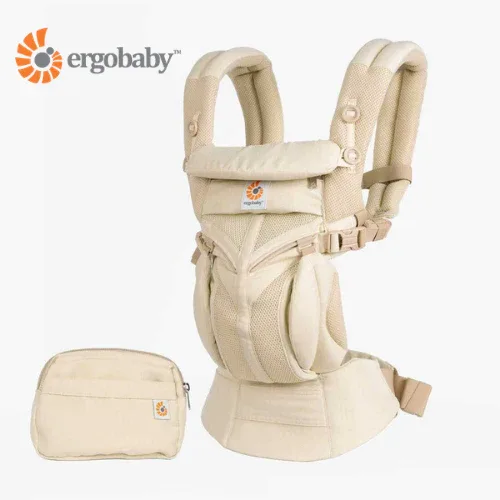
The Ergobaby Omni 360 is the most versatile structured carrier we tested, covering all four carry positions from newborn weight without any additional accessories. The ergonomic M-position seat keeps baby's hips in the developmentally recommended posture, and the padded waistbelt makes extended wears comfortable for parents of all body types. It is the right choice for families who want one carrier to handle every stage.
Read the full Omni 360 All-Position Baby Carrier review →Pros
- Newborn-ready from 7 lb with no separate insert — adjustable seat simply narrows for smaller babies
- Supports all four carry positions: front-inward, front-outward, hip, and back carry
- Lumbar support waistbelt and padded shoulder straps distribute weight well for multi-hour wears
Cons
- At $180 it is the priciest structured carrier on this list
- Back carry position has a learning curve and ideally requires a spotter the first few times
Score Breakdown
Ergonomics9.5Safety9.4Parent Comfort9.2Ease Of Use9.0Value8.8 - 2
8.9
$80Runner-Up
Runner-Up
$80at direct
- Ultra-soft TENCEL modal blend is breathable, lightweight, and gentle against newborn skin
- Seamless design contours to both parent and baby without pressure points or buckle bulk
Featherlight TENCEL modal wrap that feels like a second skin
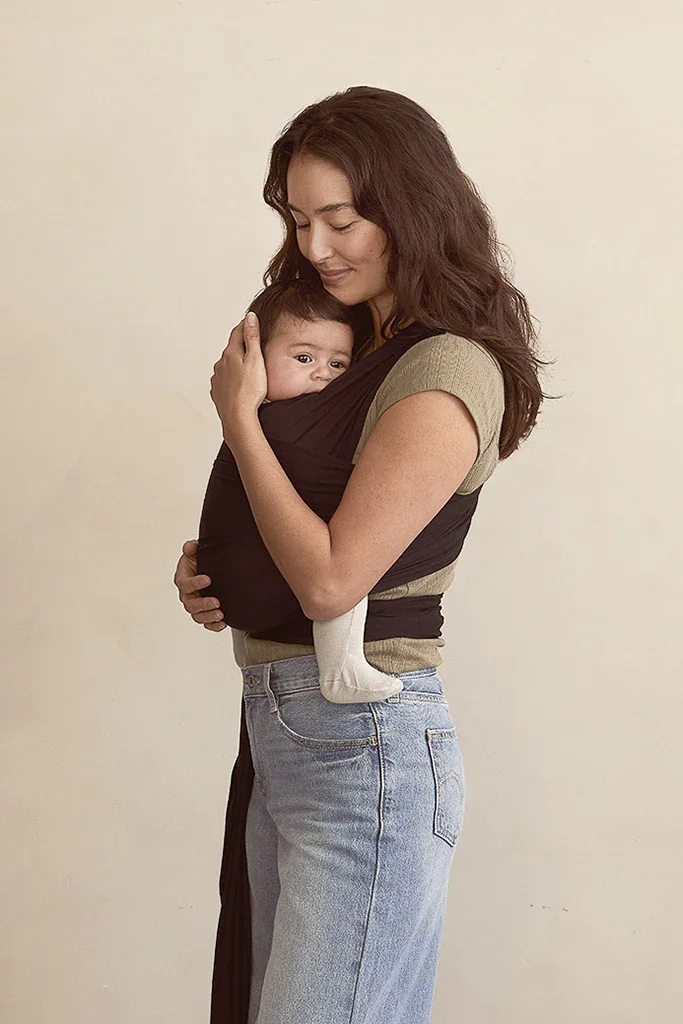
The Solly Baby Wrap is the gold standard for newborn babywearing — its TENCEL modal fabric is exceptionally soft and breathable, and the snug cocoon-style carry is ideal for the fourth trimester. The learning curve of wrapping is real, but Solly provides clear video tutorials and most parents feel confident within a week. At $80 it is a remarkable value for a carrier this comfortable.
Read the full Baby Wrap Carrier review →Pros
- Ultra-soft TENCEL modal blend is breathable, lightweight, and gentle against newborn skin
- Seamless design contours to both parent and baby without pressure points or buckle bulk
- At $80 it is the most affordable pick on this list and an outstanding value
Cons
- Wrap style requires learning and practice — the tying technique intimidates many first-time users
- Woven fabric offers less structural support than a buckle carrier for babies over 15 lb
Score Breakdown
Ergonomics9.1Safety9.0Parent Comfort9.3Ease Of Use7.8Value9.5 - 3
8.7
$130Best Value
Best Value
$130at direct
- Six carry positions including a rare 360-degree outward-facing option with full lumbar support
- Zippered front panel ventilates to a breathable mesh panel, preventing overheating in warm weather
Six carry positions and a ventilation panel for year-round comfort
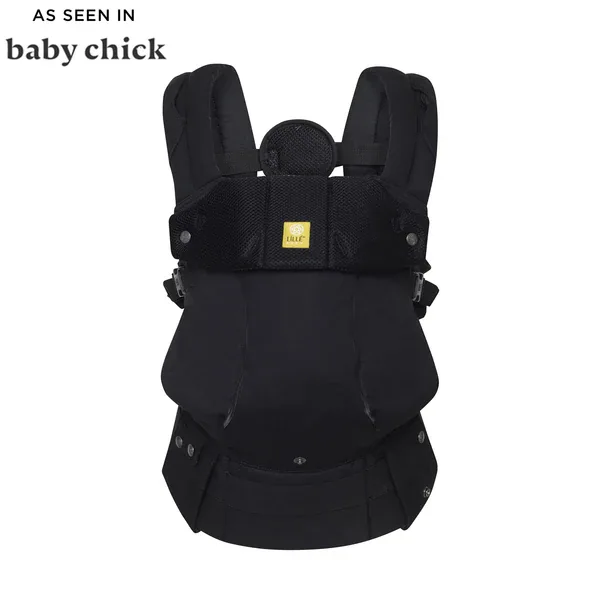
The LILLEbaby Complete All Seasons delivers exceptional versatility at a mid-range price — six carry positions, a removable ventilation panel, and a 7–45 lb range make it a genuine all-seasons, all-stages solution. The outward-facing carry with full lumbar support is a standout feature missing from many competitors. Families who want Ergobaby-level versatility without the Ergobaby price will find this their best bet.
Read the full Complete All Seasons review →Pros
- Six carry positions including a rare 360-degree outward-facing option with full lumbar support
- Zippered front panel ventilates to a breathable mesh panel, preventing overheating in warm weather
- Extended carry range from 7 to 45 lb handles newborn through preschool age
Cons
- More buckles and adjustment points than simpler carriers can feel fiddly during quick adjustments
- Torso extension buckle at the top is easy to forget, affecting head support for newborns
Score Breakdown
Ergonomics9.0Safety9.0Parent Comfort8.8Ease Of Use8.6Value9.2 - 4
8.4
$120Hybrid structured carrier with a soft, wrap-like feel
Hybrid structured carrier with a soft, wrap-like feel
$120at direct
- Soft structured design bridges the gap between rigid buckle carriers and stretchy wraps
- Foldable seat panel adjusts for newborn, infant, and toddler sizing without an insert
Hybrid structured carrier with a soft, wrap-like feel
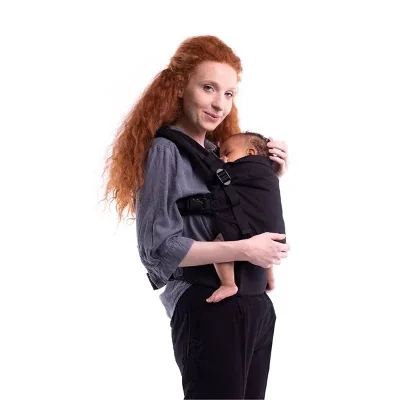
The Boba X occupies a comfortable niche between structured carriers and soft wraps — it has the ease of buckles with the gentle feel of woven fabric against baby's skin. The adjustable panel eliminates the need for a newborn insert, and thoughtful details like foot stirrups show Boba's deep babywearing expertise. It is a great fit for parents who found traditional structured carriers too rigid.
Read the full Boba X Adjustable Baby Carrier review →Pros
- Soft structured design bridges the gap between rigid buckle carriers and stretchy wraps
- Foldable seat panel adjusts for newborn, infant, and toddler sizing without an insert
- Integrated foot stirrups for toddler carry are a practical detail most competitors omit
Cons
- Waistbelt padding is thinner than Ergobaby or LILLEbaby, limiting comfort on very long carries
- Back carry not recommended until baby has strong head control, limiting early versatility
Score Breakdown
Ergonomics8.8Safety8.9Parent Comfort8.5Ease Of Use8.7Value8.9 - 5
8.6
$160Ergonomic buckle carrier designed specifically for newborns
Ergonomic buckle carrier designed specifically for newborns
$160at direct
- Designed from day one for newborns — the panel and seat narrow to fit babies from 7 lb without an insert
- Wide, padded shoulder straps with multiple adjustment points fit petite and larger-framed parents equally well
Ergonomic buckle carrier designed specifically for newborns
The Tula Free-to-Grow is purpose-built for the newborn stage, eliminating the insert requirement that frustrates many new parents. Its ergonomic seat panel adjusts smoothly as baby grows, and Tula's reputation for fabric quality and durability is well deserved. The two-position limitation is a trade-off, but for parents who primarily want a reliable front-carry from birth, the Free-to-Grow is a top performer.
Read the full Free-to-Grow Baby Carrier review →Pros
- Designed from day one for newborns — the panel and seat narrow to fit babies from 7 lb without an insert
- Wide, padded shoulder straps with multiple adjustment points fit petite and larger-framed parents equally well
- Tula's build quality and fabric selection are among the best in the structured carrier category
Cons
- Only supports front-inward and back carry positions — no outward-facing or hip carry
- At $160 it is on the pricier end for a carrier limited to two positions
Score Breakdown
Ergonomics9.2Safety9.1Parent Comfort8.7Ease Of Use8.4Value8.5

Carriers & Wraps Buying Guide
Why use a baby carrier?
A carrier gives you back your hands and gives your baby the place they most want to be — on you. Newborns settle faster and often nap longer against a parent’s chest, and you can make dinner, walk the dog, or wrangle an older sibling while it happens. Where strollers fail — stairs, crowds, trailheads, tiny shops — a carrier just works. Most families end up using one daily for the first year and beyond.
What to look for
Hip-healthy positioning
Look for carriers acknowledged as "hip-healthy" by the International Hip Dysplasia Institute: your baby’s legs should sit in an M-shape, knees above bottom, with the fabric supporting thigh to thigh.
Airway safety by design
Your baby should be high enough to kiss, face visible, chin off chest. A good carrier makes that position easy to achieve and hold; a bad one fights you.
Newborn-ready or insert required
Some structured carriers fit newborns out of the box; others need a separate infant insert or a minimum weight. Check the starting weight against your actual plans.
Structured carrier vs. wrap
Buckle carriers are fast, adjustable between parents, and dad-friendly; wraps are softer, lighter, and superb for the newborn months but have a learning curve. Many families use a wrap early and a buckle carrier after.
Comfort for the wearer
Padded, supportive waistbands and crossable straps matter more every pound your baby gains. If two adults will share one carrier, check how easily it adjusts between them.
Heat and washability
Babywearing is warm work. Mesh panels or breathable fabrics earn their keep in summer, and everything you buy should survive a washing machine.
Our shortlist of 5
- #1 Omni 360 All-Position Baby Carrier — Best Overall
- #2 Baby Wrap Carrier — Runner-Up
- #3 Complete All Seasons — Best Value
- #4 Boba X Adjustable Baby Carrier
- #5 Free-to-Grow Baby Carrier
Frequently Asked Questions
Can I use a carrier with a newborn?
Yes — newborns are often the age carriers help most — but check your model’s minimum weight and whether it needs an infant insert. Keep the safety basics in view at all times: baby high enough to kiss, face uncovered, chin off chest, airway clear.
Is babywearing safe for my baby’s hips?
In a properly positioned carrier, yes. The International Hip Dysplasia Institute recommends carriers that hold the legs in a spread-squat "M" position with support to the knee rather than letting legs dangle straight down — check a carrier’s hip-healthy acknowledgment before buying.
How long can I wear my baby at a stretch?
As long as you’re both comfortable — there’s no fixed limit for a correctly positioned baby with a clear airway. In practice, change position or take a break when your baby needs a feed or diaper change, and reposition anytime they slump chin-to-chest.
Our Ranking Methodology
Baby carriers were evaluated on ergonomic, hip-healthy positioning for the baby, safety of the design across carry positions, comfort for the wearing parent over extended use, ease of putting on and adjusting, and overall value.
Learn more about how we test and score →