
Best Breast Pumps of 2026
We evaluated the top breast pumps on suction power, comfort, portability, ease of use, and value to help you find the right pump for your feeding goals — before your baby arrives.
Filter Results
Filter Results
Showing 5 of 5 results
- 1
9.4
Best Overall$200Best Overall
Best Overall
$200at direct
- Built-in rechargeable battery provides 3+ hours of untethered use
- Two-phase cycling (stimulation + expression) closely mimics a baby's natural nursing pattern
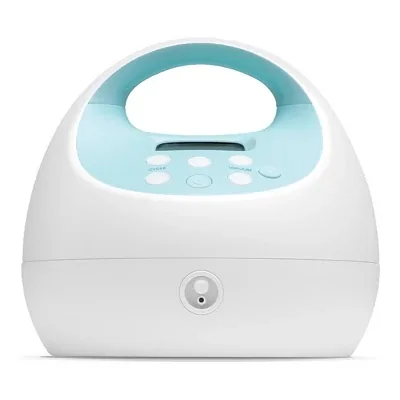
The IBCLC gold standard for double electric pumping
The Spectra S1 Plus is the breast pump that lactation consultants recommend most often — and for good reason. Its hospital-grade suction power, comfortable cycling pattern, and rechargeable battery make it the most effective all-around pump at a price that's frequently covered by insurance.
Read the full Spectra S1 Plus review →Pros
- Built-in rechargeable battery provides 3+ hours of untethered use
- Two-phase cycling (stimulation + expression) closely mimics a baby's natural nursing pattern
- Widely recommended by IBCLCs and consistently produces strong milk output
Cons
- Bulkier than wearable competitors — not truly hands-free
- Tubing setup requires a learning curve for first-time users
Score Breakdown
Suction Power9.5Comfort9.3Portability8.2Ease Of Use9.0Value9.6 - 2
8.9
$330Runner-Up
Runner-Up
$330at direct
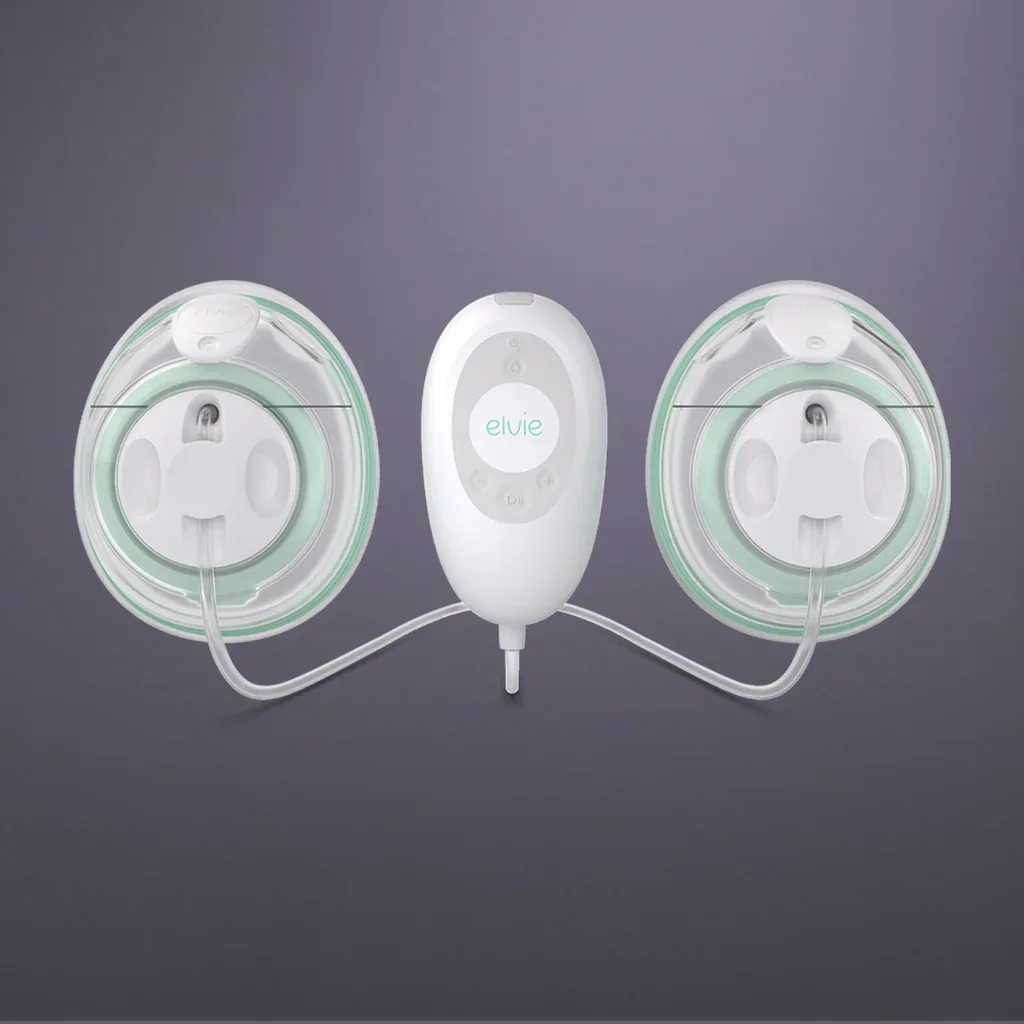
- Fully wearable in-bra design allows truly hands-free pumping while working, commuting, or caring for another child
- Quiet enough to use in meetings or public without drawing attention
Truly wearable, truly hands-free double pumping
The Elvie Stride redefines what pumping can look like for working and on-the-go mothers. Its wearable design and whisper-quiet motor are unmatched, and while suction is slightly below the Spectra at maximum, it's more than adequate for most pumping needs — especially when convenience is the priority.
Read the full Elvie Stride review →Pros
- Fully wearable in-bra design allows truly hands-free pumping while working, commuting, or caring for another child
- Quiet enough to use in meetings or public without drawing attention
- Companion app tracks pump sessions and milk volume automatically
Cons
- Suction output is slightly lower than a traditional hospital-grade pump at peak settings
- Premium price is the highest in this roundup
Score Breakdown
Suction Power8.7Comfort8.8Portability9.8Ease Of Use8.6Value7.8 - 3
8.5
$280Best Value
Best Value
$280at direct
- Medela's 2-Phase Expression technology is backed by decades of clinical research
- Wide parts ecosystem — flanges, bottles, and accessories widely available in stores
Trusted clinical technology in a portable package
Medela's Pump In Style is a proven workhorse with a parts ecosystem that no other brand can match. The MaxFlow technology delivers strong, consistent output, and the universal availability of replacement parts gives it a long-term reliability edge over newer competitors.
Read the full Medela Pump In Style with MaxFlow review →Pros
- Medela's 2-Phase Expression technology is backed by decades of clinical research
- Wide parts ecosystem — flanges, bottles, and accessories widely available in stores
- Compact carry case with built-in cooler bag is genuinely practical
Cons
- Requires wall outlet or USB power — no built-in rechargeable battery
- Slightly louder motor than Spectra at comparable suction levels
Score Breakdown
Suction Power9.0Comfort8.4Portability8.5Ease Of Use8.7Value8.2 - 4
8.2
$160Insurance-friendly powerhouse at the best covered price
Insurance-friendly powerhouse at the best covered price
$160at direct
- Frequently available at no cost through major insurance plans
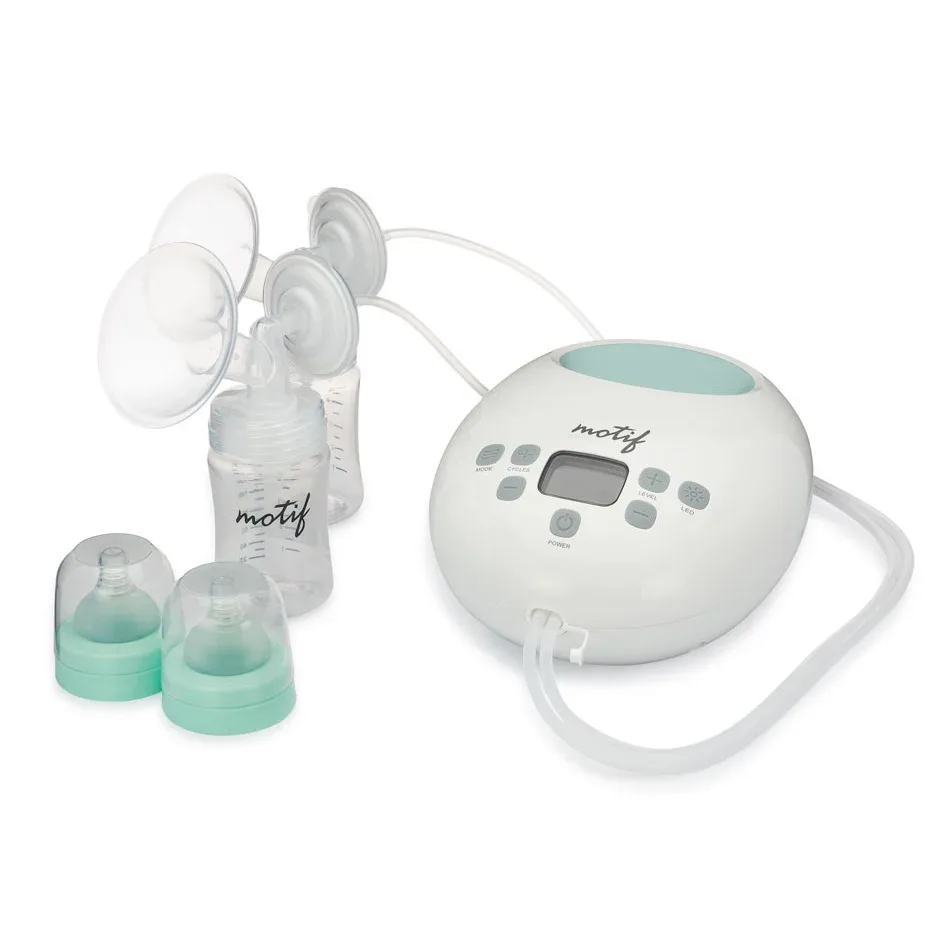
- Closed system prevents milk from entering tubing — more hygienic for long-term use
Insurance-friendly powerhouse at the best covered price
The Motif Luna is one of the best-kept secrets in breast pumps. Its closed-system design, rechargeable battery, and strong suction rival pumps costing twice as much — and it's one of the easiest pumps to get covered at 100% through insurance.
Read the full Motif Luna Double Electric Breast Pump review →Pros
- Frequently available at no cost through major insurance plans
- Closed system prevents milk from entering tubing — more hygienic for long-term use
- Lightweight at just 1.1 lbs with a rechargeable battery
Cons
- Smaller brand means fewer third-party accessory options than Spectra or Medela
- App connectivity features are less polished than Elvie's platform
Score Breakdown
Suction Power8.6Comfort8.3Portability8.0Ease Of Use8.5Value9.2 - 5
8.0
$30The brilliant passive pump every breastfeeding mother needs
The brilliant passive pump every breastfeeding mother needs
$30at amazon
- Attaches to the letdown breast during nursing to catch milk passively — zero effort required
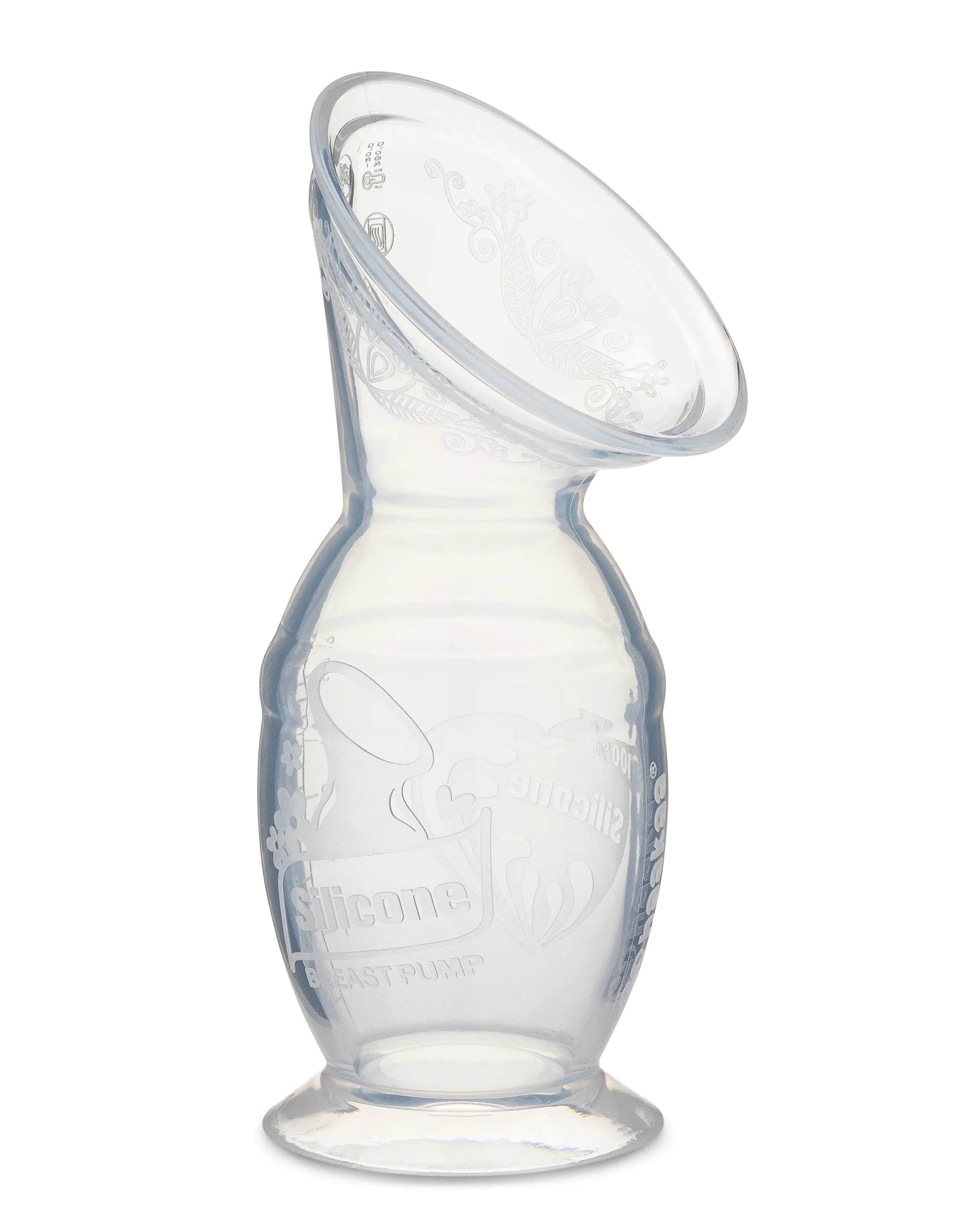
- Single silicone piece with no parts, tubes, or assembly to clean
The brilliant passive pump every breastfeeding mother needs
The Haakaa is not a traditional breast pump — it's a passive collection device that attaches to the opposite breast during nursing to capture letdown milk that would otherwise be lost. At $30, it's the most cost-effective breastfeeding tool available and something virtually every nursing mother benefits from owning alongside their electric pump.
Read the full Haakaa Silicone Breast Pump review →Pros
- Attaches to the letdown breast during nursing to catch milk passively — zero effort required
- Single silicone piece with no parts, tubes, or assembly to clean
- At $30, it pays for itself in collected milk within the first week
Cons
- Manual passive collection only — cannot replace an electric pump for establishing supply
- No suction settings or control over output volume
Score Breakdown
Suction Power7.2Comfort9.0Portability9.8Ease Of Use9.9Value9.9

Breast Pumps Buying Guide
Why does your breast pump choice matter?
For many mothers a pump is what makes breastfeeding goals survive real life — returning to work, building a freezer stash, sharing night feeds, or managing supply. The right pump for your situation gets used every day without dread; the wrong one is uncomfortable, slow, and a genuine obstacle to continuing. Because pumping is often a multiple-times-a-day commitment for months, small differences in comfort, noise, and cleanup add up fast.
What to look for
Your insurance benefit first
Under the Affordable Care Act, most U.S. health plans must cover a breast pump. Start by checking which models your plan covers and through which supplier — the upgrade fee for a better model is often small.
Plug-in power vs. wearable freedom
Traditional double electric pumps generally offer the strongest, most adjustable suction; wearable in-bra pumps trade some power for the ability to pump while doing everything else. Many mothers who pump daily end up wanting both.
Flange fit
The funnel size you need is measured, not guessed, and the size that comes in the box fits only some mothers. A correctly fitted flange is the single biggest factor in comfort and output.
Parts and cleanup burden
Count the pieces you’ll wash after every session. Fewer parts and dishwasher-safe components matter enormously by week six.
Noise and discretion
If you’ll pump at work, in a shared office, or next to a sleeping baby, check how loud the motor is and whether the pump runs on battery.
Closed system hygiene
A closed system has a barrier that keeps milk out of the tubing and motor — easier to keep sanitary and safer if the pump will ever have a second user or a second baby.
Our shortlist of 5
- #1 Spectra S1 Plus — Best Overall
- #2 Elvie Stride — Runner-Up
- #3 Medela Pump In Style with MaxFlow — Best Value
- #4 Motif Luna Double Electric Breast Pump
- #5 Haakaa Silicone Breast Pump
Frequently Asked Questions
Does insurance really cover a breast pump?
Yes — the Affordable Care Act requires most health plans to cover one per pregnancy, typically a standard double electric model ordered through an approved supplier. Call your plan or use a supplier’s lookup tool; many also let you pay the difference to upgrade to a premium or wearable model.
When should I get my pump?
Before your baby arrives. Insurance orders can take weeks, and having the pump ready means you can deal with early engorgement or an unexpected NICU stay without scrambling. There’s no need to pump before birth — just have it clean and assembled.
Can a wearable pump be my only pump?
It can work if you pump occasionally, but if you pump daily — especially at work while separated from your baby — most lactation consultants suggest a strong plug-in double electric as your primary, with a wearable or a simple silicone pump as the convenient backup.
Our Ranking Methodology
Breast pumps were evaluated on 6 weighted criteria: suction power and milk output, comfort across multiple sessions, portability and discretion, ease of cleaning and assembly, and price-to-value ratio. Each electric pump was tested over a minimum of 4 weeks of daily use by nursing mothers.
Learn more about how we test and score →