
Best Books for Teens of 2026
The best books for high schoolers (ages 13–18) — a mix of essential classics and modern YA that teens actually finish. Ranked for literary quality, teen relevance, and lasting developmental impact.
Filter Results
Filter Results
Showing 5 of 5 results
- 1
9.5
Best Overall$10.99Best Overall
Best Overall
$10.99at Amazon Associates
- Captures the emotional texture of adolescence with rare precision — teens who read it report feeling genuinely seen, often for the first time
- Addresses mental health, trauma, and identity in a compassionate, non-exploitative way that opens real conversations
The most honest book about being a teenager that most teenagers will ever read.
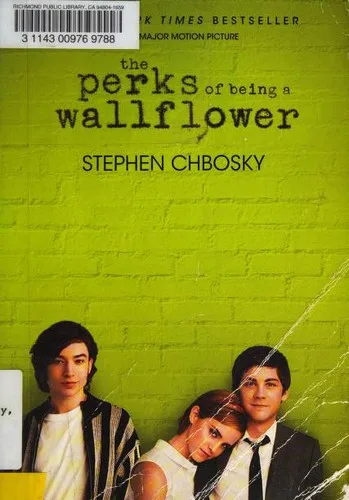
The Perks of Being a Wallflower is one of those rare books that doesn't explain teenagers to adults — it speaks directly to teenagers about themselves, with an honesty that most adult fiction can't match. Charlie's letters capture the confusion, longing, and unexpected beauty of adolescence with a precision that feels almost unfair. Teens who find it at 15 carry it with them for the rest of their lives.
Read the full The Perks of Being a Wallflower review →Pros
- Captures the emotional texture of adolescence with rare precision — teens who read it report feeling genuinely seen, often for the first time
- Addresses mental health, trauma, and identity in a compassionate, non-exploitative way that opens real conversations
- The epistolary format — written as letters to an unnamed friend — is uniquely intimate and draws in even reluctant readers
Cons
- Contains mature themes including abuse, sexual content, and drug use — best reserved for readers 14 and older
- Parents should read it first or alongside their teen; the content is purposeful but genuinely heavy
Score Breakdown
Literary Quality9.3Teen Engagement9.8Developmental Value9.6Cultural Significance9.4Rereadability9.3Specs
- Age Range
- 14–18
- Pages
- 224
- Genre
- Coming-of-age / epistolary fiction
- Author
- Stephen Chbosky
- Publisher
- MTV Books / Simon & Schuster
- First Published
- 1999
- Content Warning
- Abuse, mental health, mature themes
- 2
9.4
$8.99Best Classic
Best Classic
$8.99at Amazon Associates
- Scout's child narrator makes moral complexity accessible — teens absorb the lessons without feeling lectured at
- Atticus Finch remains one of literature's most enduring models of principled, quiet courage in an unjust system
The foundational American novel on justice, moral courage, and racial inequality — still essential at 65 years old.
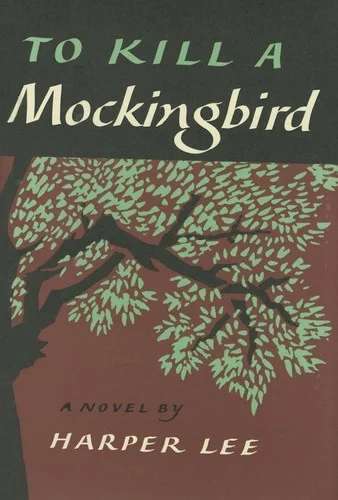
To Kill a Mockingbird has remained on every serious high school reading list for six decades because it does something almost impossible: it makes moral clarity feel hard-won rather than preachy. Reading it alongside a teen and discussing Atticus's choices — especially his failures — is one of the best conversations a parent can have. The fact that it's still banned in certain school districts in 2026 tells you it still has teeth.
Read the full To Kill a Mockingbird review →Pros
- Scout's child narrator makes moral complexity accessible — teens absorb the lessons without feeling lectured at
- Atticus Finch remains one of literature's most enduring models of principled, quiet courage in an unjust system
- Provokes the kind of family dinner conversation about race, justice, and civic responsibility that no classroom assignment can manufacture
Cons
- The novel's racial language is historically accurate and deliberately confrontational — requires contextual conversation, not avoidance
- Pacing in the first half can feel slow to modern readers accustomed to YA's propulsive structure
Score Breakdown
Literary Quality9.8Teen Engagement9.0Developmental Value9.8Cultural Significance9.9Rereadability9.4Specs
- Age Range
- 13–18
- Pages
- 336
- Genre
- Classic American fiction
- Author
- Harper Lee
- Publisher
- HarperCollins
- First Published
- 1960
- Awards
- Pulitzer Prize, 1961
- 3
9.2
$11.99Best for Reluctant Readers
Best for Reluctant Readers
$11.99at Amazon Associates
- Compulsively readable — the present-tense, first-person narration pulls in teens who claim they hate reading and doesn't let go
- Katniss is a genuinely complex female protagonist who resists easy heroism, which makes her more instructive than a simple role model
The YA novel that brought a generation back to reading — and still does.
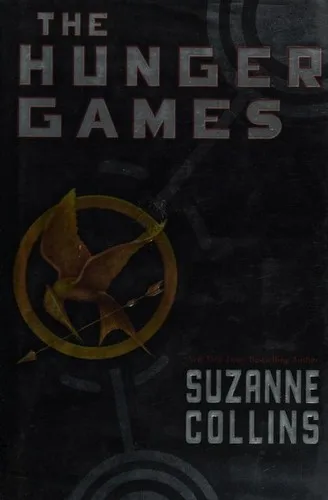
The Hunger Games is the book librarians and English teachers reach for when a teen insists reading is not for them — and it almost always works. The premise is brutal and the pacing is merciless, but Collins uses it to raise questions about spectacle and suffering that teens carry into adulthood. As gateway drugs to serious fiction go, there are few more effective.
Read the full The Hunger Games review →Pros
- Compulsively readable — the present-tense, first-person narration pulls in teens who claim they hate reading and doesn't let go
- Katniss is a genuinely complex female protagonist who resists easy heroism, which makes her more instructive than a simple role model
- Engages teens with serious questions about media, propaganda, class inequality, and state violence in an immediately accessible way
Cons
- The sequels decline noticeably in quality — Catching Fire is strong, but Mockingjay can frustrate teens who loved the first two
- Violence is integral to the premise; parents of younger or more sensitive 12-year-olds should preview before gifting
Score Breakdown
Literary Quality8.8Teen Engagement9.9Developmental Value9.0Cultural Significance9.2Rereadability9.0Specs
- Age Range
- 12–18
- Pages
- 374
- Genre
- Dystopian YA
- Author
- Suzanne Collins
- Series
- The Hunger Games #1
- Publisher
- Scholastic
- First Published
- 2008
- 4
9.3
$9.99Best for Critical Thinking
Best for Critical Thinking
$9.99at Amazon Associates
- Gives teens a precise critical vocabulary — doublethink, thoughtcrime, memory hole — that applies directly to contemporary media and politics
- The horror is intellectual and psychological, not gratuitous — it unsettles without traumatizing, which is exactly what great literature should do
The novel that gave us the vocabulary to talk about surveillance, propaganda, and authoritarian control — more relevant now than ever.
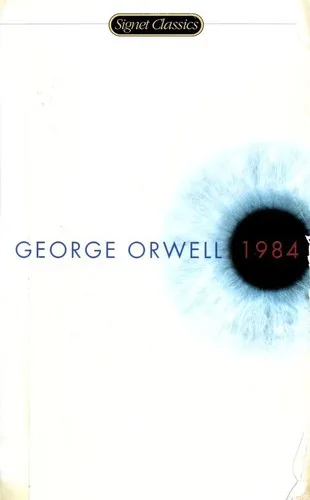
1984 is the most important novel on this list from a civic education standpoint — Orwell wrote a manual for recognizing authoritarianism, and every generation needs to read it before they need it. Teens who engage with it seriously tend to become sharper media consumers, more skeptical voters, and more precise thinkers about language itself. The fact that it consistently returns to bestseller lists during political crises is all the recommendation it needs.
Read the full 1984 review →Pros
- Gives teens a precise critical vocabulary — doublethink, thoughtcrime, memory hole — that applies directly to contemporary media and politics
- The horror is intellectual and psychological, not gratuitous — it unsettles without traumatizing, which is exactly what great literature should do
- Consistently cited by adults as the book that most changed how they think; the earlier a teen reads it, the better equipped they are
Cons
- The pacing drags considerably in the middle sections, particularly the excerpts from Goldstein's book — assign it with that warning
- Best for 15+ due to the darkness of Room 101 and the novel's deliberately hopeless ending
Score Breakdown
Literary Quality9.5Teen Engagement8.8Developmental Value9.9Cultural Significance9.9Rereadability8.9Specs
- Age Range
- 15–18
- Pages
- 328
- Genre
- Dystopian fiction
- Author
- George Orwell
- First Published
- 1949
- Publisher
- Signet Classic
- 5
9.0
$11.99Best for Inspiration
Best for Inspiration
$11.99at Amazon Associates
- Short, fast, and immediately meaningful — finishable in a weekend, which matters enormously for teens who struggle to commit to longer books
- The central message — that the journey itself is the point — lands differently at 16 than at any other age, making it uniquely timed
A deceptively simple fable about following your purpose — the book teens return to at every crossroads.
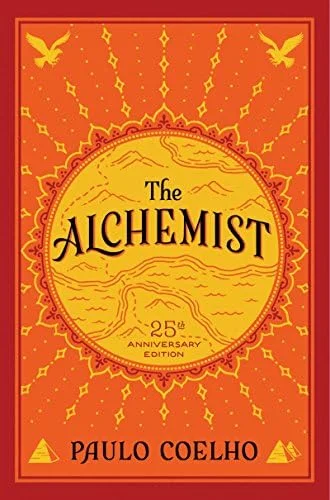
The Alchemist is not the most sophisticated book on this list, but it may be the most useful one at 16 — a fable about purpose and perseverance that arrives at exactly the right moment in a teenager's life and stays with them. It has sold 65 million copies in 80 languages not because critics love it, but because something in it is genuinely true. Buy it, leave it on the nightstand, and don't make it a homework assignment.
Read the full The Alchemist review →Pros
- Short, fast, and immediately meaningful — finishable in a weekend, which matters enormously for teens who struggle to commit to longer books
- The central message — that the journey itself is the point — lands differently at 16 than at any other age, making it uniquely timed
- Sparks genuine reflection about personal values and long-term goals in a way that feels chosen rather than assigned
Cons
- Literary critics find the prose thin and the allegory heavy-handed — it's a book of wisdom more than a work of literature
- Teens who are skeptical of anything that feels 'inspirational' may resist it; it works best when discovered voluntarily
Score Breakdown
Literary Quality8.7Teen Engagement9.3Developmental Value9.5Cultural Significance9.0Rereadability9.2Specs
- Age Range
- 14–18
- Pages
- 208
- Genre
- Philosophical fiction / fable
- Author
- Paulo Coelho
- Publisher
- HarperOne
- First Published
- 1988
- Translated From
- Portuguese
Education & Reading Buying Guide
Why hand a teenager a book at all?
The teenage years are when reading either becomes part of who a person is or gets filed under homework. The books that break through do something school assignments rarely manage: they feel like they were written for this exact teenager, right now — the outsider’s ache, the unjust world, the first big questions about meaning. A parent’s best move isn’t assigning; it’s strategic placement of the right book and the restraint to let it be discovered.
What to look for
Teen-voiced authenticity
Teens read books that sound like the inside of their own heads. First-person voice, emotional honesty, and zero moralizing are the entry fee.
Ideas worth arguing with
The books that stick at this age — dystopias, classics of justice and conscience — give teens something to push against. If it can fuel a dinner-table argument, it can compete with a phone.
Content awareness, not censorship
Some of the best teen books carry heavy themes — that’s often why they work. Know what’s in a book (content notes are widely available), match it to your teen, and be ready to talk rather than to forbid.
Crossover credibility
Books with movie adaptations, cultural cachet, or adult readership don’t feel like kid stuff — and that matters enormously to a 16-year-old’s self-image.
Short enough to finish
A 250-page masterpiece a teen finishes beats a 600-page one they abandon. Completion builds the identity; the identity builds the habit.
Their interests, not your nostalgia
The gaming teen might start with a thriller, the activist with dystopia, the romantic with exactly what you’d guess. Meet the actual teenager; your beloved classic can wait a year.
Our shortlist of 5
- #1 The Perks of Being a Wallflower — Best Overall
- #2 To Kill a Mockingbird — Best Classic
- #3 The Hunger Games — Best for Reluctant Readers
- #4 1984 — Best for Critical Thinking
- #5 The Alchemist — Best for Inspiration
Frequently Asked Questions
How do I get my teenager to read without a fight?
Don’t assign — position. Leave the right book around, mention "I couldn’t put this down" and nothing more, let them see you reading, and connect books to what they already love (the show’s source novel, the game-adjacent thriller). Pressure converts reading into homework; discovery converts it into identity.
Do audiobooks and e-books count as real reading?
Yes. Comprehension research treats listening and reading as deeply overlapping skills, and for busy or dyslexic teens audiobooks are often the difference between a reading life and none. The format war isn’t worth fighting; the story getting in is the whole game.
Should I worry about mature content in teen books?
Engage rather than police: most acclaimed teen books carry mature themes because honest books about adolescence must, and content summaries are easy to find if you want a preview. A banned book becomes irresistible; a discussed book becomes a conversation. Reserve vetoes for genuine mismatches with your kid’s readiness, not for discomfort.
Our Ranking Methodology
Books evaluated on literary quality, teen engagement and relevance, intellectual and emotional development value, and cultural significance.
Learn more about how we test and score →