
Best Video Games for Teens of 2026
The best video games for high schoolers (ages 13–18) — ranked for gameplay quality, age-appropriateness, social value, and cognitive benefit. Vetted by a games and learning researcher.
Filter Results
Filter Results
Showing 5 of 5 results
- 1
9.5
Best Overall$29.99Best Overall
Best Overall
$29.99at Amazon Associates
- The most creative digital medium a teen can engage with — effectively a 3D spatial design tool with infinite scope
- Multiplayer builds genuine collaboration, communication, and shared problem-solving across platforms
The most played game in history — endlessly creative, genuinely educational, and still evolving.
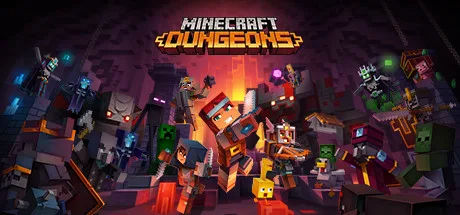
Minecraft is the rare game that parents and educators genuinely celebrate — the creative mode is effectively a 3D spatial design tool, the survival mode teaches resource management and planning, and the multiplayer experience builds real friendships. At $30 with no subscription required, it remains the best value in gaming. Teens who grow up with it often cite it as the reason they got into engineering, architecture, or programming.
Read the full Minecraft (Java + Bedrock Edition) review →Pros
- The most creative digital medium a teen can engage with — effectively a 3D spatial design tool with infinite scope
- Multiplayer builds genuine collaboration, communication, and shared problem-solving across platforms
- Constant free updates — biomes, mobs, and mechanics added regularly — mean it never gets stale
Cons
- Can become a significant time sink without parental screen time boundaries in place
- Public online servers expose kids to strangers and unmoderated chat — use private servers or Realms for younger teens
Score Breakdown
Gameplay9.6Age Appropriateness9.9Social Value9.7Cognitive Value9.5Value9.4Specs
- Platform
- PC, Xbox, PlayStation, Switch, Mobile
- Rating
- E10+
- Genre
- Sandbox / Survival
- Multiplayer
- Yes — up to 10 players local/online
- Publisher
- Microsoft / Mojang
- Year Released
- 2011 (continuously updated)
- 2
9.4
$59.99Best Single-Player
Best Single-Player
$59.99at Amazon Associates
- Teaches genuine problem-solving — every puzzle has multiple valid solutions, rewarding creative lateral thinking
- Completely clean content with no gratuitous violence, mature themes, or online exposure — total parent peace of mind
The open-world masterpiece that redefined what a single-player game could be.
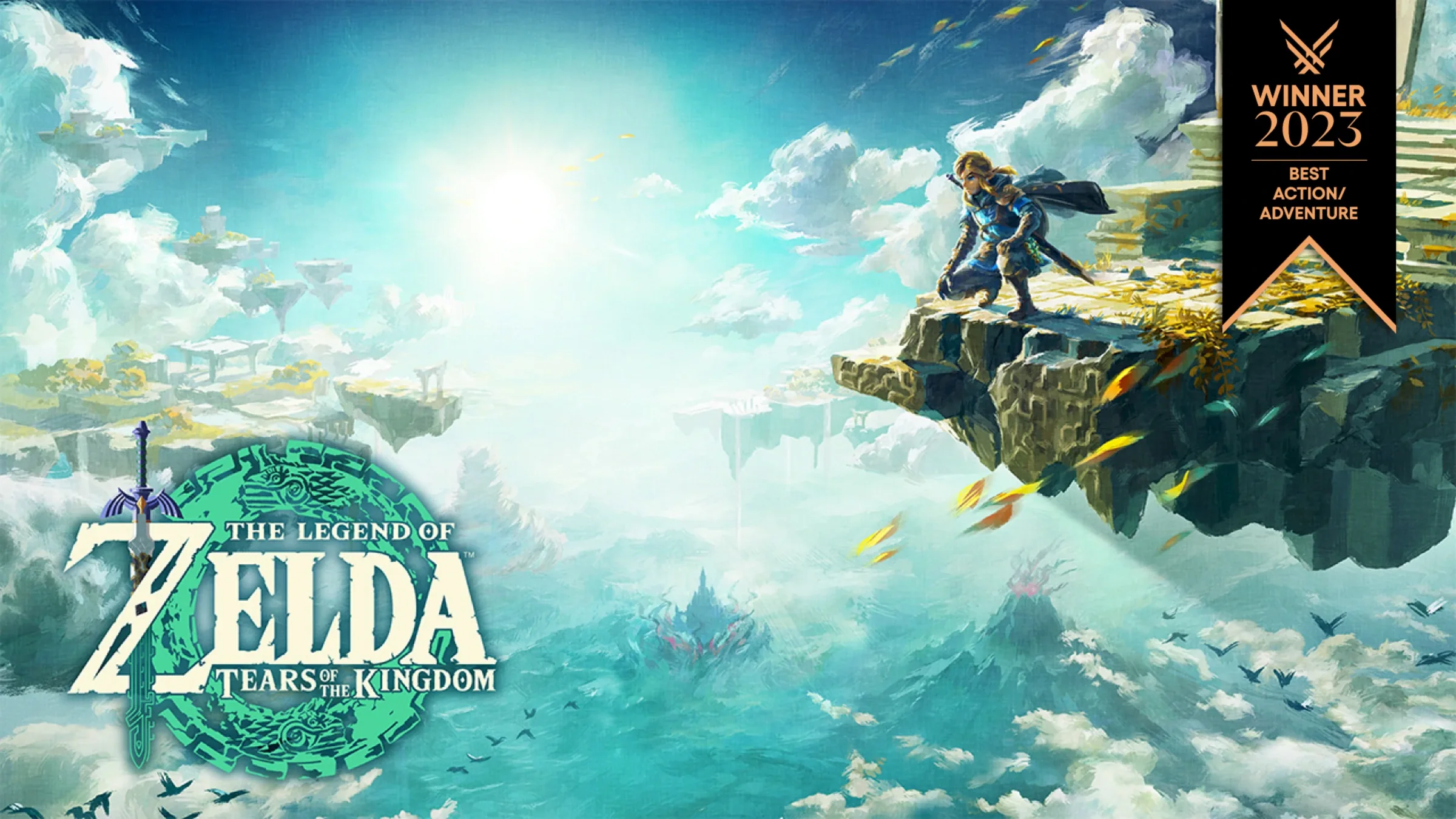
Breath of the Wild and its sequel Tears of the Kingdom are two of the most acclaimed games ever made — and unlike most critically lauded titles, they're genuinely appropriate for all teens. The physics-based puzzle design consistently rewards teens who think instead of grind, making it one of the most cognitively rich games on this list. The only downside is that it locks you into the Nintendo ecosystem.
Read the full The Legend of Zelda: Breath of the Wild / Tears of the Kingdom review →Pros
- Teaches genuine problem-solving — every puzzle has multiple valid solutions, rewarding creative lateral thinking
- Completely clean content with no gratuitous violence, mature themes, or online exposure — total parent peace of mind
- Tears of the Kingdom adds 100+ hours of new content that iterates brilliantly on the original's formula
Cons
- Requires a Nintendo Switch — no PC or PlayStation version means a hardware investment if you don't already own one
- Single-player only with no co-op or multiplayer component whatsoever
Score Breakdown
Gameplay9.8Age Appropriateness9.7Social Value7.5Cognitive Value9.6Value8.8Specs
- Platform
- Nintendo Switch
- Rating
- E10+
- Genre
- Action-adventure / open world
- Multiplayer
- No
- Publisher
- Nintendo
- Year Released
- 2017 (BotW) / 2023 (TotK)
- 3
9.2
$14.99Best for Stress Relief
Best for Stress Relief
$14.99at Amazon Associates
- One of the most calming, anxiety-reducing games ever made — perfect for high schoolers dealing with academic pressure
- Built by a single developer over four years, making it an inspiring story of creative persistence for teen players
A farming and life sim with surprising emotional depth — the antidote to high school stress.
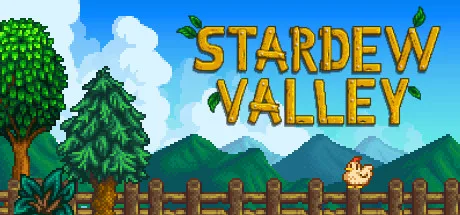
Stardew Valley is a $15 game that routinely appears on lists of the most meaningful gaming experiences people have ever had — which tells you everything you need to know about its value. The farming loop teaches patience and long-term planning; the NPC relationship system develops genuine empathy; and the whole thing was built by one person, which inspires teens more than any career guidance counselor ever could. Arguably the best dollar-per-hour of any game on this list.
Read the full Stardew Valley review →Pros
- One of the most calming, anxiety-reducing games ever made — perfect for high schoolers dealing with academic pressure
- Built by a single developer over four years, making it an inspiring story of creative persistence for teen players
- Co-op mode up to 4 players is a genuinely wholesome shared experience, including with parents or siblings
Cons
- The slow, deliberate pace may frustrate teens accustomed to action-heavy games — it's a long burn
- Contains mild content around alcohol (saloon scenes) and can address grief and relationship themes
Score Breakdown
Gameplay9.4Age Appropriateness9.9Social Value8.5Cognitive Value8.7Value9.8Specs
- Platform
- PC, Switch, PlayStation, Xbox, Mobile
- Rating
- E10+
- Genre
- Farming / life simulation RPG
- Multiplayer
- Up to 4 players co-op
- Publisher
- ConcernedApe
- Year Released
- 2016
- 4
9.1
$39.99Best for Playing with a Parent
Best for Playing with a Parent
$39.99at Amazon Associates
- Requires genuine real-time communication and coordination — naturally generates the kind of conversation parents want to have with their teens
- Wildly inventive mechanics that change completely every chapter, keeping both players constantly surprised and engaged
A co-op masterpiece designed for exactly two people — the best gaming experience you can share with your teen.
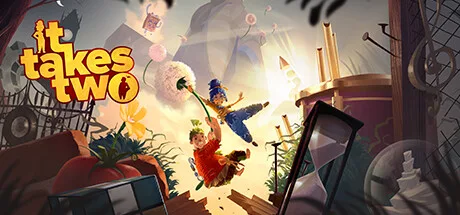
It Takes Two won every Game of the Year award in 2021 for a reason — it's a technical and creative marvel that also happens to be the best two-player experience in gaming history. For parents looking for a way to connect with a teen who has drifted toward solo screen time, this is your best tool. The Friend's Pass means one purchase covers both of you, and the 10–12 hour runtime is genuinely paced to leave you both wanting more.
Read the full It Takes Two review →Pros
- Requires genuine real-time communication and coordination — naturally generates the kind of conversation parents want to have with their teens
- Wildly inventive mechanics that change completely every chapter, keeping both players constantly surprised and engaged
- Friend's Pass included — only one copy needed for two players, making it effectively $20/person
Cons
- Story deals with parental divorce in a way that could be emotionally loaded for some families — worth a heads-up before playing
- Strictly two-player only; can't be played solo or with more than one other person
Score Breakdown
Gameplay9.5Age Appropriateness8.8Social Value9.9Cognitive Value8.8Value8.9Specs
- Platform
- PC, PlayStation, Xbox, Switch
- Rating
- T
- Genre
- Co-op adventure / platformer
- Multiplayer
- 2-player co-op required
- Publisher
- EA / Hazelight
- Year Released
- 2021
- 5
8.9
$29.99Best for Strategy Lovers
Best for Strategy Lovers
$29.99at Amazon Associates
- Teaches systems thinking, long-range planning, and cause-and-effect reasoning at a level few games can match
- Naturally inspires curiosity about history, geography, and world leaders — many history teachers use it as a classroom supplement
A turn-based strategy epic spanning all of human history — endlessly replayable and genuinely educational.
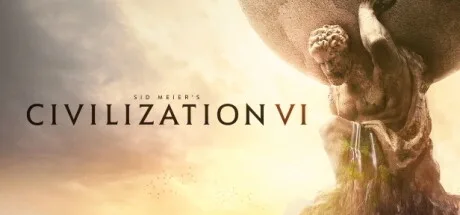
Civilization VI is the highest-cognitive-value game on this list — the kind of strategy game that teaches teens to think three steps ahead, model complex systems, and understand historical cause and effect in an intuitive way. If your teen plays Civ, they will walk into their AP World History exam with an advantage. Watch for the frequent Steam sales where the full game plus expansions can be had for under $20.
Read the full Civilization VI review →Pros
- Teaches systems thinking, long-range planning, and cause-and-effect reasoning at a level few games can match
- Naturally inspires curiosity about history, geography, and world leaders — many history teachers use it as a classroom supplement
- Hundreds of hours of replayable content — no two games play the same, which makes the base price exceptional value
Cons
- The base game is deliberately sold cheap to upsell DLC expansion packs — full experience costs significantly more than $30
- No quick-play option — a single game can run 10–20 hours, requiring real session management
Score Breakdown
Gameplay9.5Age Appropriateness9.2Social Value8.0Cognitive Value9.8Value9.2Specs
- Platform
- PC, Switch, PlayStation, Xbox
- Rating
- E10+
- Genre
- Turn-based strategy
- Multiplayer
- Up to 12 players online
- Publisher
- 2K Games / Firaxis
- Year Released
- 2016
Entertainment & Tech Buying Guide
Why engage with your teen’s gaming instead of fighting it?
Gaming is the default social space of the teenage years — where friendships live, where competence gets built and displayed, and yes, where time disappears. The parental win condition isn’t abstinence; it’s curation and boundaries: games with genuine creative, strategic, or social value, played in amounts that leave room for sleep, school, and the rest of life. The games on this list are the ones worth saying yes to — including a few worth playing together.
What to look for
ESRB rating, actually read
The ESRB rating and its content descriptors tell you exactly what’s in the box — violence level, language, in-game purchases. Everything we rank is E10+ or T; the rating system is your friend, use it before the argument, not after.
What the game builds
Creativity (building games), systems thinking (strategy), cooperation (co-op titles) — the best teen games are genuinely skill-building. "Is it making them think, make, or collaborate?" is the quality filter.
Social architecture
Who do they play with? Games played with real-life friends in party chat are social time; anonymous open-mic lobbies deserve more caution. Know which one a given game is.
Session shape
Some games pause anywhere; others punish quitting mid-match, which is what turns "dinner!" into a standoff. Knowing a game’s natural stopping points prevents half the household gaming fights.
Monetization honesty
The games we rank are buy-once titles. Be warier of free games engineered around loot boxes and battle passes — the price tag isn’t the cost, the psychology is.
Play-together potential
A co-op game with a parent is the trojan horse of teen connection — shoulder-to-shoulder conversation happens where face-to-face stalls. At least one game on this list was effectively built for it.
Our shortlist of 5
- #1 Minecraft (Java + Bedrock Edition) — Best Overall
- #2 The Legend of Zelda: Breath of the Wild / Tears of the Kingdom — Best Single-Player
- #3 Stardew Valley — Best for Stress Relief
- #4 It Takes Two — Best for Playing with a Parent
- #5 Civilization VI — Best for Strategy Lovers
Frequently Asked Questions
How much gaming is too much for a teenager?
The practical line isn’t a number — it’s displacement: gaming becomes a problem when it crowds out sleep, school, exercise, or in-person life, or when stopping triggers rage beyond normal teen grumbling. Set boundaries around those protected things (school nights, sleep, family dinner), co-create the rules with your teen, and judge the pattern, not the Saturday marathon with friends.
Are violent games harming my teen?
The teen-rated games on this list top out at stylized fantasy combat, and the research consensus on T-rated content is far less alarming than the headlines — the clearer risks are sleep loss, displacement, and toxic voice chat, not pixel violence. Save the hard lines for M-rated titles when your teen is younger, and spend your worry budget on the sleep schedule.
Should I play video games with my teenager?
It’s one of the best low-stakes connection tools you have — teens open up sideways, during co-op sessions, in ways interrogation-at-dinner never produces. Let them pick the game and be genuinely bad at it; your incompetence is the icebreaker. Even watching their build or run, with real curiosity, counts.
Our Ranking Methodology
Games evaluated on gameplay quality and depth, age-appropriateness and parent peace of mind, social and cognitive value, and value relative to cost.
Learn more about how we test and score →