
Best Kids Helmets & Protective Gear of 2026
We researched and evaluated the top helmets, knee pads, and protective gear sets for kids on safety certifications, fit, comfort, and value.
Filter Results
Filter Results
Showing 5 of 5 results
- 1
9.3
Best Overall$55Best Overall
Best Overall
$55at Direct
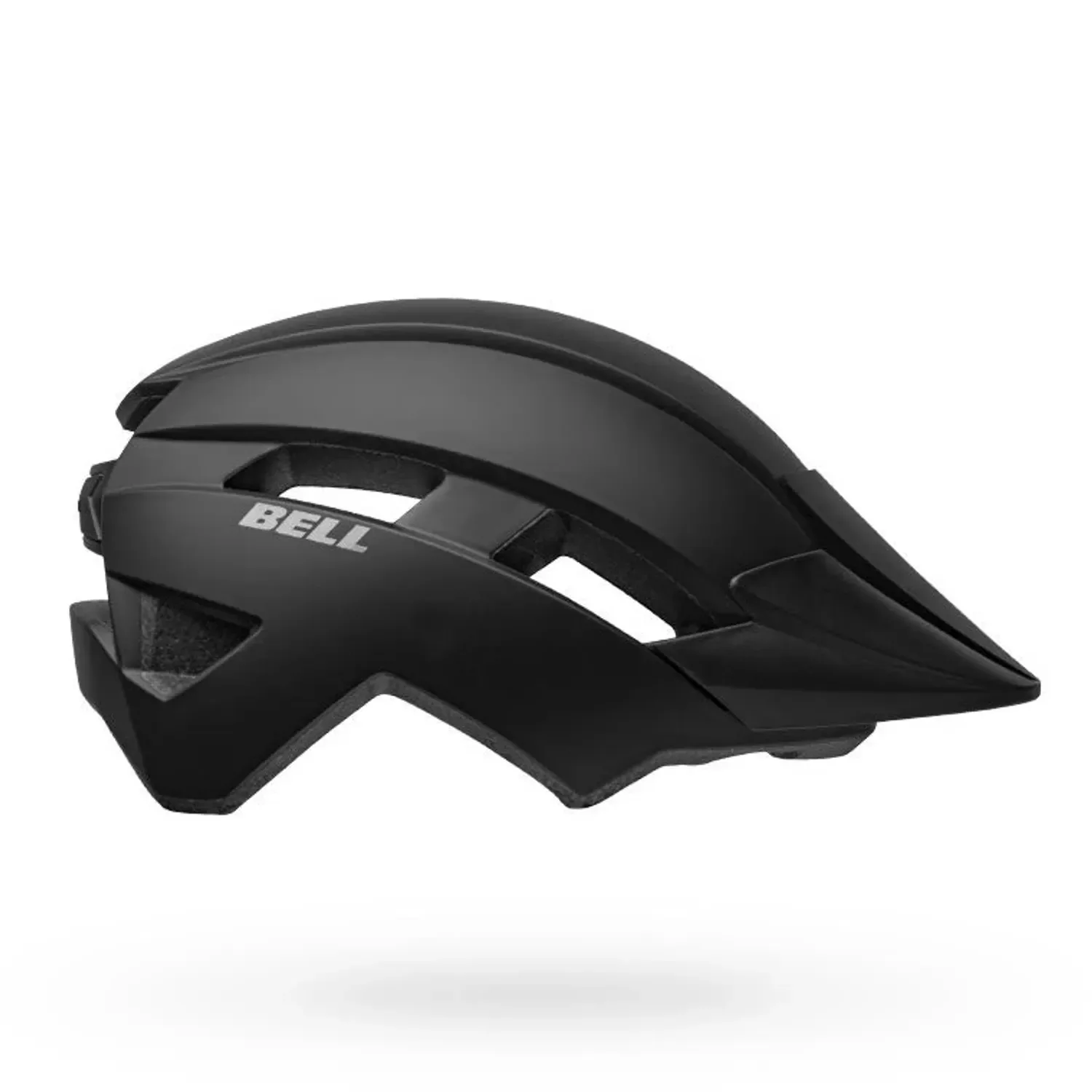
- MIPS liner reduces rotational forces — the most common injury type in bike falls
- Fusion In-Mold construction: lightweight polycarbonate shell bonded to EPS foam
MIPS technology in the best-fitting kids helmet available
The Bell Sidetrack II MIPS sets the standard for youth bike helmets. MIPS technology — used in most premium adult helmets — reduces the rotational forces responsible for concussions in angled impacts, which account for the majority of real-world bike falls. The Fusion In-Mold shell is both light and protective, and the fit dial makes self-adjustment easy for kids.
Read the full Bell Sidetrack II MIPS Youth Helmet review →Pros
- MIPS liner reduces rotational forces — the most common injury type in bike falls
- Fusion In-Mold construction: lightweight polycarbonate shell bonded to EPS foam
- Universal fit dial allows tool-free adjustment across head sizes
Cons
- Multi-sport certified but not dual-certified for skateboarding (ASTM F1492)
- Premium price versus non-MIPS options
Score Breakdown
Safety9.7Value9.0Ease9.3Quality9.2Specs
- Mips
- Yes
- Certifications
- CPSC 1203, ASTM F1447
- Age Range
- 5–14 years
- Sports
- Biking, scooter, rollerblading
- Vents
- 15
- 2
9.0
$60Best for Toddlers
Best for Toddlers
$60at Direct
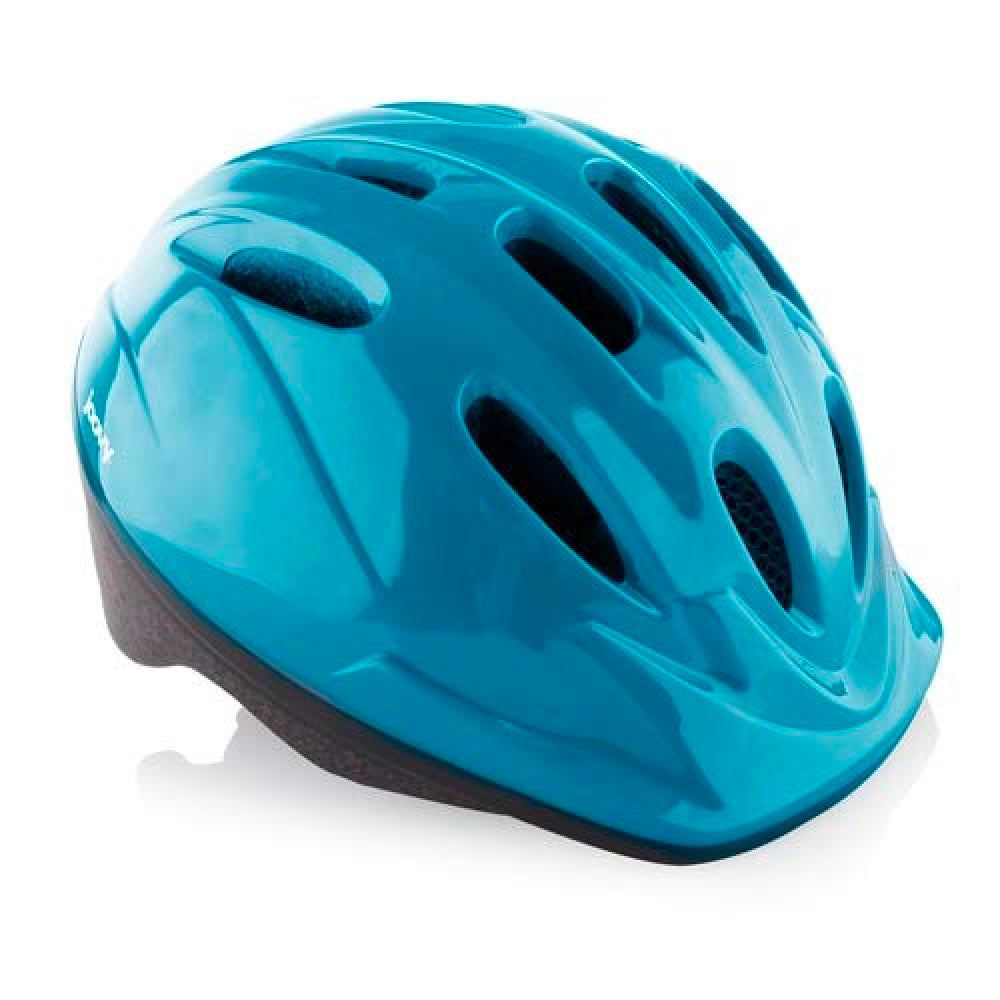
- One of the only MIPS helmets designed for the rounder toddler head shape
- Magnetic buckle — young children can manage it independently
The only MIPS helmet built specifically for the toddler head shape
The Joovy Noodle MIPS fills a genuine gap in the market: most 'youth' helmets start too large for heads under 50cm. The Noodle's rounder shape is designed specifically for toddler head anatomy, with soft padding, an easy magnetic buckle, and full MIPS protection — something most toddler helmets skip entirely.
Read the full Joovy Noodle MIPS Helmet review →Pros
- One of the only MIPS helmets designed for the rounder toddler head shape
- Magnetic buckle — young children can manage it independently
- Ultra-soft interior padding gentle on sensitive toddler skin
Cons
- Multi-sport certified only, not dual-certified for skateboarding
- Fits 48–52cm heads; fast-growing toddlers may size out quickly
Score Breakdown
Safety9.6Value8.8Ease9.4Quality9.1Specs
- Mips
- Yes
- Certifications
- CPSC 1203, EN1078
- Age Range
- 18 months–5 years
- Sports
- Balance bike, tricycle, scooter
- Buckle
- Magnetic
- 3
8.9
$50Best Skate & Bike Combo
Best Skate & Bike Combo
$50at Direct
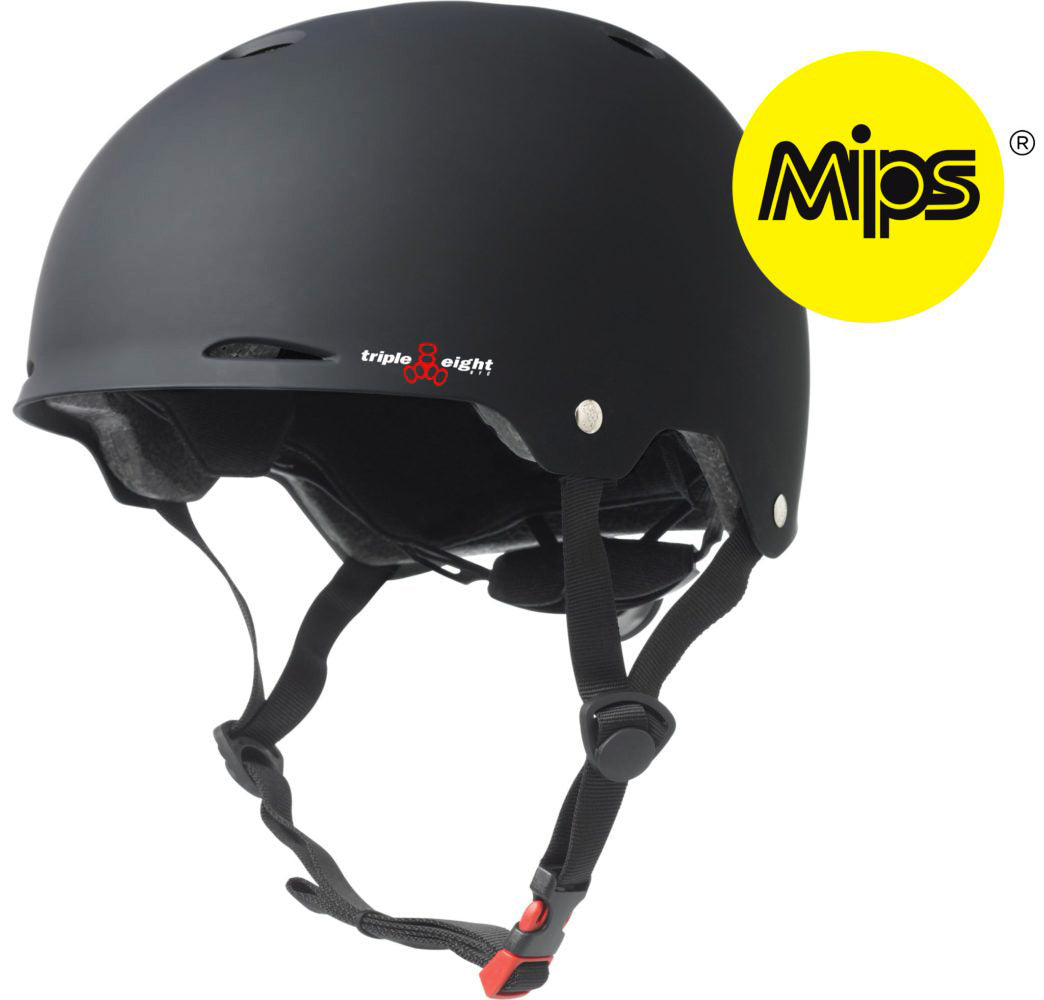
- Dual certified for CPSC biking AND ASTM F1492 skateboarding — one helmet for all sports
- ABS hard shell provides multi-impact protection for skate-style falls
The only helmet certified for both skateboarding AND biking
The Triple Eight Dual Certified is the only kids helmet certified for both bike riding (CPSC) and skateboarding (ASTM F1492). For families where kids ride bikes, scooters, and skateboards, this eliminates the need to own two separate helmets. The ABS hard outer shell is purpose-built for the multiple lower-impact falls that happen in skate sessions.
Read the full Triple Eight Dual Certified Helmet review →Pros
- Dual certified for CPSC biking AND ASTM F1492 skateboarding — one helmet for all sports
- ABS hard shell provides multi-impact protection for skate-style falls
- Sweatsaver liner wicks moisture and is machine washable
Cons
- Hard shell is heavier than foam in-mold helmets
- No MIPS technology
Score Breakdown
Safety9.3Value9.2Ease8.9Quality8.8Specs
- Certifications
- CPSC 1203 (bike), ASTM F1492 (skate)
- Shell
- ABS hard shell
- Liner
- Sweatsaver foam (machine washable)
- Age Range
- 5+ years
- Mips
- No
- 4
8.4
$28Best Budget
Best Budget
$28at Direct
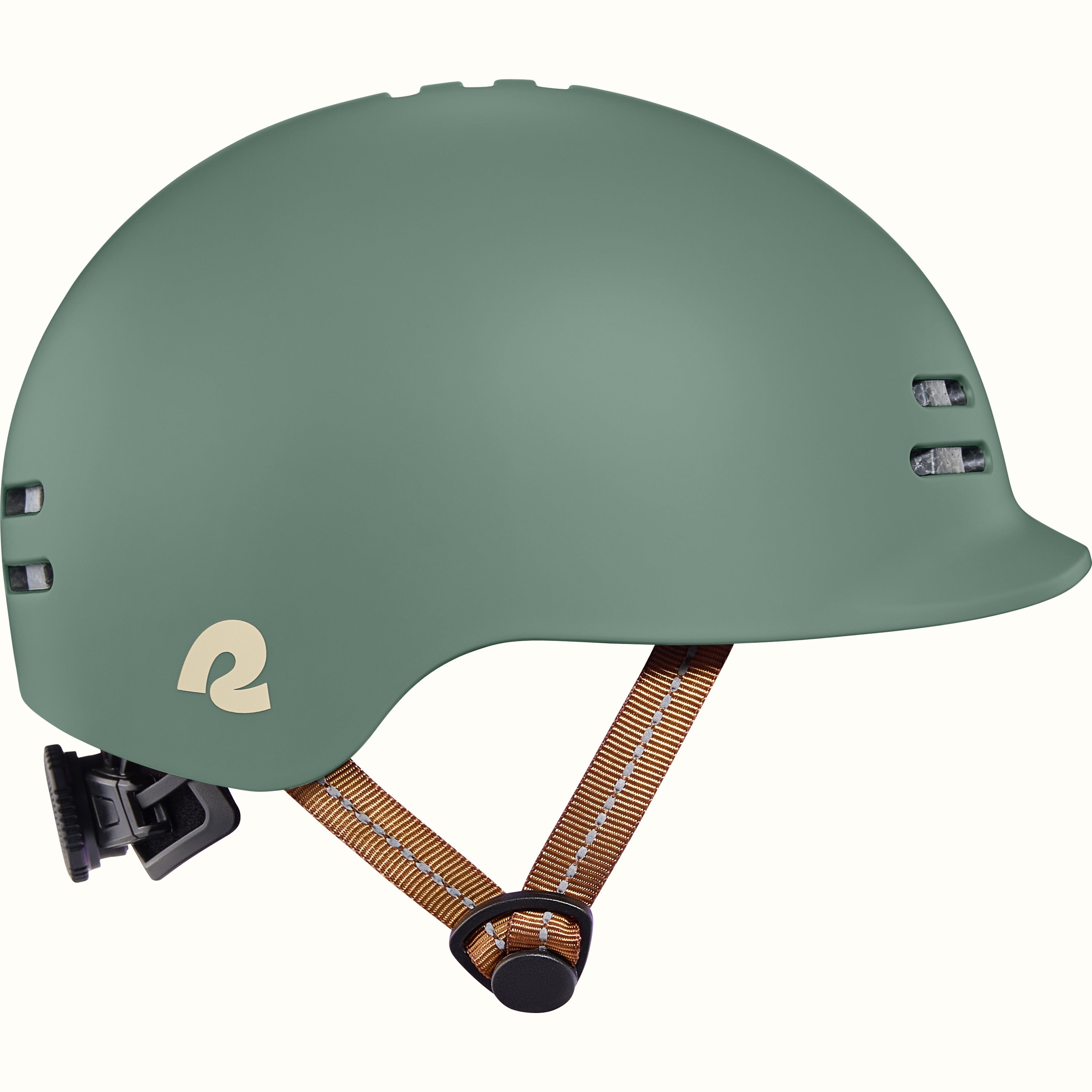
- CPSC certified — meets federal safety standard at the lowest price on this list
- Dial-fit system for easy size adjustment without tools
CPSC-certified protection under $30
The Retrospec Remi proves that certified protection doesn't have to cost $50+. It meets the federal CPSC standard, features a dial-fit system, and comes in enough colors that kids will actually want to put it on. For occasional riders, fast-growing kids, or parents prone to losing helmets at the park, it delivers excellent baseline protection at a responsible price.
Read the full Retrospec Remi Kids Helmet review →Pros
- CPSC certified — meets federal safety standard at the lowest price on this list
- Dial-fit system for easy size adjustment without tools
- Available in 14+ colors — kids are more likely to wear a helmet they like
Cons
- No MIPS technology
- EPS foam shell not appropriate for skateboarding
Score Breakdown
Safety8.8Value9.5Ease9.0Quality8.3Specs
- Certifications
- CPSC 1203
- Shell
- EPS foam with polycarbonate liner
- Age Range
- 5–14 years
- Mips
- No
- Sports
- Bike, scooter, rollerblade
- 5
9.1
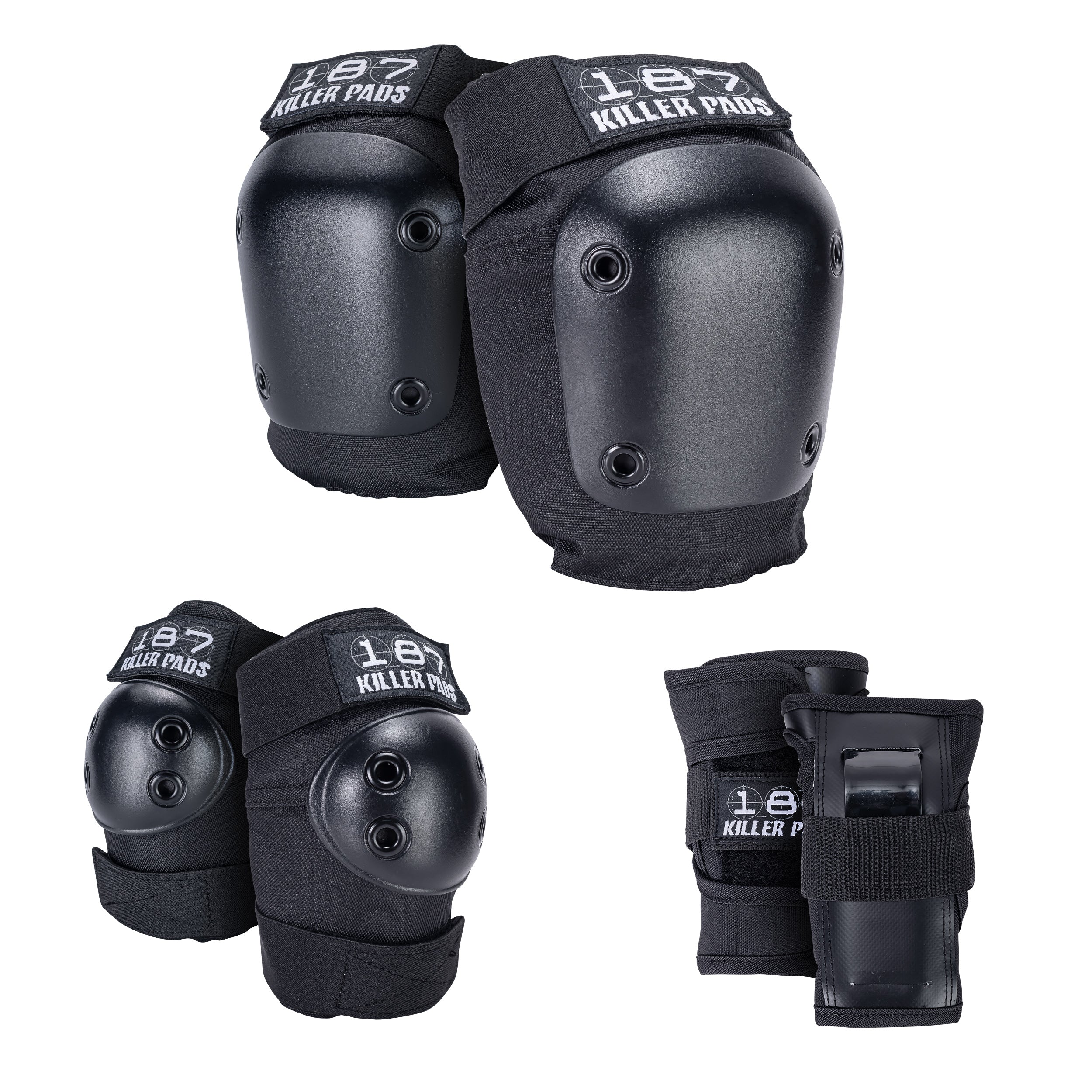
$60Best Complete Set
Best Complete Set
$60at Direct
- Includes knee pads, elbow pads, and wrist guards — one purchase covers everything
- 187 is trusted by professional skateboarders — same build quality in youth sizing
Pro-grade knee, elbow, and wrist guards scaled for kids
187 Killer Pads makes the protective gear trusted by professional skateboarders, and their Junior Combo Pack scales that same quality down for kids. The knee pads are ASTM certified and built to take real falls — not the thin foam padding found in cheaper sets. This is the complete protective pad solution for any child who skates, scoots, or rides.
Read the full 187 Killer Pads Junior Combo Pack review →Pros
- Includes knee pads, elbow pads, and wrist guards — one purchase covers everything
- 187 is trusted by professional skateboarders — same build quality in youth sizing
- ASTM F1886 certified knee pads with durable neoprene and hard-cap construction
Cons
- Helmet sold separately
- Runs small — size up if your child is between sizes
Score Breakdown
Safety9.5Value9.0Ease8.8Quality9.3Specs
- Includes
- Knee pads, elbow pads, wrist guards
- Certifications
- ASTM F1886 (knee pads)
- Material
- Neoprene + hard cap
- Age Range
- 4–10 years (youth sizing)
Kids Helmets & Protective Gear Buying Guide
Why does protective gear deserve real research?
Bikes, scooters, and skateboards are where childhood independence happens — and where a helmet is the difference between a scare and an emergency room. Head injuries are the injuries that matter most, and they’re also the most preventable: a properly fitted, properly certified helmet dramatically reduces the risk. The catch is that protection only works when it’s worn, fits correctly, and matches the activity — which is exactly where the products differ.
What to look for
Certification for the actual activity
Every bike helmet sold in the U.S. must meet the CPSC standard — that’s your floor. Skateboarding needs the ASTM skate standard, and only dual-certified helmets legitimately cover both. Match the sticker inside the helmet to the sport your kid actually does.
MIPS or similar rotational protection
MIPS adds a low-friction layer that reduces rotational forces in angled impacts — the kind most real falls involve. It typically adds modest cost, but a well-fitted standard helmet beats a poorly fitted MIPS one.
Fit you can verify
Measure your child’s head circumference and match it to the size chart. Fitted right: level on the head, about two fingers above the eyebrows, snug dial, V-shaped straps around the ears, one finger under the chin strap.
Adjustment room to grow
Dial-fit systems and swappable pads let a helmet grow with your child for a couple of seasons — but never buy so oversized that it fails the fit test today.
Ventilation and weight
A hot, heavy helmet triggers the daily helmet fight. Light, well-vented helmets get worn without argument — which makes ventilation a genuine safety feature.
Pads for wheels beyond the bike
For skateboards, skates, and scooters, wrist guards and knee pads prevent the most common fractures and scrapes. Buy them scaled for kids — adult pads sized down don’t stay put.
Our shortlist of 5
- #1 Bell Sidetrack II MIPS Youth Helmet — Best Overall
- #2 Joovy Noodle MIPS Helmet — Best for Toddlers
- #3 Triple Eight Dual Certified Helmet — Best Skate & Bike Combo
- #4 Retrospec Remi Kids Helmet — Best Budget
- #5 187 Killer Pads Junior Combo Pack — Best Complete Set
Frequently Asked Questions
Is MIPS worth the extra money for a kid’s helmet?
Generally yes — rotational protection addresses how real-world falls actually happen, and on kids’ helmets the price premium is usually modest. But fit and consistent wear matter more: a standard CPSC-certified helmet that fits perfectly and gets worn every ride protects better than a MIPS helmet that sits crooked or stays home.
When should a helmet be replaced?
After any significant impact — helmet foam is engineered to crush once, and damage can be invisible — and otherwise every few years as pads compress and materials age, or as soon as your child outgrows the fit range. A helmet that survived a real crash has done its job; retire it.
Does my kid really need pads for scootering and skating?
Wrist guards, at minimum, are strongly worth it — instinctively catching a fall with outstretched hands is how kids break wrists, and it’s the most common wheeled-sports injury. Knee and elbow pads turn pavement falls into non-events while skills are developing. For casual bike riding, the helmet is the non-negotiable piece.
Our Ranking Methodology
Products were evaluated on safety certifications and impact protection, fit system and retention, comfort and ventilation, versatility for multiple sports, and value.
Learn more about how we test and score →