
Best Baby Nasal Aspirators of 2026
We researched and evaluated the top baby nasal aspirators and booger removers on suction effectiveness, hygiene design, and ease of use.
Filter Results
Filter Results
Showing 5 of 5 results
- 1
9.3
Best Overall$20Best Overall
Best Overall
$20at Direct
- Mouth-powered suction is most effective at clearing thick, stubborn congestion
- Hygiene filter prevents any mucus from reaching caregiver's mouth
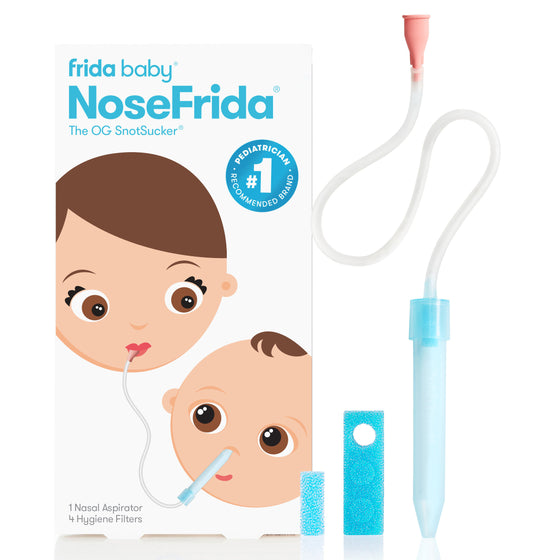
The original mouth-powered aspirator pediatricians recommend most
The NoseFrida is the most consistently effective over-the-counter nasal aspirator, regularly outperforming bulb syringes and electric options for thick mucus. The disposable hygiene filter prevents any germ transfer and the wide tube is easy to clean thoroughly. Parents who were skeptical typically become devoted fans after the first cold.
Read the full NoseFrida The Snotsucker review →Pros
- Mouth-powered suction is most effective at clearing thick, stubborn congestion
- Hygiene filter prevents any mucus from reaching caregiver's mouth
- Pediatrician-recommended; trusted in millions of households worldwide
Cons
- The concept grosses some parents out despite the filter being highly effective
- Requires cleaning after every use
Score Breakdown
Safety9.5Value9.2Ease9.0Quality9.2Specs
- Type
- Mouth-powered aspirator
- Filter Included
- Yes
- Filter Type
- Disposable foam filters (extras available)
- Cleanable
- Yes
- 2
8.9
$20Best for Dried Boogers
Best for Dried Boogers
$20at Direct
- Patented bear-head scoop safely reaches dried mucus that suction cannot remove
- Dual-ended — bear scoop for nose, loop end for ear canal
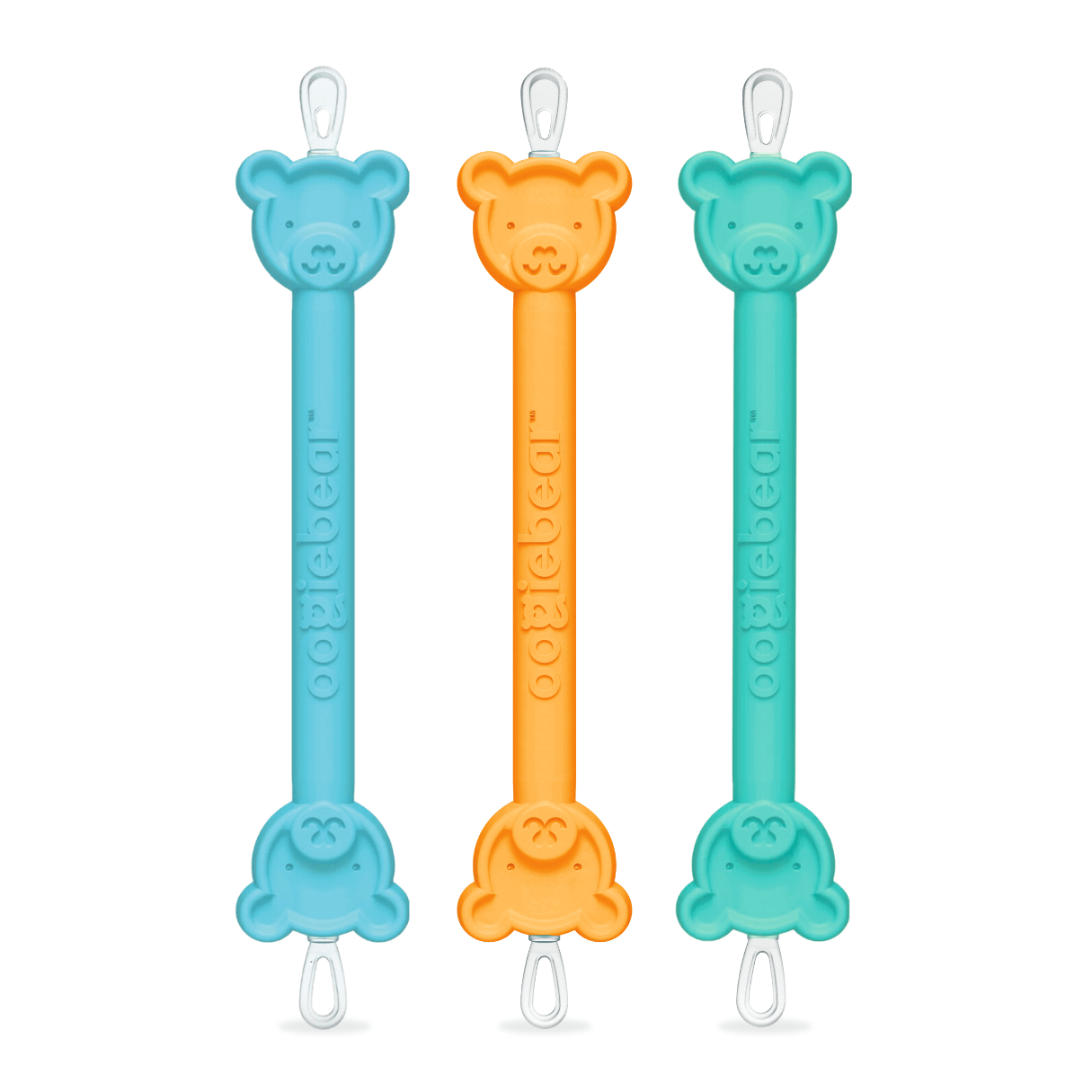
Patented scoop and loop for dried boogers no aspirator can reach
The oogiebear solves the problem no aspirator can: dried, crusty boogers that are lodged too deep for suction to reach. The patented bear-shaped scoop has a built-in safety guard preventing the tool from going too far, and the soft silicone is gentle on delicate nasal tissue. It pairs perfectly with the NoseFrida as a complete congestion toolkit.
Read the full oogiebear Nose & Ear Picker review →Pros
- Patented bear-head scoop safely reaches dried mucus that suction cannot remove
- Dual-ended — bear scoop for nose, loop end for ear canal
- Safety guard prevents inserting too far into nasal passage
Cons
- Not effective for wet or liquid congestion — use alongside NoseFrida
- Requires hand-washing between uses
Score Breakdown
Safety9.3Value9.0Ease9.4Quality8.9Specs
- Type
- Manual silicone scoop tool
- Ends
- 2 (bear scoop + loop)
- Safety Guard
- Yes
- Material
- Medical-grade silicone
- 3
8.7
$70Best Electric
Best Electric
$70at Direct
- Plug-in continuous suction — never runs out of power mid-use
- Adjustable suction strength appropriate from newborns through toddlers
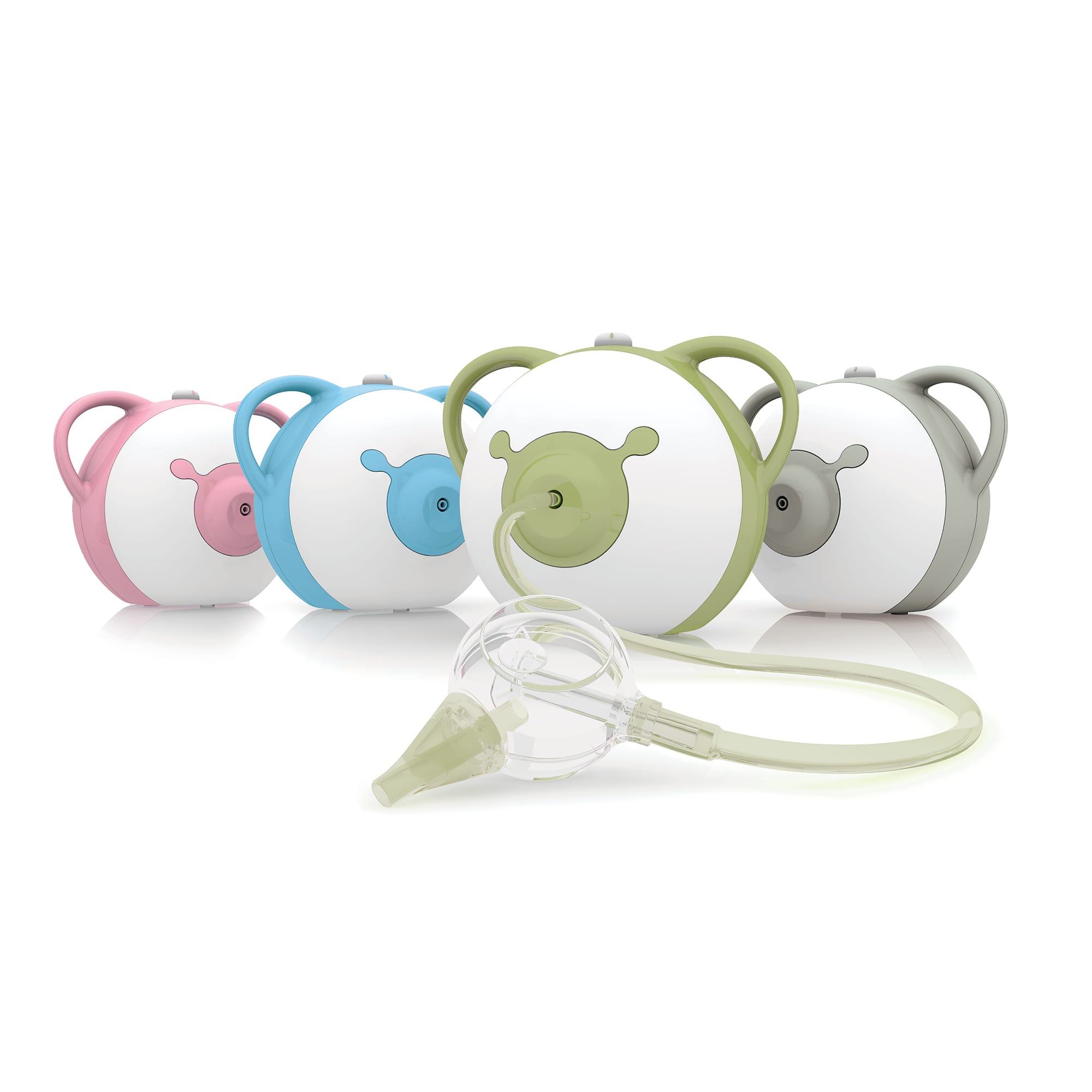
Continuous plug-in suction without the mouth-powered method
The Nosiboo Pro delivers consistent, strong electric suction without the mouth-powered technique. Its plug-in design means suction never weakens, and the adjustable setting makes it safe for newborns. The best electric option for frequent use during cold and allergy seasons — and the detachable design cleans more thoroughly than most.
Read the full Nosiboo Pro Electric Nasal Aspirator review →Pros
- Plug-in continuous suction — never runs out of power mid-use
- Adjustable suction strength appropriate from newborns through toddlers
- Detachable parts are easy to clean and dishwasher-safe
Cons
- Higher price than mouth-powered alternatives
- Requires being near an outlet — not portable
Score Breakdown
Safety9.1Value7.8Ease9.2Quality9.1Specs
- Type
- Electric plug-in aspirator
- Power
- AC outlet
- Suction Adjustable
- Yes
- Parts Diswasher Safe
- Yes
- 4
8.3
$35Best Budget Electric
Best Budget Electric
$35at Direct
- USB rechargeable — no cords or battery swapping needed
- Multiple silicone tip sizes included for newborns and older infants
USB-rechargeable electric aspirator under $35
The Baby Elefant delivers electric aspirator convenience at roughly half the price of the Nosiboo Pro. USB rechargeable with multiple tip sizes, it works from newborn through toddler and packs easily for travel. The right pick for parents who want electric suction without committing to a plug-in unit.
Read the full Baby Elefant Electric Nasal Aspirator review →Pros
- USB rechargeable — no cords or battery swapping needed
- Multiple silicone tip sizes included for newborns and older infants
- Compact design travels well in a diaper bag
Cons
- Suction slightly weaker than plug-in electric models
- Rechargeable battery capacity diminishes over time
Score Breakdown
Safety8.8Value9.1Ease8.9Quality8.2Specs
- Type
- Electric battery-powered aspirator
- Power
- USB rechargeable
- Tips Included
- Multiple sizes
- Portable
- Yes
- 5
7.8
$7Best Basic Option
Best Basic Option
$7at Direct
- Twist-open bulb enables thorough internal cleaning — unique among bulb syringes
- Under $7 — appropriate for the hospital bag or backup drawer
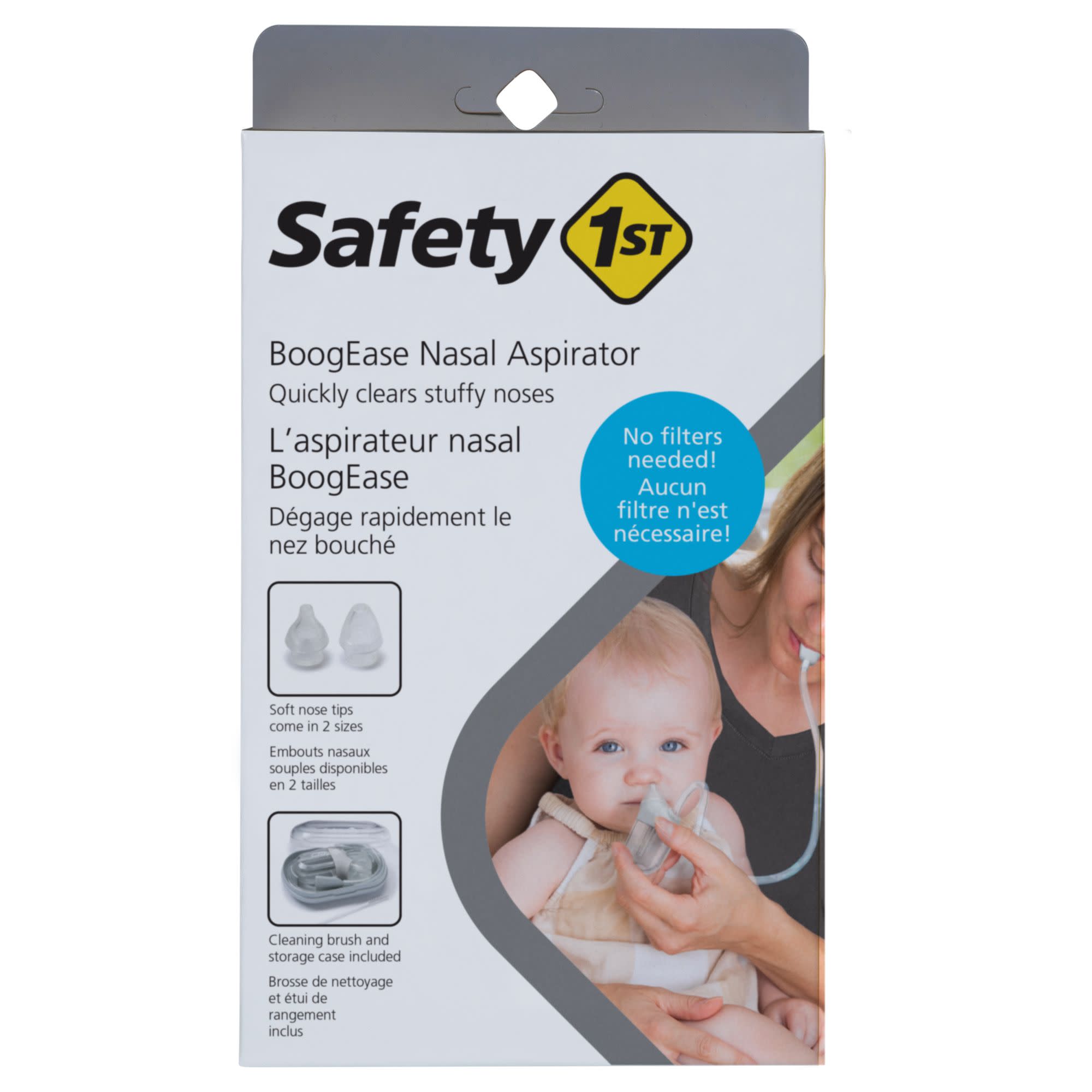
A bulb syringe that actually opens for thorough cleaning
The Safety 1st Easy Clean separates itself from standard hospital bulb syringes by twisting open for complete internal cleaning — a real hygiene advantage, since trapped moisture in sealed bulbs breeds bacteria. While it won't replace the NoseFrida for serious congestion, it's a fine backup tool, great for the hospital bag, and the lowest-cost entry into nasal care.
Read the full Safety 1st Easy Clean Nasal Aspirator review →Pros
- Twist-open bulb enables thorough internal cleaning — unique among bulb syringes
- Under $7 — appropriate for the hospital bag or backup drawer
- No filters or accessories to replace
Cons
- Bulb syringe suction is significantly weaker than mouth-powered or electric options
- Requires good technique to use effectively on small infants
Score Breakdown
Safety8.8Value9.8Ease8.5Quality7.5Specs
- Type
- Bulb syringe
- Openable
- Yes
- Material
- BPA-free plastic
Nasal Aspirators Buying Guide
Why is a nasal aspirator a newborn essential?
Babies can’t blow their noses — and for the first months they strongly prefer breathing through them, which turns ordinary congestion into miserable feeds and broken sleep. A good aspirator (paired with saline) is the tool that fixes what medicine can’t: the AAP’s guidance for infant congestion is exactly this combination, since cold medicines aren’t recommended for young children. The design differences — parent-powered suction versus electric, cleanability, filters — are the whole ranking.
What to look for
Saline first, always
The aspirator’s effectiveness doubles with saline drops or spray a minute beforehand — softening what you’re about to remove. Pediatric guidance treats saline-plus-suction as the core congestion protocol; buy them together.
Parent-powered versus electric
Parent-powered tube aspirators offer controllable, surprisingly strong suction with nothing to charge; electrics trade some power for one-handed convenience and speed on a squirmy baby. Households commonly end up with one of each.
Cleanability you’ll actually do
This device meets mucus daily during colds. Fully disassemblable, dishwasher-safe or easily rinsed parts determine whether it stays hygienic — inspect the cleaning steps before buying.
Hygiene barriers
Tube-style aspirators use filters that block anything reaching the parent (replaceables are cheap; stock them). Electrics avoid the issue entirely — a genuine squeamishness accommodation.
Gentle tips and safe depth
Look for soft, wide tips designed to seal at the nostril without inserting deep — the design itself should make correct, gentle use the default.
Noise and speed
Electric models vary in motor noise, and a scary sound defeats the purpose. Quieter units and fast sessions keep the baby’s cooperation — such as it ever is.
Our shortlist of 5
- #1 NoseFrida The Snotsucker — Best Overall
- #2 oogiebear Nose & Ear Picker — Best for Dried Boogers
- #3 Nosiboo Pro Electric Nasal Aspirator — Best Electric
- #4 Baby Elefant Electric Nasal Aspirator — Best Budget Electric
- #5 Safety 1st Easy Clean Nasal Aspirator — Best Basic Option
Frequently Asked Questions
How often can I suction my baby’s nose?
The common pediatric guidance: a few times a day as needed — typically before feeds and sleep, when congestion does the most damage — rather than constantly, since over-suctioning can irritate nasal tissue and increase swelling. Saline first, gentle suction second, and if congestion comes with fever, feeding refusal, or breathing effort, that’s a pediatrician call rather than a suction schedule.
Are electric aspirators safe for newborns?
The reputable ones are designed for infant use with sealed-at-the-nostril tips and suction in a safe range — used per instructions, they’re considered safe from birth. The practical safety layer is technique regardless of type: soft tip at the nostril opening (never deep), short gentle sessions, and stopping if you see irritation. A ranked device used correctly beats any device used aggressively.
Bulb syringe, tube aspirator, or electric — which works best?
The classic bulb is cheap but weak and famously uncleanable inside. Parent-powered tube aspirators are the effectiveness pick — controllable, strong, fully cleanable — at the cost of the concept taking getting used to. Electrics are the convenience pick for speed and one-handed use. Most families’ endgame: a tube style at home, and whichever travels better in the diaper bag.
Our Ranking Methodology
Aspirators were evaluated on suction effectiveness and mucus clearance, hygiene design and ease of cleaning, ease of use for caregiver, and value.
Learn more about how we test and score →