
Best Pacifiers of 2026
We researched and evaluated the top pacifiers on nipple design, material safety, acceptance rates, and special needs options including cleft palate-compatible designs.
Filter Results
Filter Results
Showing 5 of 5 results
- 1
9.1
Best Overall$9 (2-pack)Best Overall
Best Overall
$9 (2-pack)at Direct
- Distributed in most US hospital NICUs and newborn nurseries
- One-piece silicone construction — no parts to come apart or choke on
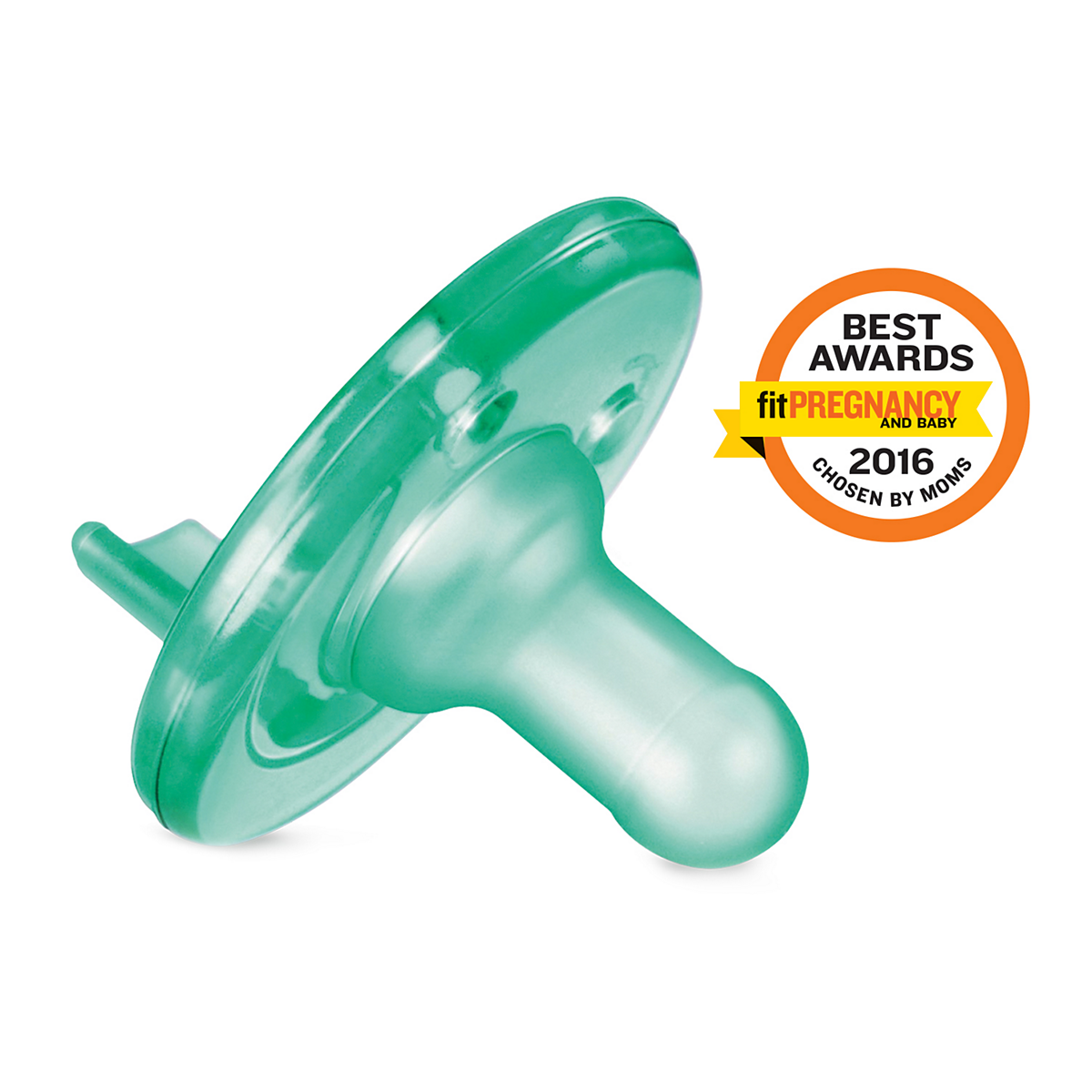
The hospital pacifier trusted by NICUs nationwide
The Philips Avent Soothie is the pacifier distributed in most US hospital NICUs and newborn nurseries — that clinical endorsement is unmatched. Its one-piece silicone design has no parts that can separate, and the symmetrical nipple is comfortable for newborns still learning to suck. At under $10 for a 2-pack, it's the logical first choice for new parents.
Read the full Philips Avent Soothie Pacifier review →Pros
- Distributed in most US hospital NICUs and newborn nurseries
- One-piece silicone construction — no parts to come apart or choke on
- Widely accepted by newborns; works for breastfed and bottle-fed babies
Cons
- Symmetrical nipple shape is not orthodontically shaped for long-term use
- No built-in clip attachment for fastening to clothing
Score Breakdown
Safety9.8Value9.5Ease9.2Quality9.0Specs
- Material
- One-piece silicone
- Shape
- Round/symmetrical nipple
- Sizes
- 0–3 months, 3–6 months
- Sterilizable
- Yes
- Bpa Free
- Yes
- 2
8.9
$15 (2-pack)Best Self-Sterilizing
Best Self-Sterilizing
$15 (2-pack)at Direct
- Self-sterilizing travel case — just add water and microwave for 3 minutes
- Flat orthodontic nipple shape recommended by pediatric dentists
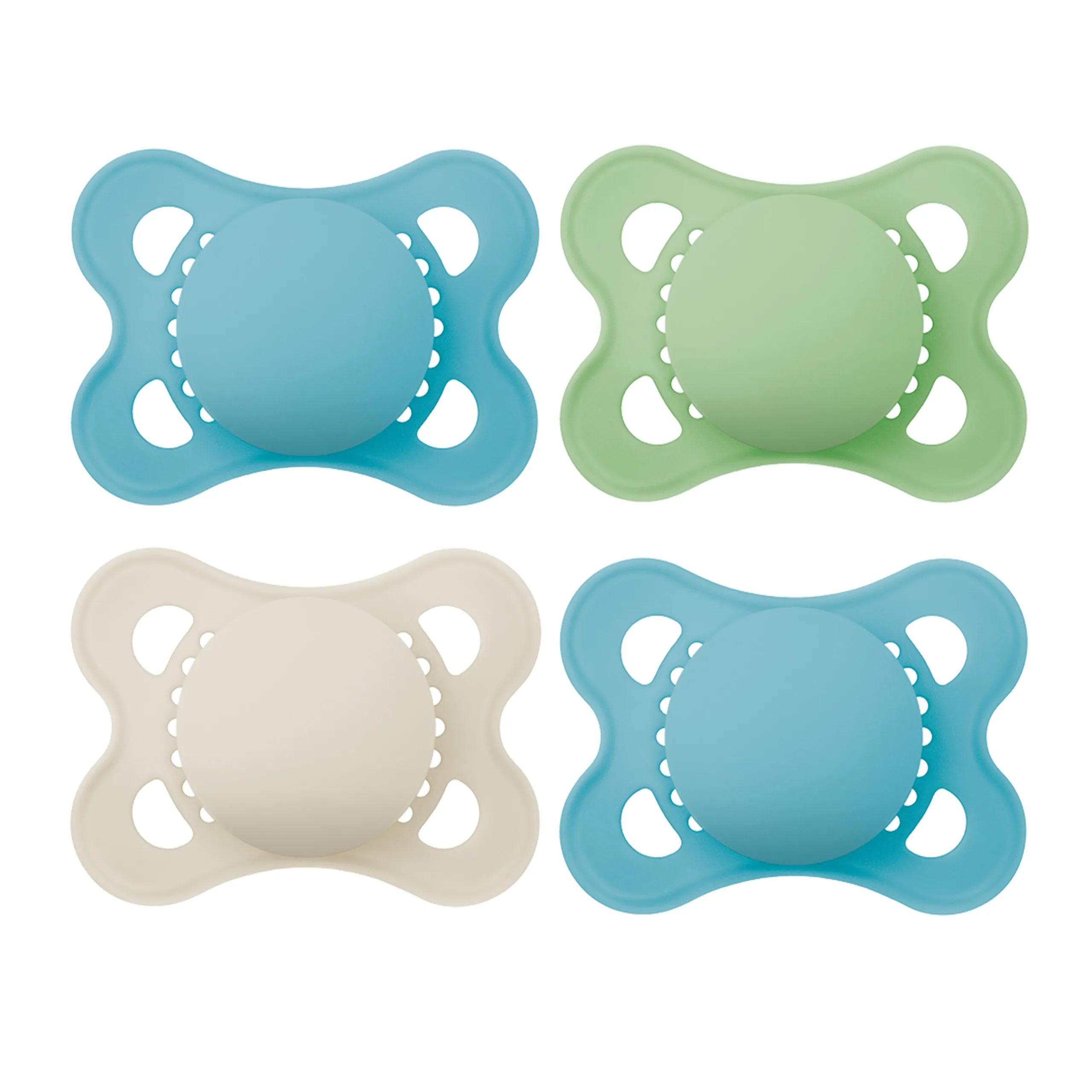
Self-sterilizes in its own case in just 3 minutes
MAM's Original is the top-selling pacifier in Europe and has developed a devoted following in the US for its remarkable acceptance rate. The flat orthodontic nipple follows the natural contour of the palate, and the self-sterilizing travel case is genuinely useful on the go. Pediatric dentists frequently recommend it for ongoing use.
Read the full MAM Original Pacifier review →Pros
- Self-sterilizing travel case — just add water and microwave for 3 minutes
- Flat orthodontic nipple shape recommended by pediatric dentists
- Exceptionally high acceptance rate across breastfed and bottle-fed babies
Cons
- Slightly higher price than other orthodontic options
- Two-piece design requires periodic inspection for separation
Score Breakdown
Safety9.5Value8.8Ease9.4Quality9.0Specs
- Material
- Silicone nipple, polypropylene shield
- Shape
- Flat orthodontic
- Sizes
- 0–6 months, 6–16 months
- Self Sterilizing
- Yes
- Bpa Free
- Yes
- 3
8.7
$13 eachBest Natural Material
Best Natural Material
$13 eachat Direct
- Natural latex rubber nipple preferred by many breastfed babies
- Classic round shape similar to breastfeeding latch position
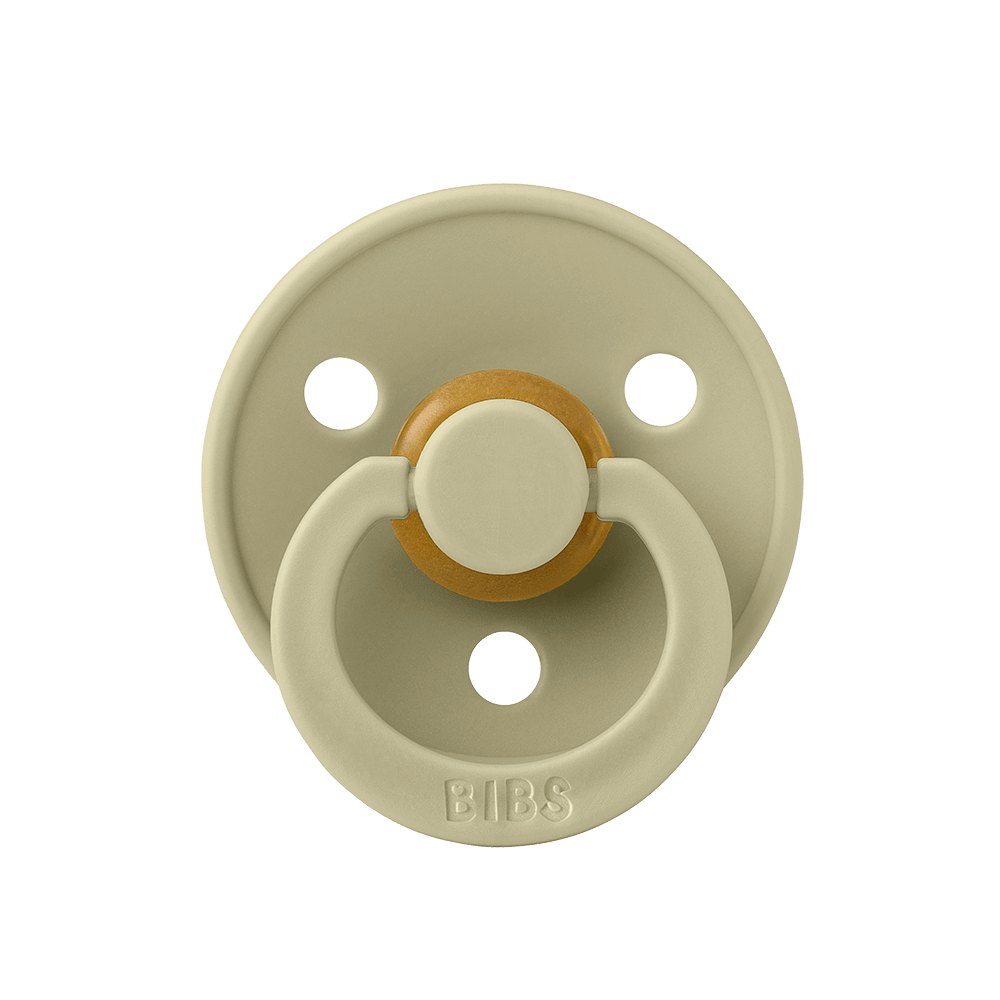
Danish natural rubber design trusted since 1978
BIBS pacifiers from Denmark have used the same classic round cherry nipple since 1978 — a shape that breastfed babies tend to accept most readily due to its resemblance to a natural breast. The natural rubber is softer and more flexible than silicone. They've become a favorite of style-conscious parents and genuinely work well for most babies.
Read the full BIBS Natural Rubber Pacifier review →Pros
- Natural latex rubber nipple preferred by many breastfed babies
- Classic round shape similar to breastfeeding latch position
- Iconic Scandinavian design — widely popular among parents
Cons
- Natural rubber degrades faster than silicone — inspect regularly
- Not suitable for babies with latex allergies
Score Breakdown
Safety9.3Value8.5Ease8.8Quality9.2Specs
- Material
- Natural rubber (latex) nipple, polypropylene shield
- Shape
- Round cherry nipple
- Sizes
- Size 1 (0–6 months), Size 2 (6+ months)
- Latex Free
- No
- Bpa Free
- Yes
- 4
8.6
$12 (2-pack)Best Orthodontic
Best Orthodontic
$12 (2-pack)at Direct
- Orthodontic nipple designed to protect jaw and palate development
- Air circulation holes in shield prevent drool rash and skin irritation
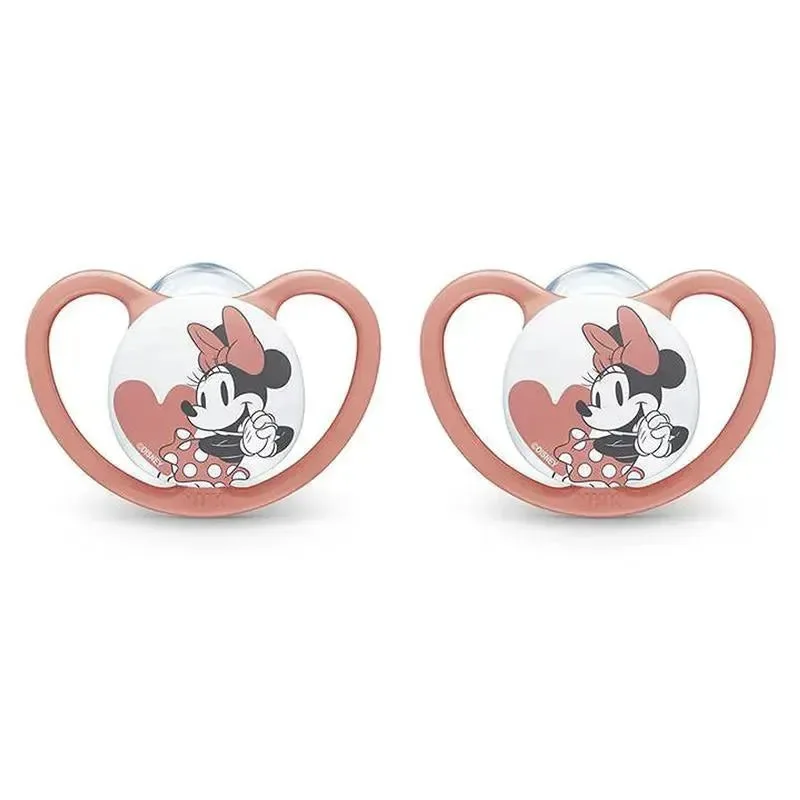
Dentist-designed air-flow shield prevents drool rash
NUK Space pacifiers are designed by orthodontic specialists with air circulation holes in the shield to prevent the drool rash seen with solid-shield designs. The flat asymmetric nipple follows the natural contour of the palate and is one of the most consistently recommended designs by pediatric dentists for babies who use pacifiers long-term.
Read the full NUK Space Orthodontic Pacifier review →Pros
- Orthodontic nipple designed to protect jaw and palate development
- Air circulation holes in shield prevent drool rash and skin irritation
- Flexible shield conforms to baby's face contours
Cons
- Angled orthodontic nipple is not accepted by all babies
- Air holes in shield make wiping less thorough than solid-shield options
Score Breakdown
Safety9.2Value9.0Ease9.0Quality8.7Specs
- Material
- Silicone
- Shape
- Orthodontic flat nipple
- Air Holes
- Yes
- Sizes
- 0–6 months, 6–18 months
- Bpa Free
- Yes
- 5
9.0
$30Best for Cleft Palate
Best for Cleft Palate
$30at Direct
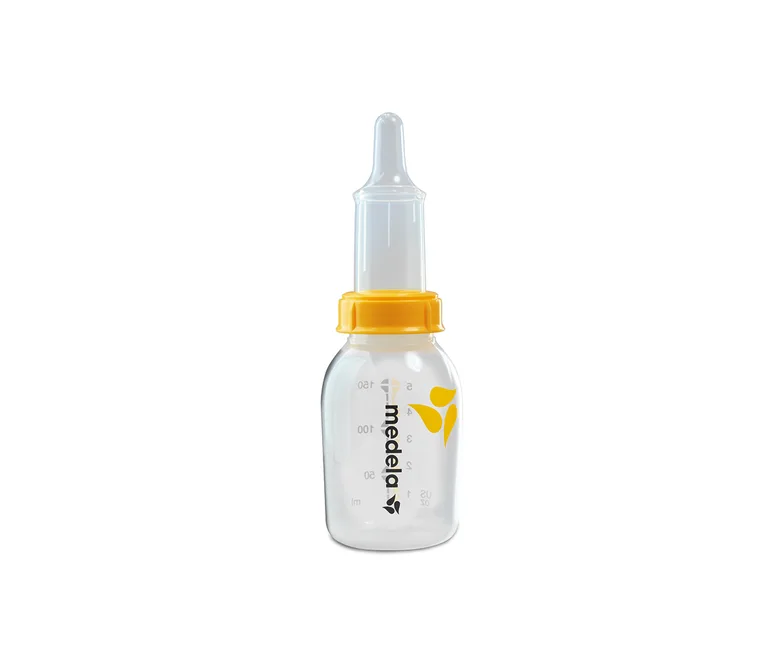
- Designed specifically for cleft palate, cleft lip, and low muscle tone
- Squeezable bottle lets caregiver control milk flow when baby cannot create suction
The clinical standard for babies with cleft palate or feeding difficulties
The Medela Special Needs Feeder (formerly the Haberman Feeder) is the most widely recommended feeding system for infants with cleft palate, cleft lip, or oral-motor challenges that prevent normal suction. The slit nipple releases milk when compressed — allowing babies who cannot create negative pressure to feed successfully. It is the clinical standard recommended by craniofacial surgeons and SLPs. If your baby has a confirmed cleft palate or lip, this is the essential first tool.
Read the full Medela Special Needs Feeder review →Pros
- Designed specifically for cleft palate, cleft lip, and low muscle tone
- Squeezable bottle lets caregiver control milk flow when baby cannot create suction
- Recommended by craniofacial surgeons and speech-language pathologists worldwide
Cons
- Not suitable for babies without feeding difficulties — flow can be too fast
- Squeezing technique has a learning curve for caregivers
Score Breakdown
Safety9.8Value8.5Ease8.3Quality9.5Specs
- Type
- Specialty feeding system
- Design
- Squeezable bottle + slit nipple
- Indication
- Cleft palate, cleft lip, low muscle tone, tongue tie
- Bpa Free
- Yes
Pacifiers Buying Guide
Why offer a pacifier?
Sucking is one of the few self-soothing tools a young baby has, and a pacifier puts it on demand — settling fussy stretches, easing car rides, and helping babies drift off. There’s a safety bonus too: the American Academy of Pediatrics notes that pacifier use at nap time and bedtime is associated with a reduced risk of SIDS. The differences between pacifiers — shape, material, how they’re built — are small but real, and babies have strong opinions.
What to look for
One-piece construction
A pacifier molded as a single piece has no joints to separate and no parts to become loose. It’s the design NICUs favor and the safest default for young babies.
Nipple shape
Rounded, orthodontic, and cylindrical nipples all have loyal fans — your baby is the judge. Orthodontic shapes are designed to flatten against the palate the way dentists prefer.
Material
Medical-grade silicone is durable, dishwasher-safe, and hypoallergenic; natural rubber is softer and more breast-like but wears faster — and matters if latex allergy runs in the family.
Correct size for age
Pacifiers come in age-banded sizes, and an outgrown pacifier is both less satisfying and less safe. Move up as your baby grows.
Shield ventilation
Holes or cutouts in the shield let air reach the skin and help prevent drool rash around the mouth.
Easy sterilizing
You’ll be cleaning these constantly. Dishwasher-safe silicone and self-sterilizing case designs turn a chore into a non-event.
Our shortlist of 5
- #1 Philips Avent Soothie Pacifier — Best Overall
- #2 MAM Original Pacifier — Best Self-Sterilizing
- #3 BIBS Natural Rubber Pacifier — Best Natural Material
- #4 NUK Space Orthodontic Pacifier — Best Orthodontic
- #5 Medela Special Needs Feeder — Best for Cleft Palate
Frequently Asked Questions
When can I introduce a pacifier?
For bottle-fed babies, anytime. If you’re breastfeeding, the American Academy of Pediatrics suggests waiting until nursing is well established — usually around 3–4 weeks — before introducing one, then offering it at sleep times for the SIDS-reduction benefit.
Will a pacifier ruin my baby’s teeth?
Not in the first couple of years — dental effects are mainly a concern with persistent use as kids get older. Pediatric dentists generally recommend winding down pacifier use by around age 3, and orthodontic shapes are designed to minimize pressure on the palate in the meantime.
How often should pacifiers be replaced?
Inspect frequently and replace at the first sign of wear — tears, stickiness, or a nipple that has gone cloudy or misshapen. Natural rubber wears faster than silicone, and any pacifier that has survived a teething chew session deserves a close look.
Our Ranking Methodology
Pacifiers were evaluated on nipple shape and orthodontic design, material safety and durability, ease of cleaning and sterilization, special needs compatibility, and value.
Learn more about how we test and score →