
Best Breast Pumps for Pregnancy 2026: Top 5 Picks
August 14, 2026 · ParentRankings Editors
Our Top Pick
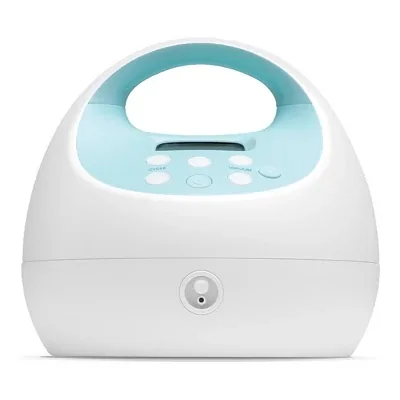
Spectra S1 Plus
The Spectra S1 Plus earns its top spot by combining hospital-grade suction, a natural two-phase cycling pattern, and a built-in rechargeable battery into the pump that lactation consultants recommend more than any other.
Medela's November 2025 launch of its lightest wearable pump yet is a signal, not just a product announcement. It tells you that this category is moving fast, and that third-trimester moms shopping right now have more genuinely good options than any previous generation of parents. Wearable in-bra pumps have gone from novelty to practical. Insurance coverage has expanded. Hospital-grade suction is no longer locked behind a hospital rental. The landscape has changed enough in the past year that a pump your sister swears by from 2022 may no longer be the obvious answer.
That evolution is exciting, and also a little exhausting when you're 32 weeks pregnant and just want someone to tell you what to buy. We get it. We've tested pumps through newborn haze, NICU stress, back-to-work transitions, and the particular chaos of pumping while also wrangling a toddler who has decided now is a great time to need a snack. We ranked five of the best breast pumps of 2026 across comfort, portability, suction power, and real-world ease of use so you can make a confident call before your due date, not after.
One thing worth saying upfront: the right pump depends on your life, not just on specs. A whisper-quiet wearable is a revelation for a mom pumping in conference rooms. It's overkill for someone who works from home and just needs reliable output twice a day. Our picks cover the full range, and we'll tell you exactly which one fits which situation.
What to Look for in a Breast Pump: How We Scored Every Pick
Suction power and cycling pattern are where we started, because they're where your milk supply starts. Peak suction matters, but so does how a pump delivers that suction. The best pumps use a two-phase approach: a faster stimulation phase to trigger letdown, followed by a slower, deeper expression phase that mimics how a baby actually nurses. Pumps that skip or shortcut this pattern tend to produce less milk with more discomfort, which is a bad combination in the early weeks when supply is still establishing itself.
Comfort for first-time users got weighted heavily because a pump you dread is a pump you'll quietly abandon by week three. We looked at how much flange flexibility each pump offers, how granular the suction controls are, and how forgiving the learning curve feels. First-time moms have no reference point for what pumping should feel like, so the pump needs to do more of the work of getting it right.
Portability and hands-free design are not the same thing, and we scored them separately before combining them. Battery life matters if you're moving around the house or traveling. A truly wearable, in-bra design matters if you need to pump while doing something else entirely. "Hands-free" on a spec sheet sometimes means "technically, if you hold very still." We were not impressed by technicalities.
Insurance coverage and overall value are genuinely part of the decision. Under the ACA, most insurance plans are required to cover a breast pump at no cost to you, but coverage varies by model and by insurer. A pump that retails for $160 and gets covered at 100% is a better financial outcome than a $200 pump your plan only partially covers. We factored in how commonly each pick gets approved, what you'd pay out of pocket, and how well the parts ecosystem holds up over a long pumping journey.
Ease of use and setup sounds like a soft criterion until you're assembling a pump at 3 a.m. with one hand and a baby on your chest. We scored each pump on how intuitive the parts are to connect, how easy everything is to clean, and whether the controls are simple enough to operate without your reading glasses or a YouTube tutorial.
Who Should Buy
If you want the pump that lactation consultants recommend most and that performs best in those critical early weeks of supply establishment, our top pick is the clear answer. Its two-phase cycling, strong closed-system suction, and built-in rechargeable battery make it the gold standard for a reason, and it's frequently covered by insurance, which makes the decision even easier.
If you're heading back to work or need to pump discreetly in public, our runner-up is worth every penny of its premium price. The fully wearable, in-bra design and near-silent motor mean you can pump during a meeting or a commute without anyone being the wiser. The freedom that buys you is real.
If you want a time-tested workhorse with the most accessible parts ecosystem in the business, our best value pick is the practical choice. Replacement flanges, bottles, and accessories are available at virtually every pharmacy and big-box store, which matters more than you'd think when something cracks at 11 p.m. the night before you go back to work.
If getting your pump fully covered by insurance is the priority, our insurance-friendly pick is the one to request. It's one of the most commonly approved models across major plans and delivers closed-system hygiene and solid suction at a price that's hard to argue with even if you're paying out of pocket.
And regardless of which electric pump you choose, add our manual pick to your cart. At $30, it's the easiest upgrade in this entire category. It attaches to the opposite breast during nursing and collects letdown milk passively, recovering output that would otherwise just disappear into a nursing pad. It requires zero effort and pays for itself the first week.
More Picks We Love
Our full ranking, scored by our editorial team on safety, value, ease of use, and quality.
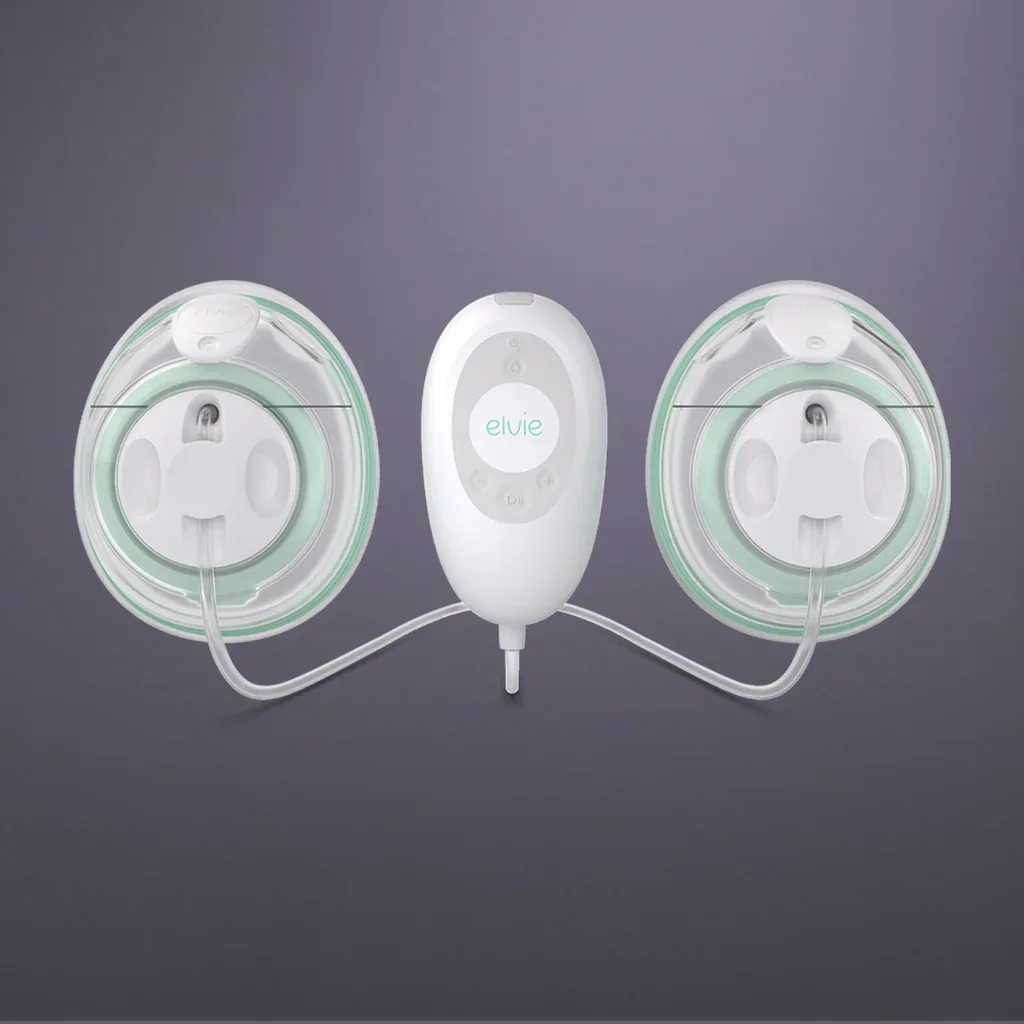
Elvie Stride
The Elvie Stride is the best choice for working and on-the-go moms who need a fully wearable, whisper-quiet pump that disappears under clothing and tracks sessions automatically.

Medela Pump In Style with MaxFlow
The Medela Pump In Style with MaxFlow is the most practical everyday workhorse in the lineup, backed by decades of clinical research and the widest parts ecosystem of any pump on this list.
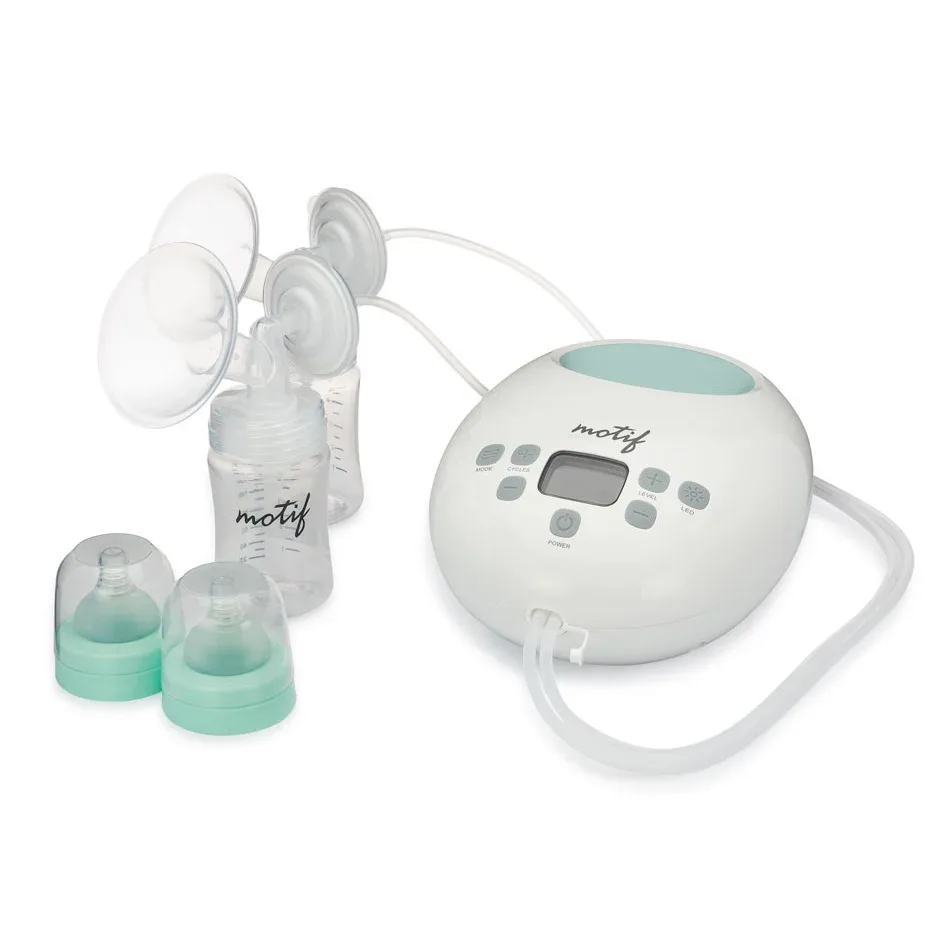
Motif Luna Double Electric Breast Pump
The Motif Luna is the smartest pick for insurance-conscious moms — its closed-system design, rechargeable battery, and strong suction rival pumps costing twice as much, and it's one of the easiest to get covered at 100%.
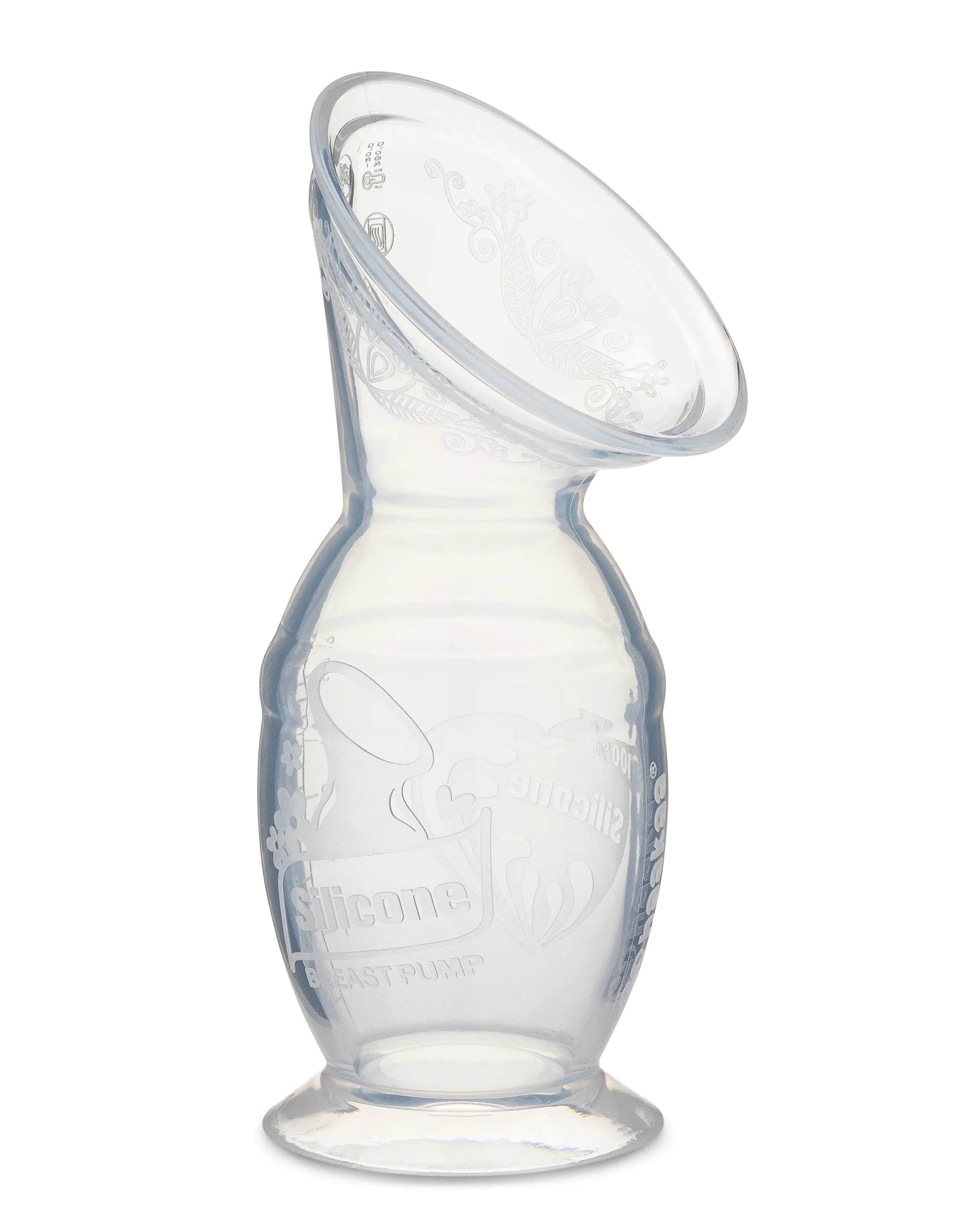
Haakaa Silicone Breast Pump
The Haakaa isn't a traditional pump — it's a $30 passive collection device that attaches during nursing to capture letdown milk that would otherwise be lost, and virtually every breastfeeding mom benefits from owning one alongside their electric pump.
Frequently Asked Questions
Does insurance cover breast pumps, and how do I get mine before the baby arrives?▾
Under the Affordable Care Act, most insurance plans are required to cover a breast pump at no additional cost to you. Coverage details vary by plan — some cover only specific models, while others offer a set dollar amount toward any pump. Contact your insurance provider directly or use a durable medical equipment (DME) supplier your insurer works with, and order during your third trimester so the pump arrives before your due date. The Motif Luna is one of the most commonly covered models at 100% through major plans.
What is the difference between a hospital-grade pump and a personal-use pump?▾
Hospital-grade pumps are designed for multiple users, feature stronger and more consistent suction motors, and are typically rented rather than purchased. Personal-use pumps like the Spectra S1 Plus are designed for a single user but can still deliver near-hospital-grade suction for most moms. Unless you have a specific medical need — such as a premature baby or low supply — a high-quality personal pump like the Spectra is sufficient for the vast majority of breastfeeding journeys.
When should I start using a breast pump after my baby is born?▾
Most lactation consultants recommend waiting until breastfeeding is well established — typically around three to four weeks postpartum — before introducing a pump, unless you have a specific reason to pump earlier such as a NICU stay, latch difficulties, or returning to work sooner. Pumping too early can sometimes interfere with supply regulation. That said, having your pump unboxed, assembled, and ready before birth means you won't be scrambling to figure it out in those exhausted early days.
Are wearable breast pumps as effective as traditional electric pumps?▾
Wearable pumps like the Elvie Stride have improved significantly and are effective for most moms with an established milk supply. However, traditional electric pumps like the Spectra S1 Plus generally produce stronger and more consistent suction, which can be important during the early weeks when you're working to establish supply. Many moms use a traditional pump at home for primary sessions and a wearable pump for convenience during work or travel — a combination approach that gets the best of both worlds.
What flange size do I need, and does it really matter?▾
Flange size matters more than most first-time moms realize — an incorrect fit is one of the most common reasons pumping feels uncomfortable or produces low output. The flange tunnel should fit snugly around your nipple with about 1–2mm of space on each side; your nipple should move freely without the surrounding areola being pulled in. Most pumps come with one or two standard sizes, but many brands sell additional sizes separately. If you're unsure, a certified lactation consultant (IBCLC) can measure your nipple diameter and recommend the right fit before your baby arrives.
Ready to compare all options?
See every breast pumps ranked by our editors — scored on safety, value, ease of use, and quality.
See all 5 Best Breast Pumps ranked →