
How to Choose Formula After Abbott's $385M Settlement
September 16, 2026 · ParentRankings Editors
Our Top Pick
Similac Pro-Advance
The nationwide-restock pick when you need a currently sold, easy-to-find FDA-regulated formula after settlement headlines, not a panic dump of every can.
On September 14, 2026, the U.S. Department of Justice announced that Abbott Laboratories agreed to pay about $384,999,040 (roughly $385 million) to resolve civil False Claims Act allegations tied to powdered infant formula and nutritional products manufactured at its Sturgis, Michigan, and Casa Grande, Arizona, facilities between 2018 and 2022. The DOJ materials connect the claims to the same Sturgis manufacturing era that drove the 2022 powdered-formula recall and Cronobacter concerns. Under the settlement, about $348.7 million goes to the United States and about $36.3 million to certain state Medicaid and WIC programs. Relators (whistleblowers) are set to receive about $69 million of the federal share, according to DOJ.
Abbott's own statement says the agreement resolves claims related to the 2022 infant formula recall, that the settlement is not an admission of fault or liability, and that the related criminal investigation has been closed. DOJ likewise notes that the claims resolved by the settlement are allegations only and that there has been no determination of liability.
This news is a civil settlement about past manufacturing and government payment claims. It is not, by itself, a brand-new 2026 product pull of every Similac can on today's grocery shelf. Parents still deserve a calm checklist: what the settlement is and is not, how to verify recalls and lot codes if you are worried, when to talk to a pediatrician before switching, and how to choose among currently sold FDA-regulated formulas without panic-hoarding or gray-market imports.
This guide is by the ParentRankings Editorial Team. Ranked by parents. For parents. We may be paid by companies we feature. This may influence rankings. Full shortlist for everyday formula shopping: Best Baby Formula.
Why this is a how-to, not another Top 5
Category pages already own the Best shortlists. Parents reading settlement headlines need an action sequence:
- Separate a civil False Claims Act resolution from an active shelf-wide recall of current cans.
- Check FDA recall pages and lot codes if a specific can worries you, instead of dumping every working can overnight.
- Talk to a pediatrician before specialty switches (hypoallergenic, extensively hydrolyzed, metabolic) driven by fear rather than symptoms.
- Avoid hoarding and unvetted imports that create their own shortage and safety risks.
- Register brands for recall alerts, then choose a currently sold FDA-regulated formula you can actually buy week after week.
The five product cards later in this post illustrate those shopping decisions after the news peg. They are not a second copy of the category ranking as the post's primary job. The primary job is what to do this week.
Step-by-step: what to do this week
1. Read the settlement for what it is (and is not)
The DOJ announcement is about allegations that Abbott caused false claims between January 1, 2018, and December 31, 2022, related to powder infant formula and nutritional therapy products from Sturgis and Casa Grande that allegedly failed to meet statutory, regulatory, and contractual requirements. Federal programs and state Medicaid/WIC claims are part of the resolution. That is serious public-accountability news about a past manufacturing period.
It is not an automatic instruction to throw out every unopened can of currently sold Similac in your pantry tonight. Settlement coverage and company statements describe resolution of claims relating to the 2022 recall era. Current retail formula still has to meet FDA infant-formula requirements to be sold legally in the United States. Treat headlines as a prompt to verify status, not as a substitute for the FDA recall page.
2. Check FDA recall pages and lot codes if you are worried about a specific can
If a can in your home is old, unlabeled, or from a period that makes you uneasy:
- Find the lot code and "use by" date on the can.
- Check current FDA infant-formula recall and safety pages for active notices that match that product and lot.
- Follow the exact disposal or return instructions on any notice that applies to your can.
- If nothing matches, you do not need to invent a recall. Keep using properly stored, in-date formula per the label and your pediatrician's feeding plan.
Do not rely on screenshot threads or marketplace rumors as your source of truth. Lot-level matches beat brand-level panic.
3. Talk to a pediatrician before specialty switches
Gas, spit-up, and fussy evenings are common in newborns and are often not a formula failure. A settlement headline is also not a clinical diagnosis. Call your pediatrician before you jump to hypoallergenic, extensively hydrolyzed, or other specialty formulas if the driver is fear from news rather than poor weight gain, blood in stool, projectile vomiting, marked distress, or other red flags your clinician has already discussed with you.
For ordinary cow's-milk formulas that meet FDA rules, many babies can switch with a short adjustment period. Give a new standard formula one to two weeks before judging, unless your clinician says otherwise. Specialty paths belong with medical advice, not with a ranking page.
4. Do not hoard, and be careful with gray-market imports
The 2022 shortage taught a hard lesson: panic buying empties shelves for other families and does not make your baby safer. Buy a sensible buffer for your feeding plan, not a closet full of cans "just in case the news gets worse."
Imported European formulas can be legitimate products abroad and still be a weak fit for last-minute U.S. shopping if shipping delays, labeling differences, or unverified sellers are in the mix. If you choose an import path, use reputable channels, plan lead time, and keep a backup FDA-regulated option you can buy locally. Do not treat anonymous resellers as a safety upgrade over regulated U.S. retail.
5. Register brands and keep one calm shopping plan
Register with the brands you use (and with retailer accounts if they offer recall alerts) so notices reach you by email instead of by social media. Then write down a simple plan:
- Primary formula you can buy this week at a store or through a subscription you trust.
- One backup formula your pediatrician is fine with if the primary is out of stock.
- Where you will check FDA pages if a new notice appears.
That plan beats reacting to every headline with a full brand swap.
What to look for when choosing formula calmly after settlement headlines
We score formulas on nutritional profile on top of the FDA floor, ingredient choices, reported digestibility context, U.S. retail or reputable-channel availability, and cost per prepared ounce. After settlement news, map those scores to practical questions:
- Regulatory floor first: Every infant formula legally sold in the U.S. must meet the same FDA nutrient and safety requirements. AAP guidance treats regulated store brands as nutritionally equivalent options even when they are not on our five-item shortlist.
- Availability you can sustain: A "perfect" can you cannot find next Tuesday is a poor primary. Nationwide grocery and pharmacy reach still matters after supply scares.
- Ingredient preferences without panic: Organic certification, lactose vs other carbs, HMOs, MFGM, and pre/probiotics are real preference and score dimensions. They are not a reason to dump working formula without a plan.
- Cost per prepared ounce: Compare prepared-ounce cost, not only sticker price per can. Settlement headlines should not push you into the most expensive option by default.
- Channel trust: Prefer major retail, brand sites, and known subscription programs over unverified imports when you need reliability this week.
Five checks that sit outside a single score
- Confirm whether any FDA notice applies to the exact lot in your pantry before you discard product.
- Ask your pediatrician before specialty switches driven by headlines.
- Keep a written primary-plus-backup list so one stockout does not become a crisis.
- Avoid hoarding that recreates shortage dynamics for other parents.
- Use our baby formula shortlist as a calm comparison tool, not as proof that only five formulas exist in the market.
We do not invent clinicians, parent testimonials, or credentials. Scores come from the methodology on the category page and the ranking data behind the cards.
Who should pick which formula after the checklist
Need the easiest nationwide restock after a scary headline week. Start with Similac Pro-Advance. It is our Best Overall card for 2'-FL HMO plus near-universal U.S. retail reach. Settlement news about past Sturgis-era allegations is not the same thing as a current shelf-wide ban on every Similac SKU. If your pediatrician is fine with it and the can in front of you is in-date with no matching recall lot, availability is a practical advantage. Tradeoff: corn syrup solids and not organic.
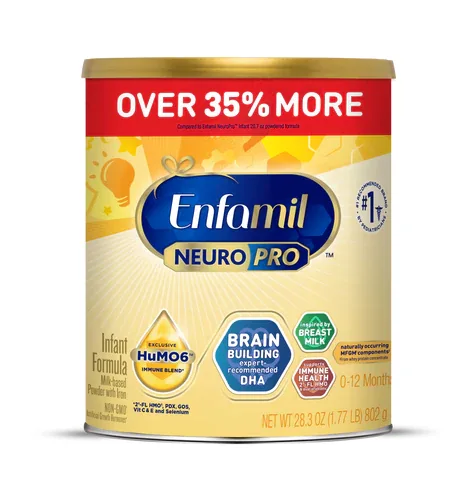
Want the MFGM plus DHA clinical angle and still need strong U.S. retail. Enfamil NeuroPro is the Runner-Up card. It helps families who want that specific nutrition story and can pay a bit more per can. Some sensitive babies get more gas; give it a fair trial and call your clinician if distress is real, not just news-driven second-guessing.
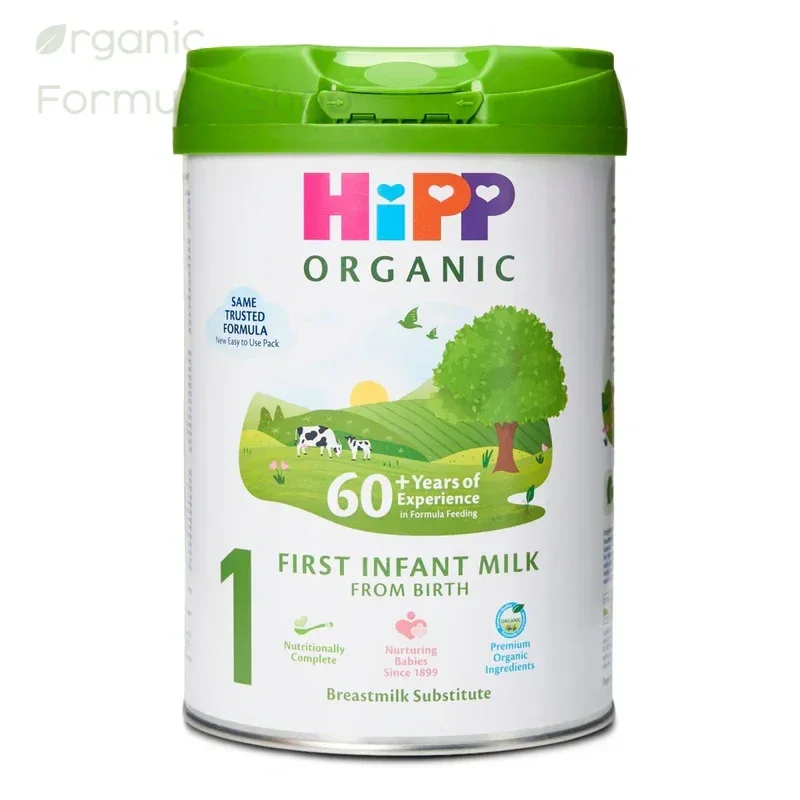
Prefer EU organic standards and can plan shipping lead time. HiPP Organic is the Best Value badge in our data for ingredient preferences (GOS plus probiotics, EU organic rules). It is import-only for most U.S. parents, so it is a weak panic-buy and a stronger planned primary if you already accept shipping cost and delay. Keep a local FDA-regulated backup.
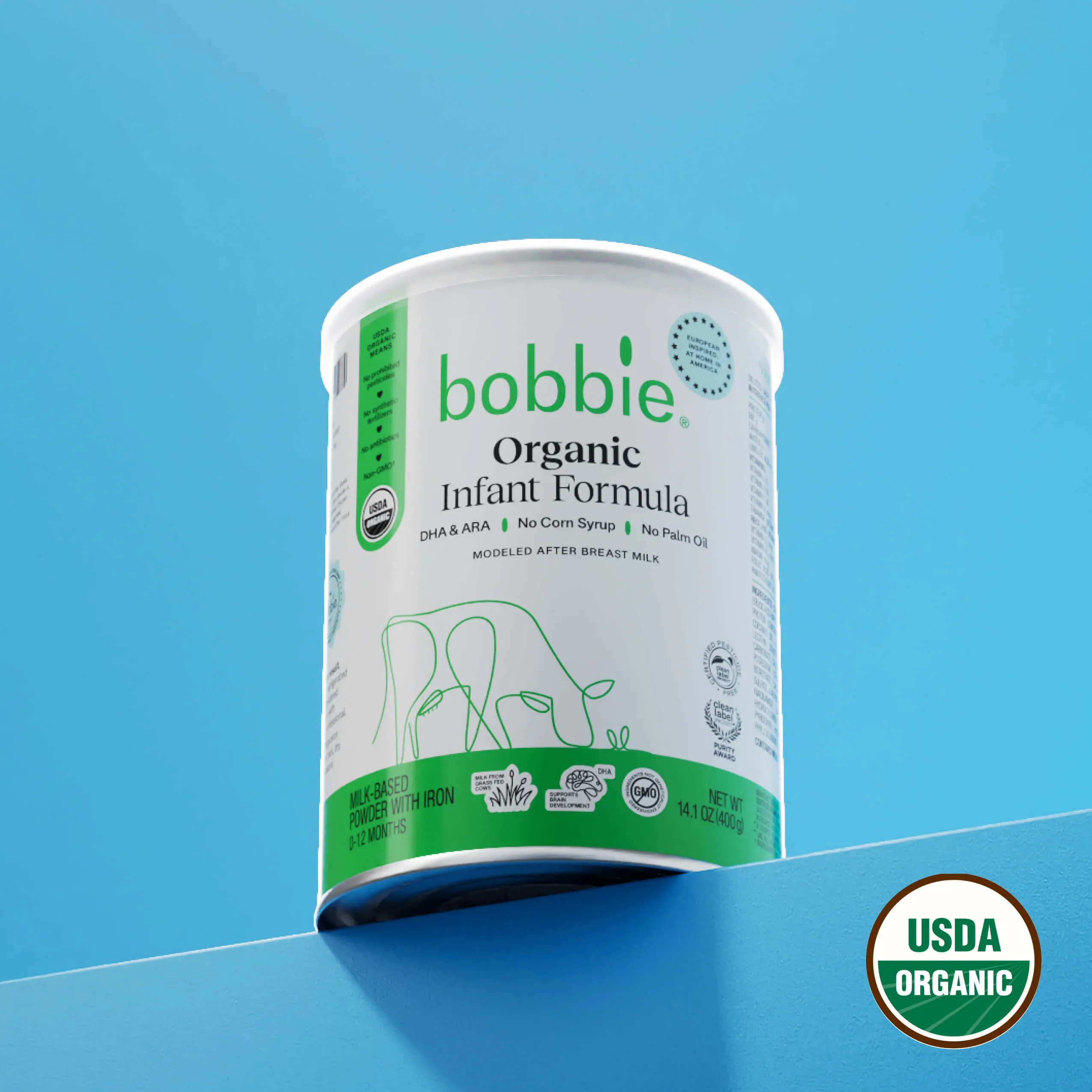
Want USDA organic with a cleaner U.S. label and subscription supply. Bobbie Organic fits parents who value no corn syrup / palm oil / carrageenan style lists and want subscription reliability after watching shortage coverage. Limited last-minute retail means you should not wait until the last scoop to reorder.
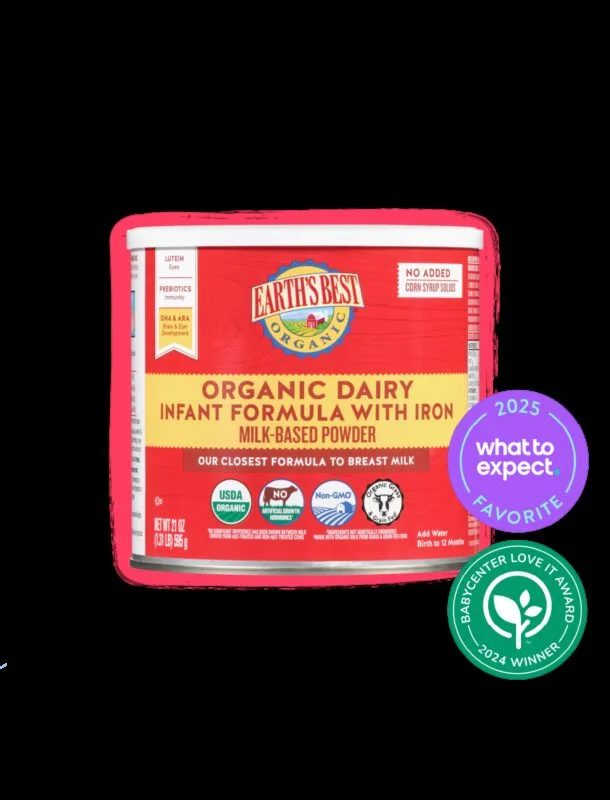
Want organic plus wide U.S. retail at a lower organic price point. Earth's Best Organic is the accessible organic card: Target, Walmart, Whole Foods, and major online retailers, with a lower price-per-can story than many organics. Tradeoffs include brown rice syrup as a carb source and fewer pre/probiotic extras than HiPP or Bobbie.
Sensible combos after settlement week: keep a working, in-date primary if no lot-level recall applies; add a backup you can buy locally; register for brand alerts; and only then change formulas for preference or clinician-directed reasons. Do not empty the pantry "because the news said $385 million."
Close the loop before the next feed
Save: lot-code photo, use-by date, FDA page you checked, pediatrician advice if you called, and your primary-plus-backup list. If a friend offers a bulk lot of unlabeled or gray-market formula "while shelves are crazy," decline. Regulated retail and clear labels beat anonymous stockpiles.
Settlements are legal and accountability events. Feeding decisions are daily operations. Separate the two, verify lots when worried, involve your pediatrician for specialty paths, and choose a currently sold FDA-regulated formula you can keep buying without drama. When you want the side-by-side shortlist, See all 5 Best Baby Formula ranked →.
More Picks We Love
Our full ranking, scored by our editorial team on safety, value, ease of use, and quality.
Enfamil NeuroPro
The MFGM+DHA option for parents who want that clinical nutrition angle while still shopping major U.S. retail after the news.
HiPP Organic
The planned EU-organic path when you already accept import lead time and keep a local FDA-regulated backup for stockouts.
Bobbie Organic
The USDA organic subscription pick when you want a cleaner U.S. label and supply planning after watching shortage-style panic.
Earth's Best Organic
The wide-retail organic value pick when you want organic on a Target/Walmart run without importing or waiting on a subscription box.
Frequently Asked Questions
Does Abbott's $385M settlement mean I must throw out all Similac formula?▾
No. The Sept 14, 2026 DOJ announcement is a civil settlement resolving False Claims Act allegations about powder formula and nutritionals from a 2018–2022 period at Sturgis and Casa Grande, tied to the 2022 recall era. It is not automatically a brand-new shelf-wide recall of every currently sold Similac can. Check FDA recall pages and your can's lot code if you are worried.
Did Abbott admit fault in the settlement?▾
Abbott states the agreement is not an admission of fault or liability and that the related criminal investigation has been closed. DOJ notes the claims resolved are allegations only and that there has been no determination of liability.
How do I check whether my formula can is affected by a recall?▾
Find the lot code and use-by date on the can, then compare against current FDA infant-formula recall and safety notices. Follow disposal or return instructions only when a notice matches your product and lot. Brand-level panic without a lot match is not a recall response.
Should I switch formulas because of this settlement news?▾
Not solely because of the headline. Keep using in-date, properly stored formula that has no matching recall lot unless your pediatrician advises a change. Talk to your clinician before specialty switches driven by fear rather than symptoms. If you do change standard formulas, plan a primary and a backup you can actually buy.
Is hoarding formula or buying gray-market imports a good idea right now?▾
No. Panic buying recreates shortage dynamics, and unverified imports add labeling and supply risk. Buy a sensible buffer, prefer regulated retail or reputable channels, and register brands for recall alerts instead of stockpiling unlabeled cans.
Ready to compare all options?
See every baby formula ranked by our editors — scored on safety, value, ease of use, and quality.
See all 5 Best Baby Formula ranked →