
How to Choose a Baby Breathing Monitor After the FDA Warning
September 10, 2026 · ParentRankings Editors
Our Top Pick
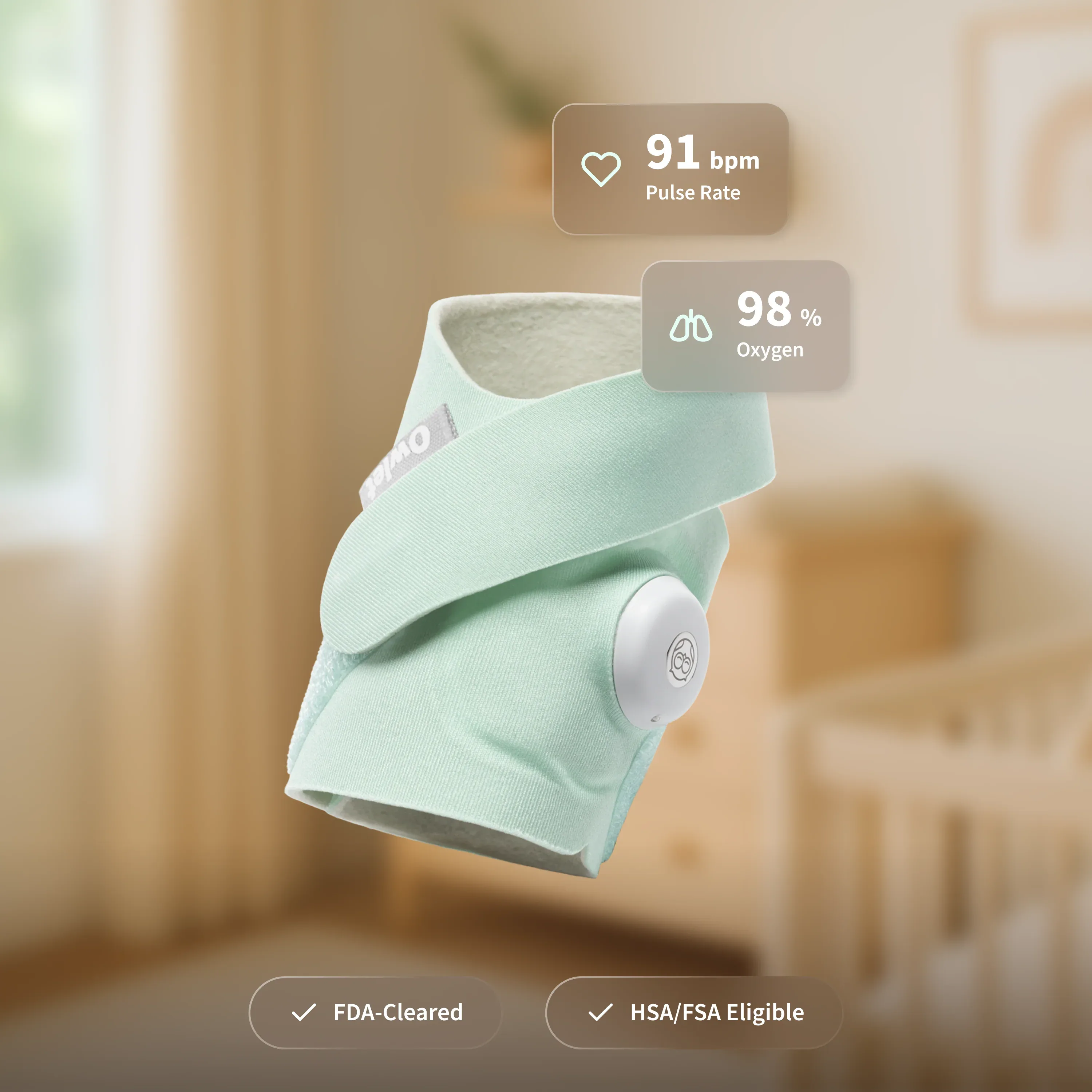
Owlet Dream Sock
The FDA-cleared SpO2 and heart-rate wearable on our shortlist when you specifically need vital-sign alerts and will keep safe sleep non-negotiable.
On September 16, 2025, the U.S. Food and Drug Administration issued a safety communication that still shapes how parents should shop this category: do not use unauthorized infant devices for monitoring vital signs. The agency warned that many over-the-counter products sold for heart or pulse rate, oxygen saturation, breathing or respiratory rate, and body temperature have never received FDA marketing authorization — meaning the FDA has not evaluated their safety and effectiveness. Inaccurate readings can push families toward unnecessary care, or delay care when something is actually wrong. The same notice states that no infant monitor has been authorized to prevent SIDS or SUID.
That warning is the shopping filter for 2026. It is not a reason to panic-buy the most expensive sock on Amazon. It is a reason to separate three different jobs that marketers often blur: (1) FDA-authorized vital-sign monitoring, (2) breathing-motion detection that never claims medical SpO2, and (3) safe-sleep habits that no gadget replaces.
A second industry signal landed closer to this week. On September 1, 2026, BBB National Programs' National Advertising Division (NAD), in a challenge brought by Owlet Baby Care against Udisense (Nanit), recommended that Nanit discontinue or modify certain popularity, "smartest," parental-sleep, and safety-adjacent claims — including posts that risked implying SIDS protection around tummy sleep. Nanit is not on our shortlist below; the decision matters because it shows how quickly "peace of mind" language can overclaim. Read ads the same way you read FDA language: ask what was actually measured, and what was only marketed.
HealthyChildren.org's AAP safe-sleep guidance (last updated January 8, 2026) still says not to use home cardiorespiratory monitors as a strategy to reduce SIDS risk. You may still choose a monitor for reassurance or for a clinician-directed need — just do not trade crib rules for a dashboard.
This guide is by the ParentRankings Editorial Team. Ranked by parents. For parents. We may be paid by companies we feature. This may influence rankings. Use the checklist first; then compare cards. Full shortlist: Best Baby Breathing Monitors.
Why a how-to beats another "best of" list right now
A classic Top 5 post ranks stars. Parents shopping after the FDA communication need a decision tree:
- Do you actually need vital signs (pulse rate / SpO2), or is movement/breathing motion enough?
- If you need vital signs, is the device FDA-authorized (search De Novo / 510(k); product code QYU for this device type)?
- Will you keep AAP safe sleep intact even when the app is green?
- Can you live with the form factor — sock, radar camera, under-mattress pad, or diaper clip — without fighting fit every night?
Owlet's Dream Sock received FDA De Novo clearance (DEN220091, decision date November 8, 2023) as an infant pulse-rate and oxygen-saturation monitor for over-the-counter use, and Owlet launched FDA-cleared Dream Sock features publicly in January 2024. That clearance is why Dream Sock sits differently from motion-only wearables that never claimed FDA vital-sign authorization. Clearance is not a SIDS guarantee — the FDA's September 16, 2025 communication is explicit that no device is authorized for that purpose.
Motion-based monitors (under-mattress pads, radar cameras, diaper clips) can still be useful when you want an alert if movement pauses. They are a different product class. Buying them as if they were hospital-grade pulse oximeters is the exact mix-up the FDA is trying to stop.
Step-by-step: choose before you click "Buy"
1. Write your use case in one sentence
Examples that stay honest:
- "We want FDA-cleared SpO2 and heart-rate alerts for nights when anxiety spikes, while we keep back-to-sleep and a clear crib."
- "We want contact-free motion sensing plus video, and we understand it is not SpO2."
- "We travel and need a clip-on motion alarm with no Wi‑Fi."
- "We want under-$100 motion + rollover alerts and will not treat the app as medical care."
If your sentence includes "so we can prevent SIDS," rewrite it. Neither the FDA nor the AAP supports that claim for consumer monitors.
2. Verify authorization when the product claims vital signs
For devices that advertise heart rate, SpO2, respiratory rate, or temperature as measured vitals:
- Search the FDA De Novo and 510(k) databases by device name.
- Look for product code QYU when the agency points you there for this category.
- Prefer packaging and manuals that state FDA clearance plainly over influencer captions.
If a listing claims "hospital-grade oxygen" with no clearance story, treat it as unauthorized until proven otherwise — that is the September 16, 2025 recommendation in practice.
3. Match form factor to how your baby actually sleeps
- Wearable sock (SpO2 path): Best when you specifically want pulse oximetry-style readings and accept fit discipline. Sock shift during active sleep is a real cons item on our ranking.
- Contact-free radar camera: Best when you refuse wearables and will pay for room-side sensing plus video.
- Under-mattress pad + parent unit: Best when you want a movement alarm without a phone dependency (DECT setups shine here).
- Diaper or clothing clip: Best for travel, grandparents' houses, and multi-surface sleep — accept no video on some models.
4. Put safe sleep above the dashboard
Before night one:
- Back to sleep on a firm, flat surface
- Clear crib (no loose blankets, bumpers, or pillows)
- Room share without bed share when that matches your AAP-aligned plan
- Pacifier and smoke-free environment per your pediatric guidance
A green SpO2 tile does not excuse stomach sleep with soft bedding. The September 1, 2026 NAD discussion of tummy-sleep anxiety posts is a reminder: marketing can normalize unsafe positions even when the device never claims SIDS prevention.
5. Plan for false alarms and alarm fatigue
Decide in advance:
- Who responds to an alert at 2 a.m.?
- When do you call the pediatrician versus wait and reassess?
- Will you disable nonessential push noise so real alerts still wake you?
Unauthorized devices are risky because missed or false readings can distort that judgment. Authorized devices still alarm — fit, perfusion, and motion artifacts are normal parts of home pulse oximetry culture. Budget emotional bandwidth, not only dollars.
6. Only then compare the shortlist cards
Our editors score monitoring accuracy, alert reliability, ease of use, and value. Translate scores into the checklist above. Then open the five cards on this page — they are the only products we discuss as ranked picks.
What to look for in a baby breathing monitor after the FDA warning
We score this category on monitoring accuracy, alert reliability, ease of use, and value. After September 16, 2025, map those dimensions to shopping questions:
- Monitoring accuracy: Is this SpO2/heart-rate (FDA-authorized path) or movement/breathing motion? Do not score a motion pad as if it measured oxygen.
- Alert reliability: Base station or parent unit versus phone-only? Travel without Wi‑Fi?
- Ease of use: Sock fit, pad placement, camera aim, diaper clip with swaddles — whichever fails at 11 p.m. is the wrong pick.
- Value: Include subscriptions (some radar cameras gate history) and replacement socks or pads.
Five checks that do not fit a single score
- FDA authorization verified when vital signs are claimed (QYU / De Novo or 510(k)).
- No reliance on the device to prevent SIDS/SUID.
- Safe-sleep checklist still taped to the dresser.
- Form factor matches travel and caregivers who will actually use it.
- Marketing claims read skeptically after the September 1, 2026 NAD decision — popularity and "smartest" language is not clinical evidence.
We do not invent clinicians, parent testimonials, or credentials. Scores come from the methodology on the category page and the ranking data behind the cards.
Who should use which card after the checklist
Need FDA-cleared heart rate and SpO2 in a wearable. Start with the Owlet Dream Sock. It is our Best Overall card because it is the vital-sign path on this shortlist, with clinical validation language tied to pulse oximetry — not because any sock prevents SIDS.
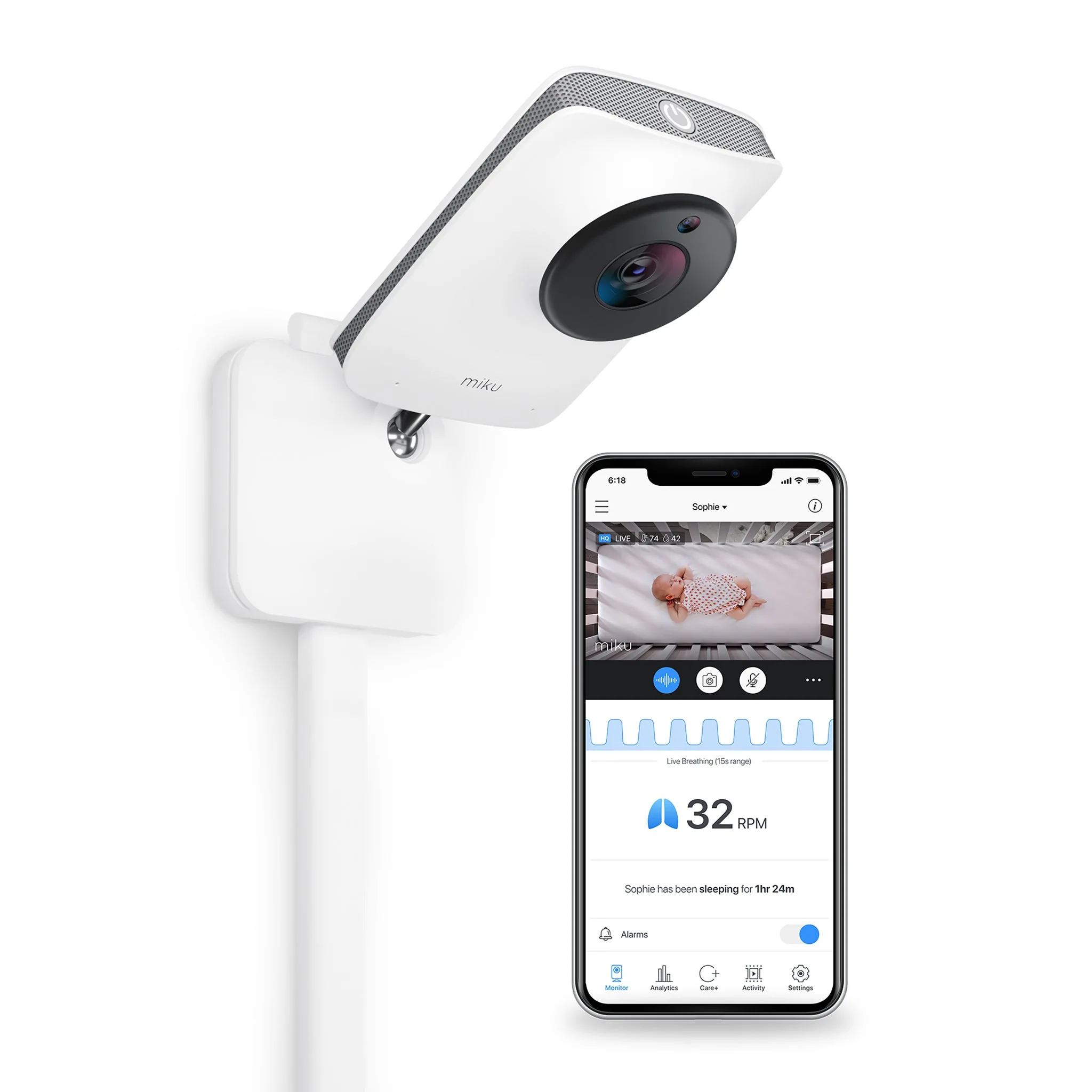
Want breathing motion with zero wearable and built-in 1080p video. Miku Pro is the contact-free radar pick. Price is high; confirm whether historical data needs a subscription.
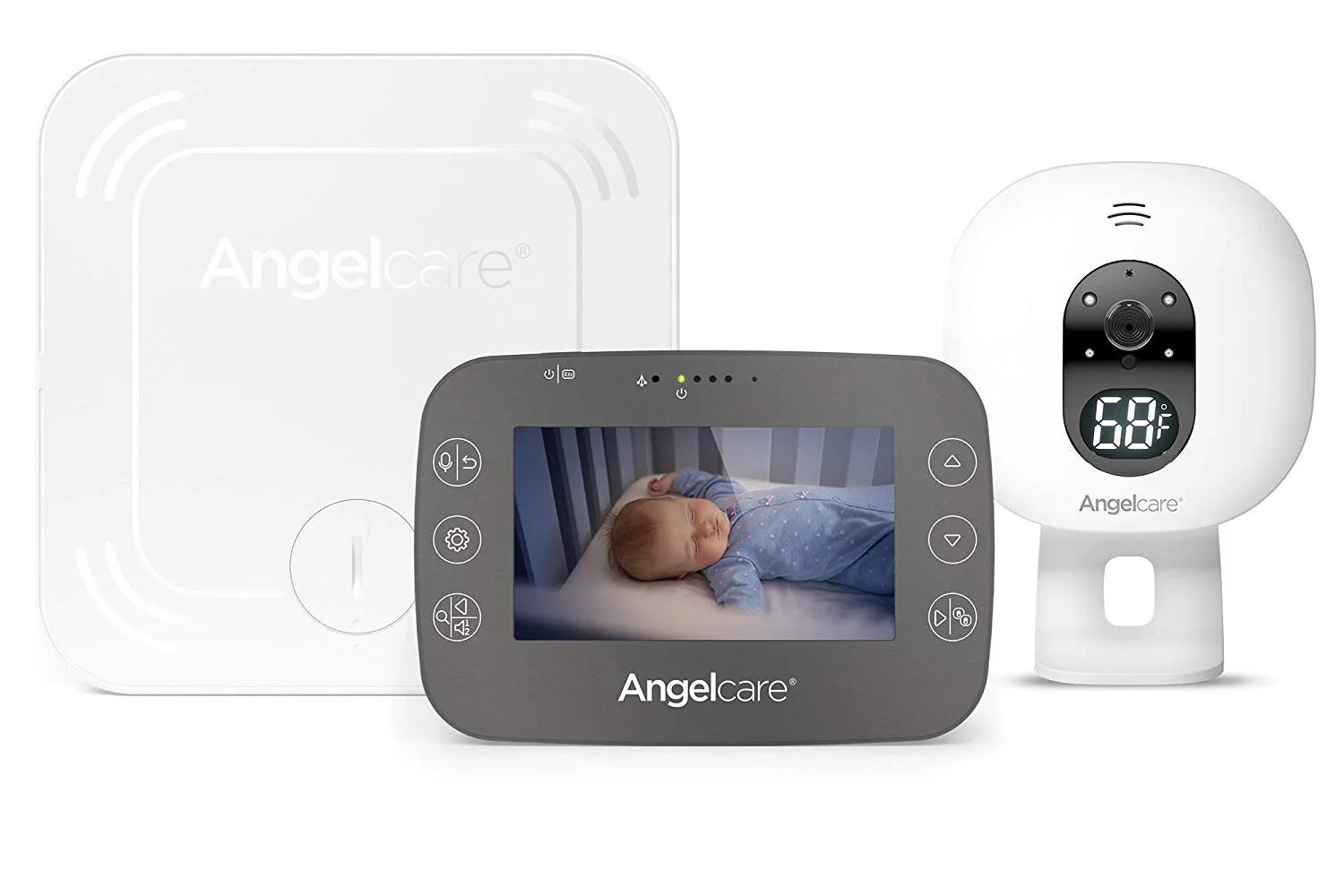
Want under-mattress movement sensing plus video/audio without depending on Wi‑Fi. Angelcare AC337 is the under-mattress path at a much lower sticker than Owlet or Miku — motion only, not SpO2.
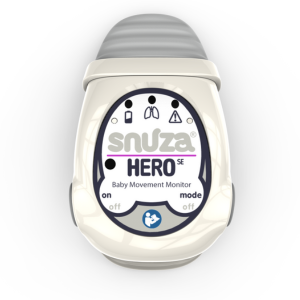
Need portable motion monitoring across cribs and travel beds with no app. Snuza Hero MD clips to the diaper and runs standalone.
Want sub-$100 wearable motion plus rollover and temperature alerts. Sense-U Baby Monitor 3 is the budget wearable card — again motion, not oxygen.
Sensible combos inside this ranking: Owlet for SpO2 nights plus a simple audio/video monitor for eyes-on; Angelcare or Snuza when you want motion without a medical-claim sock; Sense-U when budget is the constraint and expectations stay motion-only.
FAQ-minded decisions before the first night on the monitor
Print or save: your one-sentence use case; FDA database screenshot if you bought a vital-sign device; safe-sleep checklist; who responds to alarms; pediatrician after-hours number. If a sales page skips authorization language while promising oxygen numbers, pause — that is exactly the unauthorized-monitor pattern the FDA flagged on September 16, 2025.
Gadgets change. Crib rules do not. Set the sleep environment first, verify claims second, then use the shortlist — and when you are ready to compare all five picks side by side, See all 5 Best Baby Breathing Monitors ranked →.
More Picks We Love
Our full ranking, scored by our editorial team on safety, value, ease of use, and quality.
Miku Pro Baby Monitor
Radar-based breathing motion plus 1080p video when you refuse wearables and understand this is not SpO2.
Angelcare AC337
Under-mattress movement sensing with video/audio when you want a motion alarm without attaching anything to baby.
Snuza Hero MD
Diaper-clip motion monitor that travels without Wi-Fi or an app when you need multi-surface coverage.
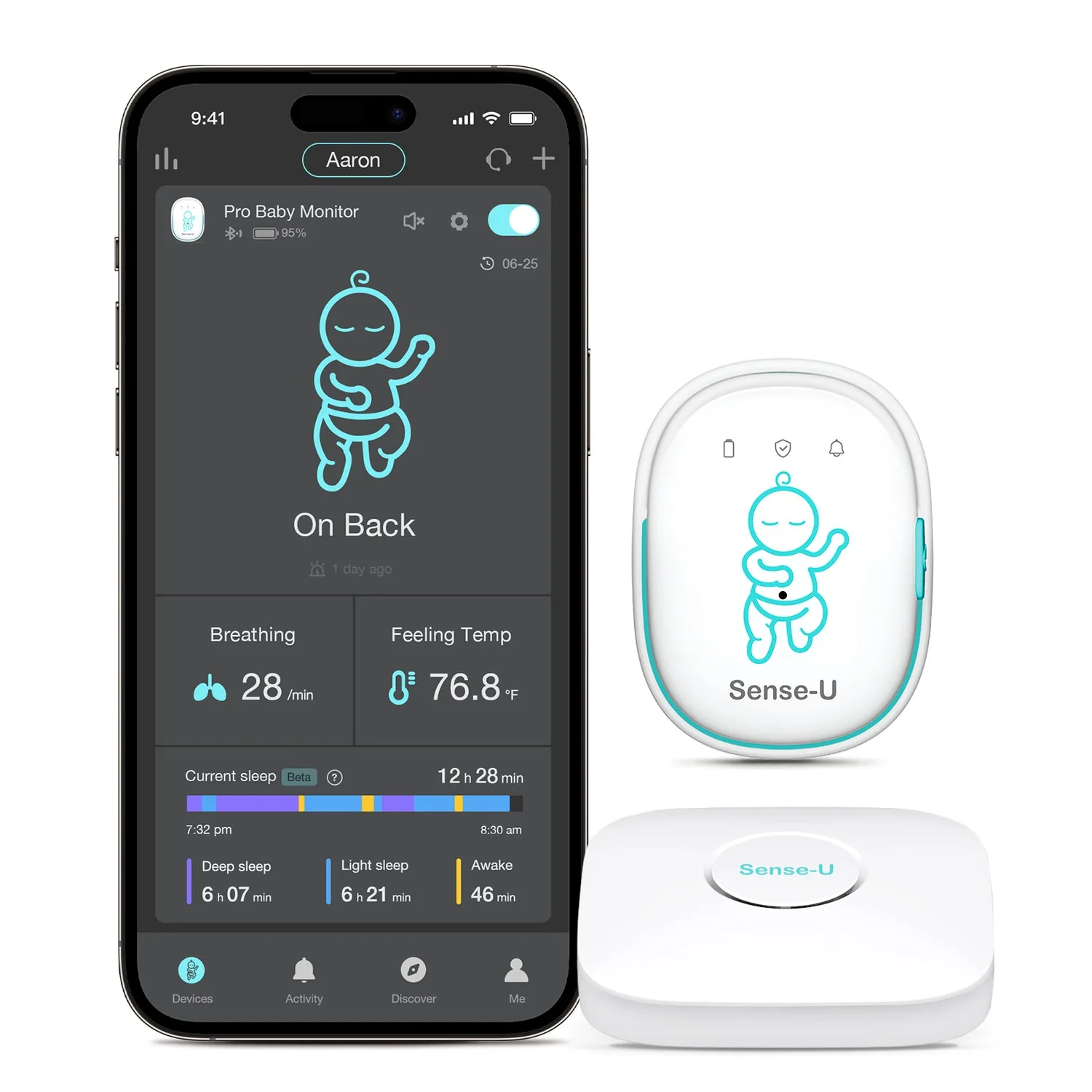
Sense-U Baby Monitor 3
Sub-$100 clip-on motion, rollover, and temperature alerts when budget is tight and expectations stay motion-only.
Frequently Asked Questions
Did the FDA ban baby breathing monitors?▾
No. On September 16, 2025, the FDA warned against unauthorized devices that claim to measure infant vital signs without marketing authorization. The agency recommends looking for FDA-authorized devices when you need that class of monitoring, and states no infant monitor is authorized to prevent SIDS or SUID.
How do I check if a vital-sign baby monitor is FDA-authorized?▾
Search the FDA De Novo and 510(k) databases by device name. For this device type, authorized products are associated with product code QYU. Owlet Dream Sock's De Novo number is DEN220091 (decision date November 8, 2023).
Does the AAP recommend home breathing monitors to prevent SIDS?▾
No. AAP safe-sleep guidance on HealthyChildren.org (updated January 8, 2026) says not to use home cardiorespiratory monitors as a strategy to reduce SIDS risk. Monitors may still be used for other reasons, but they are not a substitute for safe sleep practices.
Is a motion sensor the same as an oxygen monitor?▾
No. Under-mattress pads, radar cameras, and many clip-ons detect movement or breathing motion. Pulse-oximetry wearables aim to measure heart rate and SpO2. Mixing those categories is how unauthorized vital-sign claims confuse shoppers.
Why mention the September 2026 NAD Nanit decision if Nanit is not ranked here?▾
Because it shows how popularity, 'smartest,' and safety-adjacent marketing can overclaim. Use it as a literacy check on ads — not as a ranked product comparison on this page.
Ready to compare all options?
See every baby breathing monitors ranked by our editors — scored on safety, value, ease of use, and quality.
See all 5 Best Baby Breathing Monitors ranked →